
Vandaag of morgen in huis

Kwaliteit gegarandeerd

Welkomstaanbiedingen ontgrendelen: GRATIS bezorging | Tot 80% korting | Gratis 30 dagen JoyPlus-proefperiode
Download de app
A jacket or jumper may look appealing online, but product photos do not always tell the whole story. The most common poor purchases when buying men’s jackets and jumpers are caused by the wrong size, unclear material claims or a jacket that is not suited to the Dutch weather. A lightweight men’s outdoor jacket, for example, is comfortable during a spring walk, but does not automatically offer sufficient protection from prolonged rain. A thick men’s puffer jacket retains warmth, but may be too warm for cycling every day.
With these practical selection tips, you can compare models based on features that can be checked: material, fit, fastenings, insulation, care and intended use.
Not every jacket with a smooth outer surface is suitable for a heavy shower. Check whether the product information actually states waterproof, water-repellent or merely suitable for light rain. Also pay attention to the seams, zips and hood. A waterproof men’s jacket with untaped seams may offer less protection in practice than expected.
For technical models, a membrane or Durable Water-Repellent finish is a relevant specification. You should interpret its performance as information provided by the brand, not as a universal guarantee for every weather situation. Therefore, check the care instructions as well.
Warmth depends on more than just the filling. A men’s winter coat with synthetic insulation, fleece lining or down works differently from a thin windproof men’s jacket. If you want to wear a jacket over a men’s sweatshirt or knitted men’s jumper, you need extra room around the chest, shoulders and sleeves.
A 3-in-1 men’s jacket can be practical because the outer and inner layers can be worn separately or together. This makes such a jacket suitable for changing conditions, but do check the weight and fit of both layers.
A size M is not equally generous across every brand. Some size charts use body measurements, while others use garment measurements. So do not look only at M, L or XXL. Compare the chest measurement, sleeve length and back length with a well-fitting garment you already own.
Take extra care with international models and the sizing system used. A product may list an EU, UK, US or Japanese size, for example. For men’s clothing in sizes M, L and XXL, the official chart for the specific model should be your main reference.
For everyday use, cotton blends are comfortable, while polyester and polyamide are often used for jackets that need to be lightweight, hard-wearing or easy to care for. A men’s fleece jacket or a sweatshirt with a fleece lining feels soft and works well as an extra layer. Always check the proportion of cotton, polyester, elastane or polyamide.
The construction is important for jumpers. Ribbed cuffs and hems help the garment retain its shape. A men’s cotton jumper is comfortable for casual men’s clothing, while a synthetic layer often dries more quickly when travelling or taking part in sport.
A regular fit generally provides room for everyday movement and layering. A tailored model looks more formal, but may feel restrictive over a thick jumper. When checking a men’s parka, see whether the hood is adjustable, whether the cuffs can be closed securely and whether the pockets are practical to use with gloves.
For sporty men’s clothing, freedom of movement, a good zip and adjustable hems are often more important than a fashionable cut. When walking or cycling, zipped pockets and an adjustable hem are practical details.
A garment will retain its shape better when you wash it according to the care label. Many jackets should not be tumble-dried. With technical outer layers, incorrect washing can affect the water-repellent finish. Cotton-blend jumpers generally need less specialist care, but shrinkage and colour loss are still worth considering.
Check the following before buying:
Under EU consumer rules, new products come with a legal guarantee of at least two years. This does not cover normal wear and tear or damage caused by incorrect care.
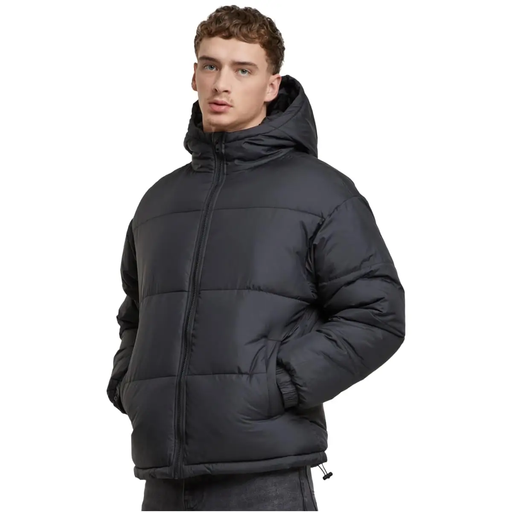
Why it suits this profile: A straightforward men’s winter coat for everyday use, commuting and cold days in the city. The hood and synthetic filling are practical without the need for a complicated layering system.
The product information lists the outer layer, polyester filling and lining separately. This allows you to assess warmth and care requirements more precisely than by relying on the term “winter coat” alone.
Polyamide outer material, polyester filling, hood and sizes from S to XXL. The model is washable according to the stated instructions.

Why it suits this profile: For anyone looking for one system for travelling, walking and changeable weather conditions. According to the product description, the outer and inner layers can be worn separately or combined.
The specifications mention a 3-in-1 construction, taped seams, an adjustable hood and GORE-TEX outer material. Before buying, do check the current sizing and care information.
Two layers, 550 fill power down according to the product information, hand-warmer pockets and underarm zips for ventilation.
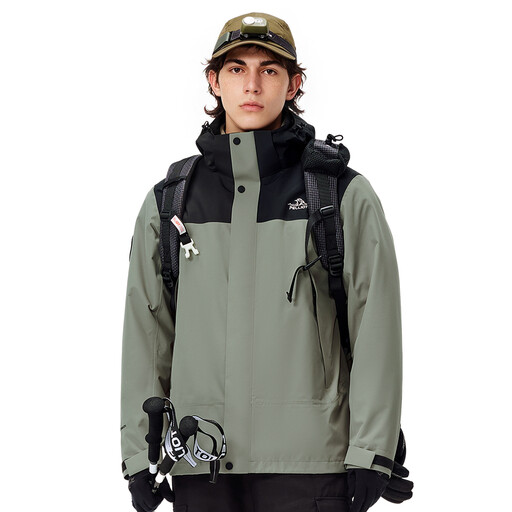
Why it suits this profile: Designed for camping, travelling, walking and everyday commuting where multiple layers are useful. The model has a separate outer layer and thermal inner layer.
According to the product information, the jacket offers three ways to wear it: outer layer, inner layer or combined. The size chart also lists separate measurements for each layer.
Sealed seams according to the product description, hood, scratch-resistant outer layer and size L with separate inner and outer measurements.
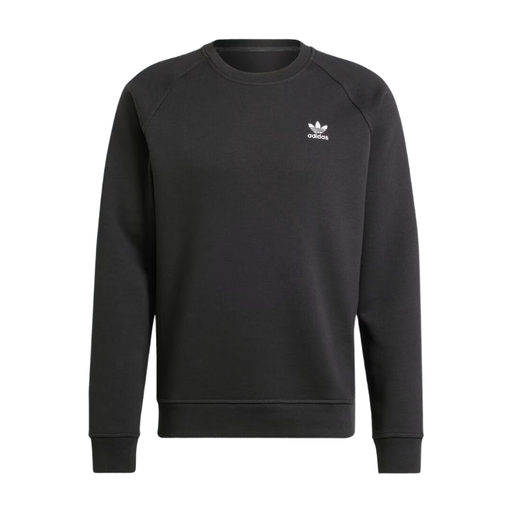
Why it suits this profile: A versatile men’s sweatshirt for relaxing at home, travelling or an informal occasion. The regular fit works well as a standalone layer or under a men’s jacket.
The composition is clearly specified as 70% cotton and 30% recycled polyester. The size chart also lists the chest width and several international sizes.
Fleece construction, regular fit, ribbed cuffs and a proportion of recycled polyester according to the product information.
We have put together a complete, up-to-date list of products that fully meet these strict selection criteria and the applicable European safety regulations.
Look for the explicit product claim: waterproof, water-repellent or windproof. Also check whether the seams are finished, whether the zip is protected and whether the hood is adjustable. A men’s outdoor jacket for light rain is not automatically suitable for prolonged rainfall.
Measure your chest at the fullest point and compare it with the size chart for the specific product. If you often wear a thick knitted men’s jumper or men’s hoodie under your jacket, allow for extra room to move. Also check the sleeve and back length, particularly for L and XXL.
Its lifespan depends on the material, how often it is used and how it is cared for. Wash it according to the care label, avoid excessively high temperatures and store a jacket somewhere dry without compressing it. For technical jackets, check whether the water-repellent finish can be renewed. This helps prevent a functional garment from becoming less comfortable to use sooner than necessary.
