
Vandaag of morgen in huis

Kwaliteit gegarandeerd

Welkomstaanbiedingen ontgrendelen: GRATIS bezorging | Tot 80% korting | Gratis 30 dagen JoyPlus-proefperiode
Download de app
A jacket may look versatile in a product photo, but when you’re choosing one for Dutch weather, the main things to consider are its material, fit and intended use. If you focus only on the brand name or discount, you could end up with a jacket that’s too warm for cycling, doesn’t offer enough protection from the rain or leaves little room for a jumper.
In this guide, the Joybuy Product Recommendation Officer helps you compare men’s jackets based on verifiable features. Find the right style for commuting, sport, outdoor activities or cold winter days without being swayed by exaggerated marketing claims.
A waterproof men’s jacket needs to offer more than a smooth outer fabric. Check whether the product information mentions a waterproof outer layer, taped seams or a membrane. A water-repellent coating may make rain bead off for a while, but that doesn’t automatically mean the jacket is suitable for prolonged downpours.
Pay attention to the zips, hood and cuffs too, as water can still get in around these areas. Adjustable cuffs and a drawcord at the hem are practical features to look for in a men’s outdoor jacket.
A thick men’s puffer jacket isn’t always suitable for active use. A generous amount of padding can keep you warm, but the jacket may quickly feel too hot when you’re cycling or walking. So check the type of insulation and lining:
Sizes vary between brands and styles. Check the chest measurement, sleeve length and room for layers. A jacket for commuting can allow a little extra room to move, while a men’s sports jacket often has a closer fit. Also check the back length and pocket positions if you’ll be wearing the jacket on your bike or out walking.
A men’s windproof jacket will usually have a closed front, adjustable cuffs and a high collar or hood. Taped seams and a water-repellent coating are also relevant features in technical styles. Always check whether the information comes from the product specifications or is simply a brand claim.
According to its own product information, The North Face NF0A8DY2 model uses DryVent fabric, sealed seams and a PFC-free DWR finish. These are specific features to include in your comparison. The level of protection also depends on care, wear and how long you’re exposed to the rain.
For the Pelliot 3-in-1 jacket, the manufacturer states a hydrostatic head of 35.900 mm and breathability of 16.000 g/m²/24 hours. Treat these figures as the brand’s stated product specifications and compare them with the conditions you plan to wear the jacket in.
When choosing a men’s winter jacket, insulation, lining and length matter more than appearance alone. A men’s parka often offers extra coverage around the hips and thighs. A puffer jacket is usually lighter, but can be bulkier.
A men’s fleece-lined jacket is suitable for chilly days and as a mid-layer. A men’s 3-in-1 jacket is practical for changeable weather: the outer layer protects you from wind and rain, while the inner layer can be worn separately. Check that both layers fit together well and that there’s enough room when you wear them together.
Polyester and polyamide are common materials in outdoor jackets. Elastane can offer extra freedom of movement. Look beyond the fabric composition and check the care instructions too. Fasten zips and hook-and-loop fastenings before washing, use the recommended cycle and avoid tumble drying if the care label says so.
A water-repellent finish can become less effective over time. Some brands recommend reproofing the jacket with a specialist treatment, according to their own care instructions. This is care advice, not a guarantee that the jacket will keep you dry in all conditions.
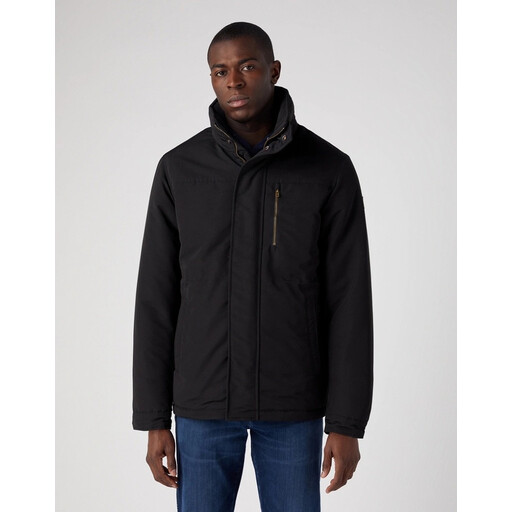
Why it suits this profile: This Wrangler jacket is designed for everyday wear and cold conditions. The hood, high collar and multiple pockets are practical for errands, commuting and casual outfits.
The product information mentions an insulated construction, a weather-resistant outer layer and a high collar. This makes it clearer what the jacket is designed for than a style with only general claims about warmth.
Polyester outer fabric, lining and filling; integrated hood; multiple pockets; suitable for layering.

Why it suits this profile: The Triclimate design is a good choice if you want one system for changing conditions. According to the product description, the outer and inner layers can be worn separately or together.
The construction makes it clear which layers are included. The description mentions features including an adjustable hood, taped seams, ventilation zips and an inner jacket filled with 550 fill power down, according to The North Face’s own product specifications.
Two wearable layers; adjustable cuffs and hem; handwarmer pockets and an inside pocket; suitable for changeable outdoor weather.
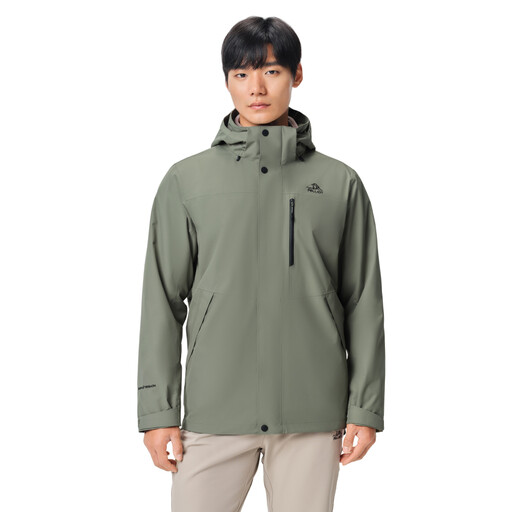
Why it suits this profile: According to the product information, this jacket is designed for camping, trekking and everyday commuting. Its combination of an outer layer and fleece-like inner layer is a good fit if you’re looking for flexibility and protection.
The manufacturer gives specific figures for hydrostatic head, breathability and abrasion resistance. When buying, check that these specifications suit your intended use and follow the care instructions.
Three ways to wear it; adjustable hood, hem and cuffs; fleece lining; hydrostatic head of 35.900 mm, as stated by the manufacturer.
We’ve put together a complete, up-to-date list of products that meet these strict selection criteria and the applicable European safety regulations.
For cold days, the Joma Iceland III Black Men's Parka Jacket M could be a good option. The product information mentions an insulated construction, fleece lining, adjustable hood and waterproof outer layer. For a lightweight jacket for spring and sport, the The North Face NF0A8EJC features a windproof design, fleece back and chest and hand pockets.
If you’re looking for a smarter style, take a look at the Joma Doha Royal Jacket or the Doha Navy Jacket. According to the description, these styles are lightweight and have a classic cut, but they aren’t designed to replace a waterproof men’s jacket in prolonged rain.
Choose a style with wind protection, adjustable cuffs, a hood and enough room to move. For rain, sealed seams and a specified waterproof outer layer are more useful than the word “outdoor” alone. A longer parka can offer extra coverage, while a lighter shell may feel more comfortable when you’re active.
Its lifespan depends on how often you wear it, friction, washing and storage. Zips, seams and the water-repellent finish are often the first things to check. Follow the care label, fasten all closures and store the jacket somewhere dry. A jacket with a durable outer fabric may stay looking good for longer, but brand claims about materials don’t guarantee a specific lifespan.
A puffer jacket usually has a quilted construction with insulating sections and is often relatively lightweight. A parka is generally longer and provides more coverage around your lower body. A puffer jacket may be enough for short journeys around town; a parka can be more practical if you’ll be sitting still, facing cold winds or spending longer outdoors.
