
Vandaag of morgen in huis

Kwaliteit gegarandeerd

Welkomstaanbiedingen ontgrendelen: GRATIS bezorging | Tot 80% korting | Gratis 30 dagen JoyPlus-proefperiode
Download de app
A jacket may look warm, waterproof and versatile in the product photo, yet disappoint in practice. When choosing men’s jackets, many buyers focus mainly on colour, brand and price. It is often the less noticeable details that determine whether a jacket is suitable for a wet Dutch autumn, everyday cycling or a demanding walk.
A water-repellent finish helps protect against light rain, but it does not automatically mean that a jacket will keep out prolonged rainfall. Check whether the description mentions a membrane, taped seams or a hydrostatic head rating. Without this information, “waterproof” remains a broad marketing term.
Also pay attention to the zips, hood and cuffs. Water can enter through seams or openings, even when the outer fabric itself absorbs very little moisture.
A thick men’s puffer jacket is not always suitable for active use. When cycling, walking or trekking, a jacket can quickly become too warm. A lightweight outer layer with a fleece lining or a removable inner jacket can sometimes offer greater flexibility.
With a men’s winter coat, check the filling, lining, cuffs and length, among other things. An adjustable hood and a closed waist help reduce draughts, but the warmth you ultimately experience also depends on the fit and your base layers.
Sizes vary by brand and model. A men’s size M jacket from a sports brand may fit differently from a size M men’s jacket with a roomy outdoor fit. Measure your chest, shoulder width and arm length, then compare these measurements with the size chart.
Planning to wear a fleece or thick jumper underneath? Allow extra room for movement. If you are unsure between a men’s size L jacket and size XL, focus mainly on the layers you want to wear and the exact measurements, rather than just the label.
Hydrostatic head is measured in millimetres. A higher value indicates greater resistance to water pressure, but performance also depends on seams, zips, wear and maintenance. For example, the product information for PELLIOT fleece-lined models lists a hydrostatic head of 35.900 mm H₂O and taped seams. These are product specifications taken from the product description; they do not guarantee performance in every weather condition.
A breathable men’s jacket allows moist air to escape from the inside to the outside. The MVTR value is often shown in grams per square metre per 24 hours. A higher value may be relevant during intense activity, but ventilation zips and suitable base layers remain important.
According to the product information, the PELLIOT 3-in-1 fleece-lined jacket has an MVTR of 16.000 g/m²/24 hours. The manufacturer links this to moisture transport during activity. Treat this as a stated technical value, not as a guaranteed result for every user.
A jacket with a hood, adjustable cuffs and an adjustable hem provides a better fit for changing weather. For commuting, a short men’s windbreaker may be sufficient. For camping or mountain walks, a hardshell or men’s 3-in-1 jacket is more practical.
Care affects the jacket’s lifespan. Close the zips before washing, use the programme shown on the care label and avoid fabric softener if the manufacturer advises against it. Some models must not be tumble-dried or may only be dried at a low temperature.
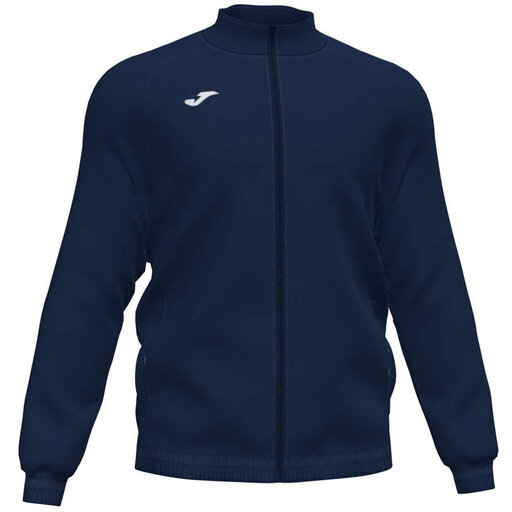
Why it suits this profile: This navy jacket has a regular fit, zip fastening and lightweight material. According to the product information, it is designed for both formal and casual occasions, making it suitable for everyday use without a distinctly outdoor look.
The product details specify the material, size M, fit and care instructions. This makes it easier to compare than relying solely on a general style claim.
Navy colour, regular fit, zip fastening and a composition of 95% polyester and 5% elastane, according to the product details.

Why it suits this profile: According to the product description, the Triclimate 3-in-1 construction consists of an outer layer and a down inner jacket, which can be worn separately or together.
You do not have to rely on one fixed thickness in changeable weather. According to the product information, the two layers can be adapted to suit the conditions.
GORE-TEX outer material according to the product details, taped seams, underarm zips, adjustable hood and 550 fill power down.
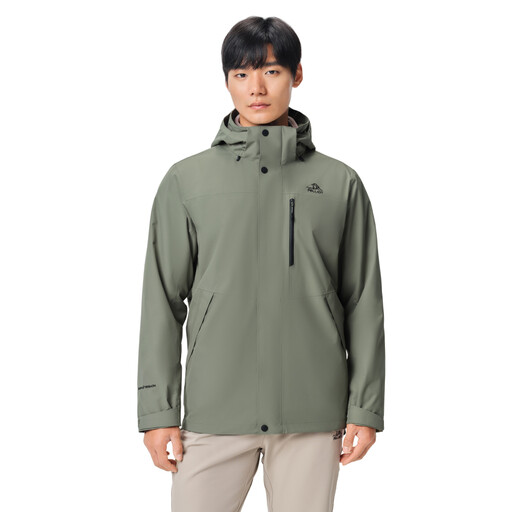
Why it suits this profile: This fleece-lined 3-in-1 jacket is designed for camping, trekking and everyday commuting. According to the product description, the outer layer and liner can be worn separately or together.
The product information lists specific values for hydrostatic head, breathability and abrasion resistance. This allows you to compare the jacket more effectively for intensive use.
According to the product description, a 35.900 mm H₂O hydrostatic head, 16.000 g/m²/24 hours MVTR and a removable thermal liner.
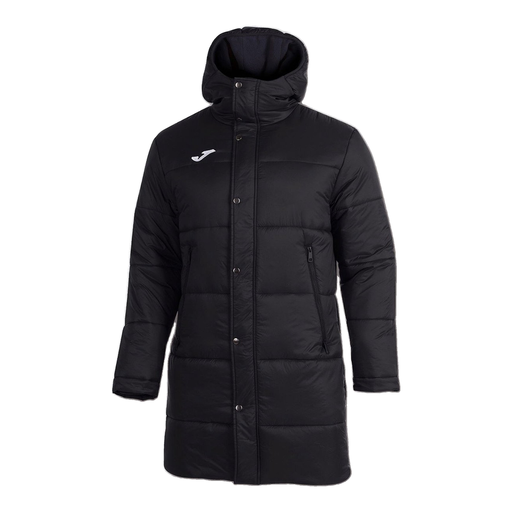
Why it suits this profile: This men’s parka is designed for cold conditions and everyday use. The black colour, fleece lining, hood and multiple pockets make it suitable for commuting and outdoor activities.
The description mentions a lined construction, adjustable cuffs and hood. Always check the care label and current product information for the level of protection you require.
Fleece lining, adjustable hood and cuffs, multiple pockets and a nylon outer material according to the product details.
We have compiled a complete, up-to-date list of products that fully meet these strict selection criteria and the applicable European safety regulations.
Look for a hardshell or waterproof men’s jacket with a stated hydrostatic head rating, taped seams and adjustable fastenings. For everyday use, a jacket with a hood and windproof construction may be sufficient. For intensive walks, breathability and ventilation zips are more important than a thick lining alone.
That depends on the insulation, fit and combination of layers. A men’s 3-in-1 jacket can be practical because you can wear the outer layer, inner layer or both. Assess the temperature rating critically and combine the jacket with suitable thermal clothing when you will be outdoors for longer periods.
Its lifespan depends on use, materials, seams and care. A jacket worn every day and washed frequently will wear out faster than one used occasionally. Follow the care label, close the zips before washing and store the jacket somewhere dry. Also check the outer layer, cuffs and zips regularly for signs of wear.
