
Vandaag of morgen in huis

Kwaliteit gegarandeerd

Welkomstaanbiedingen ontgrendelen: GRATIS bezorging | Tot 80% korting | Gratis 30 dagen JoyPlus-proefperiode
Download de app
A jacket needs to do more than look good in the Netherlands. Rain, wind, cycling to work and changeable temperatures all call for a considered choice. When comparing men’s jackets online, however, you’ll often see terms such as “waterproof”, “warm” and “breathable” without a clear explanation of what they actually mean.
The following points will help you assess marketing claims and choose a men’s jacket that suits the way you’ll use it.
A coating that repels light rain for a while isn’t necessarily suitable for a long bike ride in a downpour. So, take a look at how the jacket is constructed:
When a brand describes a jacket as “waterproof”, check whether the product page includes technical details. For example, the supplied description of the The North Face NF0A8DY2 mentions a DryVent outer layer with sealed seams. That’s more specific than simply calling it “weatherproof”. The function and performance are based on the brand’s product information and shouldn’t be taken as a guarantee for every weather condition.
A thick puffer jacket or men’s winter coat can be comfortable when you’re standing still, but may feel too warm on a bike or during a walk. Consider the difference between:
A men’s 3-in-1 jacket often offers more ways to combine layers, as the outer shell and inner jacket can be worn separately or together. That doesn’t automatically mean every 3-in-1 jacket is suitable for every season, so always check the materials and insulation used.
A jacket might seem the right length but feel too tight across the shoulders or chest. If possible, measure:
The size chart for the The North Face NF0A8DY2 lists chest, hip and arm measurements for different sizes. Use measurements like these rather than relying on S, M, L or XL alone.
Polyester is lightweight and widely used in sportswear and technical jackets. Polyamide is known for its durability, while elastane can provide extra freedom of movement. A product made from 100% polyester isn’t automatically warmer or stronger than a jacket made from a polyester and elastane blend.
Check the care instructions too. Some jackets shouldn’t be tumble dried, while a water-repellent finish can sometimes be reactivated, according to the product information. Always follow the care label for the specific garment.
For everyday wear, the following features can make all the difference:
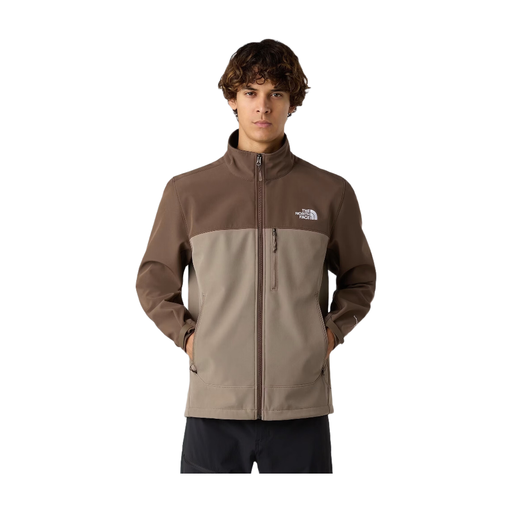
Why it suits this profile: This men’s windbreaker is designed for everyday wear and milder days outdoors. The description mentions a fleece backing, adjustable cuffs and a drawcord hem.
The product information gives specific details such as zipped pockets, a fleece lining and an adjustable hem, rather than making only general claims about warmth.
93% polyester and 7% elastane; machine washable up to 40 °C according to the product information; designed for a comfortable fit.

Why it suits this profile: If you’re looking for one system for changeable weather, you can wear the outer shell and down inner jacket separately or together. The product page describes it as a Triclimate 3-in-1 system.
The two layers let you adjust the insulation. Just check that the fit remains comfortable when both layers are worn together.
550 fill power down according to the product information; hood, adjustable cuffs, underarm zips and taped outer seams.

Why it suits this profile: According to the product description, this men’s outdoor jacket is designed for running and training. It has a hood, chest and hand pockets, and a regular fit.
The description specifies the DryVent fabric, sealed seams and a Non-PFC DWR finish. According to The North Face’s own product information, these features are designed to provide protection outdoors.
100% recycled polyester according to the product information; sizes XS to 3XL; zipped pockets and elasticated cuffs.
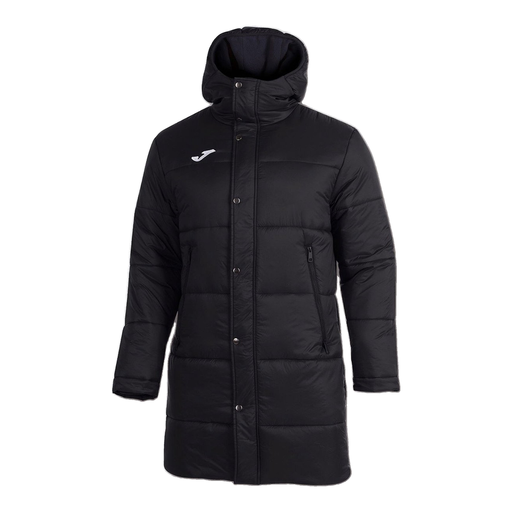
Why it suits this profile: This Joma men’s jacket is designed for cold, everyday conditions. According to the product description, it combines a padded construction with a hood, fleece lining and multiple pockets.
The product details cover more than just warmth: they also mention adjustable cuffs, an inside pocket and an outer layer described as water-resistant.
Regular fit; 100% nylon according to the product details; double zipped pockets and an extra inside pocket with a hook-and-loop fastening.
We’ve put together a full, up-to-date list of products that meet these strict selection criteria and the applicable European safety regulations.
Its lifespan depends on the material, how often you wear it, how you care for it and the conditions you use it in. A jacket worn every day for cycling or outdoor work will wear out faster than a smart jacket worn occasionally. Zips, cuffs and the hem are often the first parts that need attention. Wash the jacket according to the care label and store it completely dry.
Look for a jacket with a protective hood, secure cuffs, an adjustable hem and information about sealed seams. A men’s waterproof jacket is especially useful if you’ll be outside for a long time. For short journeys, a windbreaker with a water-repellent finish may be enough, depending on the rainfall and what you’re wearing underneath.
Not necessarily. Compare the price with the features you’ll actually use, such as insulation, pockets, care requirements and rain protection. A technical 3-in-1 jacket could be a good choice if you want to wear its layers separately. For commuting in mild conditions, a simpler windbreaker may be more practical. So, start by thinking about how you’ll use it, then compare brands, including The North Face men’s jackets, Joma men’s jackets and other available styles.
