
Vandaag of morgen in huis

Kwaliteit gegarandeerd

Welkomstaanbiedingen ontgrendelen: GRATIS bezorging | Tot 80% korting | Gratis 30 dagen JoyPlus-proefperiode
Download de app
Buying a jacket seems straightforward, until you have to choose between a waterproof men's jacket, a men's winter coat, an outdoor jacket or a sports jacket. Marketing copy often emphasises terms such as “all-weather”, “technical” or “extra warm”, while important details about fit, seams and care are less clearly stated.
Use this practical guide to compare men's jackets by the features that really matter in the Netherlands: protection from rain and wind, warmth, freedom of movement, material, size and intended use.
A coating can temporarily repel light rain. That does not always mean a jacket will stand up to a prolonged downpour. Check whether the product description specifically mentions waterproofing, a membrane, welded or taped seams, and a fastening that keeps the rain out.
For a laminated jacket, such as some PELLIOT models, it is also important to check the stated breathability and care instructions. A jacket may protect you from rain, but ventilation can be just as important when you’re moving around a lot.
A men's puffer jacket with polyester filling may be suitable for cold days, but thickness alone tells you little about comfort. Look at the combination of insulation, lining, cuffs, hood and length. For example, a short jacket with open sleeves lets in wind more easily than a style with elasticated cuffs.
A men's parka often provides more coverage around the upper body and hips. This can be useful for cycling, walking or waiting for public transport.
A jacket that’s too tight restricts your movement and leaves little room for a jumper. One that’s too loose may not fit as well around the wrists and waist. Don’t just look at S, M or L: check the chest measurement, sleeve length and how much room you want for layering.
This is particularly important with a unisex outdoor jacket or a protective motorcycle jacket. According to the product description, a protective jacket should fit closely, while a regular outdoor jacket can sometimes have a roomier fit.
Look for specific information about the outer material, fastening and hood. A windproof jacket usually has a tightly woven outer layer, adjustable cuffs or a drawcord. If the jacket has a hood, its fit and adjustability matter: a loose hood can be less practical when cycling or walking.
Pay attention to the wording, too. “Protection from light rain” is a more limited claim than “waterproof”. Don’t automatically assume that a brand’s claim guarantees a particular result. According to the brand’s product description, a men's The North Face jacket with DryVent material and sealed seams may offer protection from rain; check the exact specifications and care instructions on the product page.
Polyester, nylon, polyamide and elastane each have different properties. Polyester is common in sports and outdoor jackets and is generally easy to care for. Nylon and polyamide are often used for a lightweight, durable outer layer. Elastane can provide extra freedom of movement.
Always check the care label before buying. Some jackets must not be tumble dried, while others can only be hand washed. Incorrect washing can affect the original performance of a water-repellent coating. Don’t use fabric softener if the product information advises against it.
For commuting, a jacket with zipped pockets and a hood is practical. For running or training, low weight and plenty of freedom of movement matter. For motorcycling, CE marking, protectors and the right size are important. Always check which safety standard is actually shown on the product label for protective motorcycle clothing; general terms such as “shock-absorbing” are no substitute for checking the safety information.
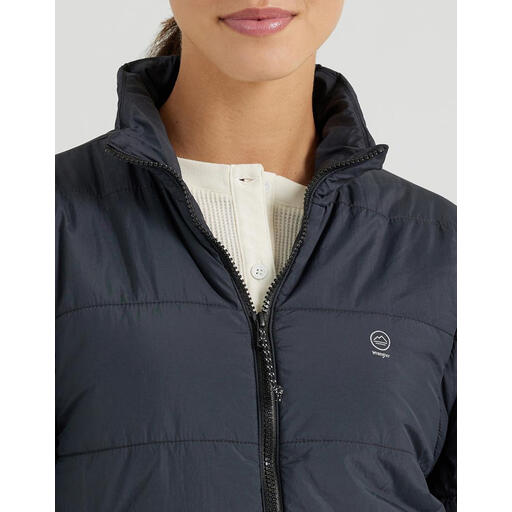
Why it suits this profile: The product description lists a hood, long sleeves and polyester as the main material. This makes it a practical option for everyday wear and light outdoor activities.
The product information distinguishes between protection from wind and light rain. So don’t assume it’s fully waterproof unless further specifications confirm this.
Hood, long sleeves and polyester outer fabric; suitable for layering in different seasons.

Why it suits this profile: According to the product description, this style is designed for training and outdoor activities. It has a regular fit, a hood and several zipped pockets.
The description lists sealed seams, DryVent fabric and a DWR finish. Be sure to check the care instructions, as washing and drying can affect the coating.
Made from 100% recycled polyester according to the product information; hood, chest pocket and zipped hand pockets.
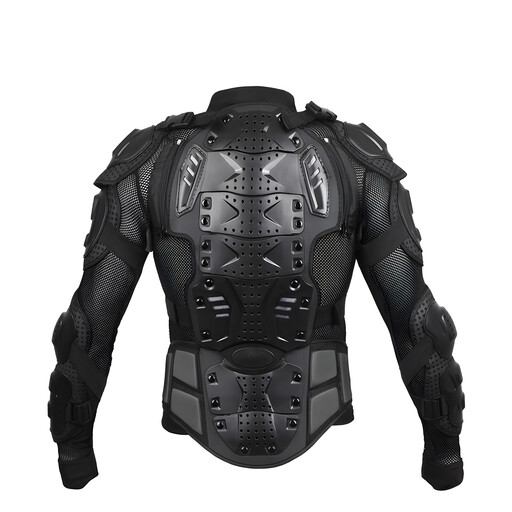
Why it suits this profile: According to the product description, this unisex protective jacket is designed for off-road motorcycling, cycling and other activities where protection and freedom of movement are important.
The jacket should fit closely, and the adjustable straps need to be set correctly. Before use, check all the protectors for damage and verify the safety certification separately.
Adjustable shoulder and waist straps; removable protective panels and mesh material according to the product information.
We’ve put together a complete, up-to-date list of products that meet these strict selection criteria and current European safety requirements.
Look for an explicit statement that the jacket is waterproof, and check the seam construction, hood and zips. “Water-repellent” is a more limited claim than “waterproof”. Use the product information as your guide and check the care instructions, too.
Its lifespan depends on the material, how often you wear it, how you wash it and how you store it. A jacket worn every day for cycling or outdoor work will wear out faster than one used occasionally. Check the zips, seams, cuffs and outer layer regularly.
Not necessarily. Compare the specifications with how you plan to use it. You may not need a fully technical jacket for a short walk, while a good hood, zipped pockets and protection from water could matter more than the brand for commuting in the rain.
