
Vandaag of morgen in huis

Kwaliteit gegarandeerd

Welkomstaanbiedingen ontgrendelen: GRATIS bezorging | Tot 80% korting | Gratis 30 dagen JoyPlus-proefperiode
Download de app
A men's jacket in the Netherlands often needs to cope with several conditions: rain while cycling, wind during walks and cold mornings on the way to work. However, an eye-catching product description is no guarantee that a jacket will suit the way you use it. If you focus only on the brand, colour or a claim such as “all weather”, you could end up with a jacket that is too warm for exercise, offers insufficient protection from rain or does not fit comfortably over a jumper.
In this buying guide from the Joybuy Product Recommendation Officer, we cover the key points to check, along with some popular choices for different user profiles.
A waterproof men's jacket sounds suitable for prolonged rain, but check exactly what is specified. Look out for:
A DWR treatment helps water bead off the surface, but it is not the same as a fully waterproof membrane. According to the product description, the The North Face NF0A8DY2 uses seam-sealed DryVent fabric and a non-PFC DWR finish. The PELLIOT hardshell is described as having waterproof and wind-resistant fabric with breathable properties. Always check the current product specifications before ordering.
A thick men's winter jacket can feel comfortable when standing still, but while cycling, walking or training, a padded jacket can quickly feel too warm. A men's outdoor jacket with a lightweight shell is more versatile in these situations, especially when worn over a fleece or insulating layer.
So do not just look at the filling. Also check for:
Sizes vary between brands and models. A jacket that fits well at the shoulders can still be too tight around the chest or in the sleeves. Measure your chest and compare it with the size chart. Allow space for an extra layer when buying a men's walking jacket or hardshell jacket for outdoor activities.
Also check the back length. A shorter model is practical for movement and everyday commuting, while a longer men's parka offers more coverage in cold and wet weather.
For rainy bike rides and walks, a high collar, a men's jacket with a hood, adjustable cuffs and a covered zip are practical features. With a hardshell jacket, the focus is on protection from rain and wind. These jackets generally provide little insulation, so you control the warmth yourself through layering.
A windproof jacket without insulation is suitable for milder days or active use. Check whether the hood is adjustable and whether it restricts your vision when you look over your shoulder.
A padded men's jacket with polyester filling is designed for warmth and everyday use. According to the product information, the Urban Classics Basic Puffer Jacket has an outer layer made from 100% polyamide, polyester filling and a polyester lining. This makes this type of jacket an interesting choice for cold days in the city, although the available information does not specify a hydrostatic head rating.
According to the product description, the Joma Iceland III parka has an insulated construction, fleece lining and a waterproof outer layer. The jacket also features a hood, adjustable cuffs and several pockets.
A breathable jacket is particularly useful for walking, camping and training. Do not rely only on the word “breathable”; look for specific information about ventilation, lining or the membrane. The PELLIOT jackets mention moisture management and a breathable construction in their product descriptions. These are brand or supplier claims; practical performance may vary depending on the activity, clothing layers and weather conditions.
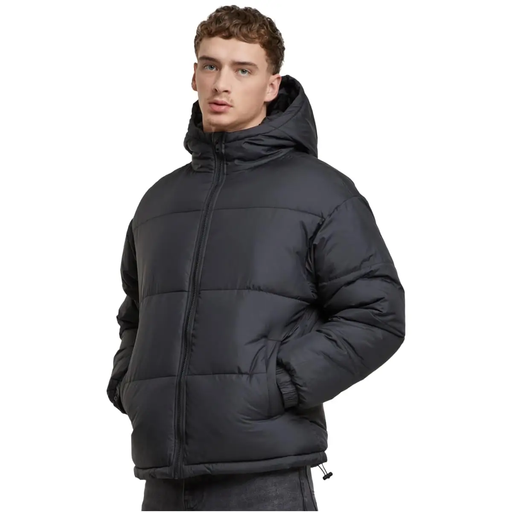
Why it suits this profile: A practical choice for everyday use in the city, such as commuting and cold days when warmth matters more than technical walking performance.
The product information clearly states the composition of the outer layer, filling and lining. No specific waterproof rating is provided, so you should not automatically treat this jacket as a rain jacket.
Polyester filling, polyamide outer layer, hood and care according to machine-washing instructions.

Why it suits this profile: Suitable for anyone who wants one system for changing conditions and values layers that can be worn separately.
The 3-in-1 design means you do not need a separate jacket for every type of weather. According to the product information, the outer layer and insulated inner jacket can be worn separately or together.
DryVent outer layer according to the product description, 550-fill-power down insulation, taped seams and underarm ventilation zips.
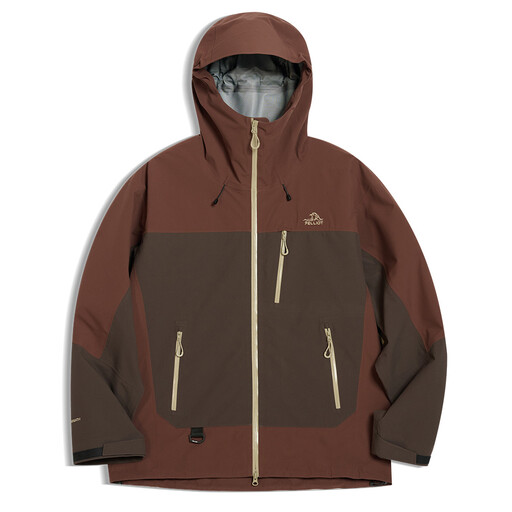
Why it suits this profile: Designed for camping, walking and travel, when you need a lightweight protective layer against rain and wind.
The product description mentions a waterproof, wind-resistant and abrasion-resistant construction. As no insulating filling is specified, you can combine the jacket with suitable mid-layers.
A stated chest measurement of 127 cm in size L, machine washing on a cold cycle and a design suitable for layering according to the sizing information.
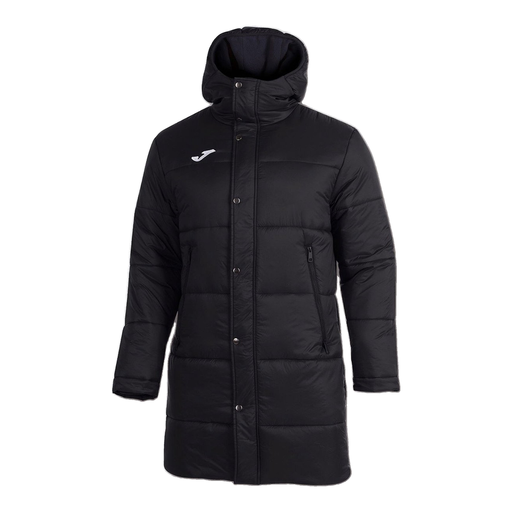
Why it suits this profile: A parka silhouette for everyday use, outdoor activities and cold urban conditions where pocket space and coverage matter.
The product information mentions not only insulation but also a waterproof outer layer, fleece lining and adjustable features. However, check the label and fit before ordering.
100% nylon according to the product specification, several pockets, hood, adjustable cuffs and a regular fit.
We have put together a complete, up-to-date list of products that fully meet these strict selection criteria and the applicable European safety regulations.
A jacket stays useful for longer when you match its care routine to the material. Fasten zips and hook-and-loop closures before washing, and use the programme and temperature specified on the care label. With technical fabrics, do not use fabric softener if the manufacturer advises against it. A water-repellent finish can wear off through washing and use, so follow the brand's instructions for reproofing where necessary.
After purchase, check that:
Choose a jacket with a waterproof or clearly described water-repellent outer layer, an adjustable hood, a covered zip and enough room for movement. For intensive cycling, breathability and ventilation options are more important than a thick lining alone.
This depends on use, materials, washing and exposure to rain and friction. A jacket worn for daily commuting experiences more stress around the shoulders, cuffs and zips than one worn occasionally. Washing it correctly and reproofing a water-repellent layer in good time can help extend its usable life, but neither is a guarantee.
It can be suitable for gentle walks in cold conditions. For brisk walking, a padded jacket may become too warm. In that case, choose a layering system with a breathable jacket or hardshell as the outer layer, and add insulation when the temperature drops.
