
Vandaag of morgen in huis

Kwaliteit gegarandeerd

Welkomstaanbiedingen ontgrendelen: GRATIS bezorging | Tot 80% korting | Gratis 30 dagen JoyPlus-proefperiode
Download de app
In the Netherlands, a men’s jacket often needs to handle several different situations. You might wear it while cycling to work, walking through the dunes or even on a camping trip. Yet not every jacket described as waterproof, breathable or 3-in-1 is suitable for all of these scenarios.
The biggest pitfalls are usually not related to appearance, but to details you only notice once you start wearing the jacket.
A coating that makes light rain bead off may be sufficient for a short errand. In prolonged rain, however, the seams, zips and hood are also important. Check whether the product description mentions taped or sealed seams and whether a hydrostatic head rating is provided.
A thick fleece lining or insulation layer retains heat, but can feel stuffy during a strenuous walk or cycle ride. When choosing an outdoor jacket for men, also consider its breathability. Breathable fabric does not automatically prevent perspiration, but it can help transport moisture during exercise.
A men’s jacket should leave room for a jumper or mid-layer, but too much space can let in wind and restrict your freedom of movement. Pay attention to chest width, sleeve length and adjustable cuffs. Always use the size chart for the specific model; an L from one brand is not automatically the same as an L from another.
The hydrostatic head is usually expressed in millimetres of water pressure. A higher figure indicates greater resistance to water pressure in a laboratory test. In practice, performance also depends on the construction, wear and maintenance of the water-repellent finish.
According to the product information, the PELLIOT fleece-lined jacket has a hydrostatic head of 35,900 mm H₂O according to JIS. This is a verifiable specification from the product description. The PELLIOT hardshell jacket is described as featuring a waterproof membrane and taped seams. However, check the current details on the product page before buying.
For a men’s walking jacket or men’s trekking jacket, MVTR is a useful technical measurement. It indicates how much water vapour a material can allow through under specific conditions, expressed in grams per square metre per 24 hours. The measurement method and test conditions may vary, so only compare values when the method is clearly stated.
The PELLIOT 3-in-1 jacket is listed with an MVTR of 16,000 g/m²/24 hours according to JIS. This makes it an interesting option for anyone who wants rain protection while taking part in more active pursuits.
A men’s windproof jacket with an adjustable hood, hem and cuffs can keep out draughts more effectively than a model without these adjustments. For changeable weather, a men’s 3-in-1 jacket is practical: you can wear the outer layer, inner layer or both together.
Do bear in mind the temperature ratings provided by a brand. According to PELLIOT’s own product information, these depend on the layer combination selected and the activity. Treat such figures as a guideline rather than a fixed guarantee of comfort. Your base layer, activity level and sensitivity to cold also play a part.
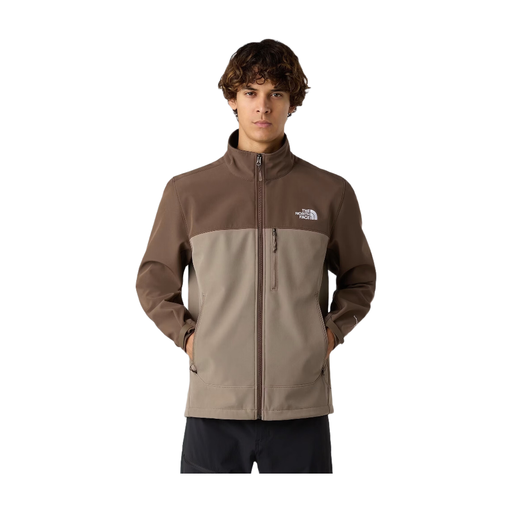
Why it suits this profile: This casual men’s jacket is designed for everyday wear, commuting and light outdoor activities. The fleece back and adjustable hem support comfort without requiring a heavy winter coat.
The product description mentions a wind-resistant construction, fleece back and adjustable cuffs and hem. This provides more information than a general claim about comfort alone.
93% polyester and 7% elastane; fleece back; zipped pockets and an adjustable hem.

Why it suits this profile: If you want one system for changeable weather, you can wear the outer and inner jackets separately or together. This works well for travel, walking and everyday use.
The product information describes a Triclimate 3-in-1 system with taped outer seams, adjustable cuffs and ventilation zips under the arms.
Layers that can be worn separately; 550-fill-power down insulation according to the product description; adjustable hood and hem.
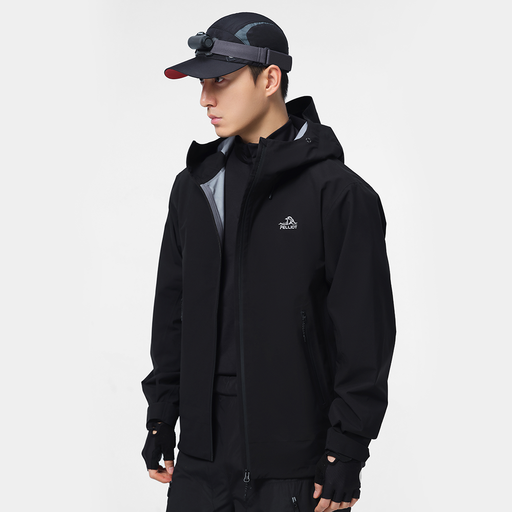
Why it suits this profile: This men’s hardshell jacket is intended for rain, wind and more demanding activities such as trekking, water sports and camping. The utility design can also be worn for commuting.
The description mentions a waterproof membrane, wind protection, breathable technical fabric and a hard-wearing outer layer. Check the care instructions and current specifications before use.
Utility fit; mesh or technical breathable material according to the product information; sizes XS to XXL.
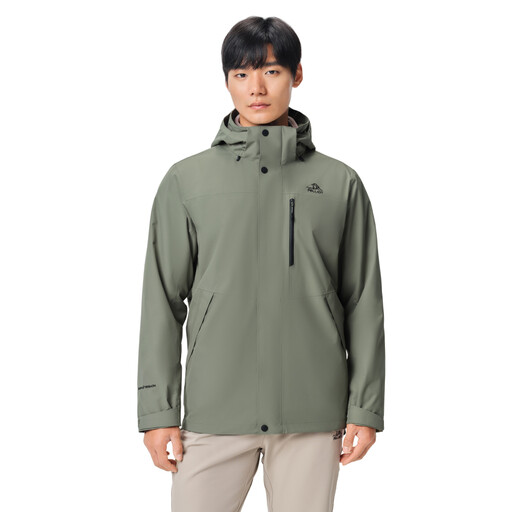
Why it suits this profile: The combination of a shell and fleece lining is suitable for camping, trekking and everyday commuting when you want different ways to wear the jacket.
The product information lists a 3-in-1 construction, adjustable hood, hem and cuffs, plus a hydrostatic head of 35,900 mm H₂O and an MVTR of 16,000 g/m²/24 hours according to JIS.
Shell, fleece lining or combination; stated abrasion resistance of more than 40,000 rub cycles; sizes S to XXXL.
We have compiled a complete, up-to-date list of products that fully meet these strict selection criteria and the applicable European safety regulations.
Choose a waterproof men’s jacket with an adjustable hood, covered or water-repellent zips and enough room to move around the shoulders. For intensive cycling, breathability and ventilation options are important. A heavy fleece lining is particularly suitable at lower temperatures, but may become too warm during exercise.
A men’s hardshell jacket is primarily designed as a protective outer layer against rain and wind. A men’s winter coat generally provides more insulation. With a hardshell, you will often use a separate fleece or down layer. A 3-in-1 model combines these functions in one system, offering greater flexibility but also more weight and a more complex construction.
Its lifespan depends on how often it is worn, friction, washing and storage. Regularly check the seams, zips and outer layer. Wash the jacket according to the care label and only renew a water-repellent finish when permitted by the manufacturer. A jacket that is still technically intact may nevertheless become less suitable for prolonged rain because of wear or a finish that no longer performs as well.
