
Vandaag of morgen in huis

Kwaliteit gegarandeerd

Welkomstaanbiedingen ontgrendelen: GRATIS bezorging | Tot 80% korting | Gratis 30 dagen JoyPlus-proefperiode
Download de app
A men’s jacket should suit the weather, your activities and the clothes you wear underneath. Yet people often choose one based on a striking colour, a brand name or a claim such as “waterproof” with no further explanation. As a result, a jacket can turn out to be too warm, too short, insufficiently protective or difficult to care for.
When comparing men’s jackets, look out for these three common pitfalls:
For everyday cycling or commuting, a windproof men’s jacket is often a practical choice. For walking, camping or exercising in changeable weather, a waterproof men’s jacket is more suitable, provided its construction supports this.
Check the following:
For example, the product information for the The North Face NF0A8DY2 lists DryVent fabric with sealed seams and a PFC-free DWR finish. According to The North Face product information, the style is designed for training and outdoor activities. However, this doesn’t tell you what level of protection to expect in all Dutch weather conditions.
A men’s winter jacket should keep you warm without being unnecessarily heavy or stuffy. So pay attention to the type of lining:
For sport or walking, useful details include underarm ventilation zips, an adjustable hem and cuffs. A men’s sports jacket doesn’t need the same level of insulation as a men’s parka for standing around in low temperatures.
A jacket should leave enough room for a shirt and, if needed, a jumper, without the sleeves riding up when you move. Ideally, take these measurements:
The product information for the NF0A8DY2 lists a standard fit. For size M, it gives a chest measurement of approximately 38.5–41 inches, and for size L, 41.5–44 inches. Always check the size guide on the product page, as US and European sizing can differ.
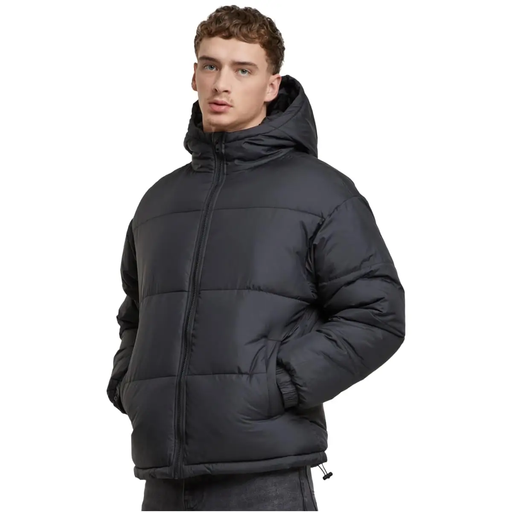
Why it suits this profile: This black puffer jacket is designed for everyday wear and cold days. The hood and synthetic filling provide practical, basic protection without the need for a complicated layering system.
The materials are clearly described: a polyamide outer layer, polyester filling and polyester lining. So you know what you’re buying, rather than relying on the term “winter jacket” alone.
100% polyester filling, a hood and several care options according to the product information. The jacket is available in size L.

Why it suits this profile: The 3-in-1 design is a good choice if you want one system for changing conditions. According to the product information, you can wear the outer layer and inner jacket separately or together.
This jacket isn’t chosen on thickness alone: its design includes a separate shell, an insulating inner layer, ventilation zips and adjustable cuffs. Be sure to check the exact material and care information on the product page.
3-in-1 system, 550 fill power down filling according to the product information, adjustable hood and underarm ventilation zips.
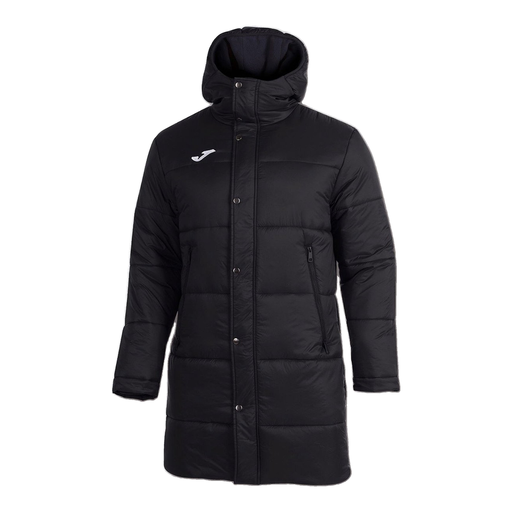
Why it suits this profile: According to the product specifications, this parka is designed for cold conditions, outdoor activities and everyday wear in the city. Its longer cut can be useful when you want extra coverage.
The product information specifies an insulated design, fleece lining, adjustable hood and cuffs. This tells you more than a general description such as “warm jacket”.
Water resistance is listed in the product specifications. The style also has several pockets, a fleece lining and a regular fit in size M.
Even a well-fitting men’s jacket can lose its performance sooner if it isn’t cared for properly. Fasten zips and hook-and-loop fastenings before washing, and use a mild detergent. Always follow the sewn-in care label.
Pay particular attention to the following:
A men’s fleece jacket, sports jacket or lightweight windbreaker can often be worn as a mid-layer. This means you don’t have to wear a heavy jacket in every type of weather.
We’ve put together a complete, up-to-date list of products that meet these strict selection criteria and the applicable European safety regulations.
Look for a waterproof men’s jacket with sealed seams, an adjustable hood and clear technical specifications. The word “water-repellent” alone usually doesn’t mean the jacket will keep out prolonged rain completely.
Compare your chest and hip measurements with the size guide for the specific style. Choose a little extra room if you want to wear a jumper or fleece jacket underneath. Check the sleeve and back lengths too.
How long it lasts depends on how often you wear it, friction, washing and care. You can help your jacket last longer by washing it according to the care label, avoiding the tumble dryer unless necessary and having technical coatings restored in good time, following the manufacturer’s instructions.
