
Vandaag of morgen in huis

Kwaliteit gegarandeerd

Welkomstaanbiedingen ontgrendelen: GRATIS bezorging | Tot 80% korting | Gratis 30 dagen JoyPlus-proefperiode
Download de app
A hoodie or sweatshirt may seem simple to buy, but small differences in material, fit and finish determine how often you will actually wear it. With men’s hoodies and sweatshirts, you also come across marketing terms that do not always say much about everyday use.
So pay particular attention to these three common pitfalls:
With the right checks beforehand, it is easier to find a men’s fleece hoodie, a men’s sweatshirt for everyday wear or a sporty model for training.
Cotton generally feels soft and is often used in a cotton hoodie or sweatshirt. Polyester can help a garment retain its shape and dry more quickly. A blend combines these properties, but the ratio is important.
Examples from the range:
A higher proportion of cotton does not automatically mean that a garment will be warmer or more durable. Also look at the inside, fabric weight and care instructions. For a warm men’s hoodie, a brushed or fleece inner lining is often more relevant than the cotton percentage alone.
A regular fit usually provides room for everyday movement without a noticeably oversized look. A loose or relaxed fit is more practical if you want to wear a T-shirt or thin jumper underneath the hoodie.
Check the following before buying:
For Tommy Hilfiger, for example, the stated chest measurement ranges from 88–92 cm for XS to 115–120 cm for XXL. The specific size chart on the product page is the definitive guide; international sizes may be displayed differently from one brand to another.
A hoodie with a hood is practical in windy weather or during a walk. An adjustable drawcord helps you adapt the fit. A hoodie with a kangaroo pocket provides space for small items and keeps your hands warm, while a zipped model is easier to put on and take off.
For sport and training, freedom of movement, elasticated cuffs and easy care are important. According to Nike’s product information, the Team Park 20 Hoodie uses Dri-FIT technology for moisture management. This is a claim from Nike’s product description; practical experience may vary depending on the user and activity.
A crew-neck sweatshirt is often easier to pair with jeans, chinos or a shirt. A hoodie is more suited to streetwear, travel, leisure and a sporty outfit.
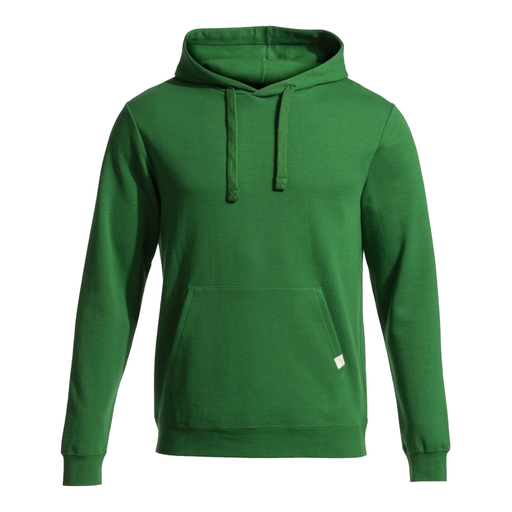
Why it suits this profile: A versatile choice for anyone looking for one sporty hoodie for training, leisure and everyday wear. The green colour and regular fit are easy to style.
The material composition, adjustable hood, elasticated trims and kangaroo pocket are clearly stated in the product information.
60% cotton and 40% polyester; regular fit; adjustable hood; suitable for sport and casual outfits.
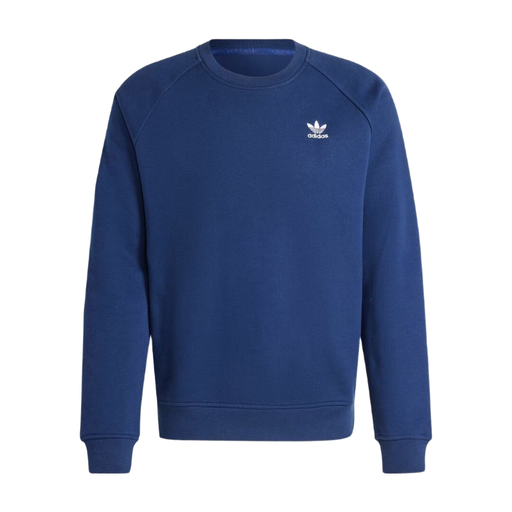
Why it suits this profile: This crew-neck sweatshirt works well with a smart-casual wardrobe and is suitable as a standalone layer or underneath a jacket.
The regular fit means you do not have to rely solely on a fashion term; the available EU sizes and material composition are specified.
70% cotton and 30% recycled polyester; fleece construction; ribbed neck, cuffs and hem; embroidered Trefoil logo.
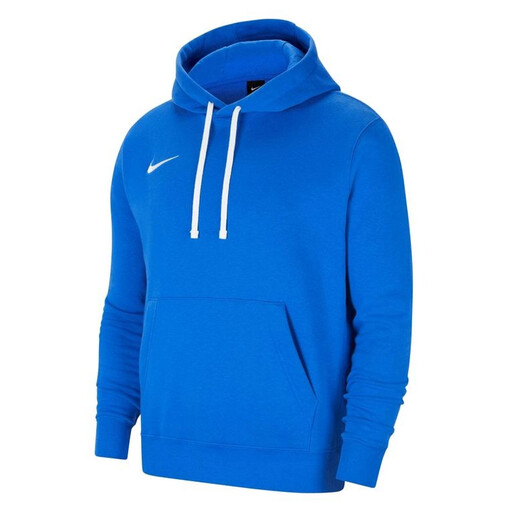
Why it suits this profile: Designed for team sports, training and casual wear. The adjustable hood and front pocket are practical when travelling and during warm-ups.
The product description mentions the fit, hood, front pocket and ribbed trims. According to Nike, Dri-FIT is used for moisture management; this remains a brand claim.
Standard fit; adjustable hood; kangaroo pocket; fleece construction; designed for sporty and everyday wear.
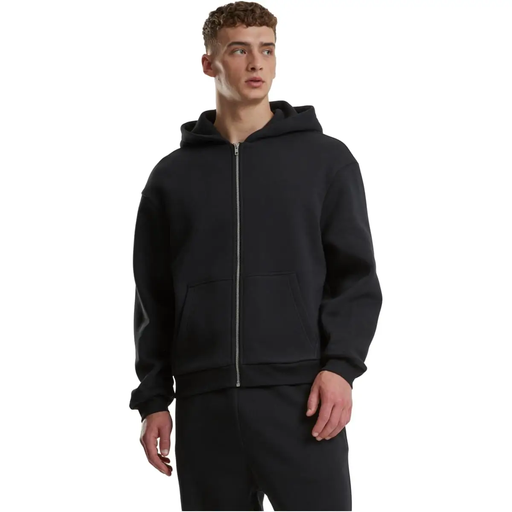
Why it suits this profile: The full-zip design is handy for layering, travel and casual streetwear. The black colour works well with a variety of outfits.
The product variant states that it has a brushed inner lining, full zip, drawcord hood and side pockets. Check the exact size before ordering.
Full zip fastening; brushed inner side; drawcord hood; side pockets; regular fit.
We have put together a complete, up-to-date list of products that fully meet these strict selection criteria and the applicable European safety regulations.
Lifespan depends on how often the garment is worn, friction, the wash cycle and drying method. Wash dark colours inside out and use a mild detergent. Avoid bleach unless it is permitted on the care label. Some models can be tumble-dried at a low temperature; others, such as the Joma hoodie according to the product information, should be air-dried.
Look out for wear and tear around:
A garment that is worn frequently benefits from being alternated with a second sweatshirt. This reduces how often it needs washing and helps it retain its fit for longer.
Measure a well-fitting sweatshirt laid flat, or compare your chest measurement with the brand’s size chart. Also consider the fit: regular, loose and relaxed each provide a different amount of room. If you want to wear a layer underneath the hoodie, allow extra room for movement.
Not necessarily. Warmth is also determined by the thickness of the fabric, the inner finish and whether there is a lining. A fleece hoodie often feels warmer thanks to its soft inner side, while a thin cotton model may be more suitable for milder days or as a layer under a jacket.
Always follow the care label. Many models can be washed at a maximum of 30 °C. Wash the garment inside out, do not use bleach and only tumble-dry it if this is permitted. Direct ironing is generally not recommended for prints and embroidery.
