
Vandaag of morgen in huis

Kwaliteit gegarandeerd

Welkomstaanbiedingen ontgrendelen: GRATIS bezorging | Tot 80% korting | Gratis 30 dagen JoyPlus-proefperiode
Download de app
Choosing a comfortable hoodie or sweatshirt seems straightforward. Yet some styles disappoint once you wear them more often. The fabric may be thinner than expected, the fit may differ from the photo and a hood is not always comfortable under a jacket. With this practical guide, you can compare men’s hoodies and sweatshirts by material, fit, warmth and intended use.
A black men’s hoodie or a men’s sweatshirt with a large logo is easy to pair with jeans and joggers. However, the design says little about comfort. Always check the material composition, fastening, pockets and ribbing.
A men’s cotton sweatshirt often feels soft, but cotton takes longer to dry than polyester. A cotton blend may retain its shape better. So don’t just look for words such as “comfort” or “soft”; check the percentages on the product page.
Fleece can provide extra insulation, but warmth also depends on the thickness, inner side and how you wear the garment. According to adidas product information, the fleece in the Trefoil sweatshirts is intended to provide warmth and to be worn over or under other clothing. That does not mean every men’s fleece hoodie is suitable as a winter coat.
Look out for the difference between:
Sizes vary by brand and model. A loose-fit men’s hoodie may be roomier in the same size than a regular-fit men’s sweatshirt. Compare the size guide with a garment you already own. For example, measure the chest width flat from armpit to armpit.
The Nike FC Fleece Hoodie is listed as having a loose fit. According to the product information, the adidas Trefoil Essentials Crew Sweatshirts have a regular fit. The Under Armour Rival Fleece Logo Hoodie is also described as regular fit. These terms are more useful than the letter size alone.
A cotton blend combines the properties of several fibres. The adidas Trefoil Essentials Crew Sweatshirts are made from 70% cotton and 30% recycled polyester. The Joma Combi Hoodie uses 60% cotton and 40% polyester. According to the product information, the Diesel S-GINN-HOOD is made from 100% cotton.
None of these compositions is automatically suitable for every situation:
A regular fit is usually less loose and is practical under a jacket. A loose or oversized men’s hoodie offers more room, but may bunch up more easily under a short jacket. A zip-through hoodie is practical for layering because it makes it easier to regulate your temperature.
Also check:
A casual hoodie is mainly designed for comfort and versatile styling. For light training, an adjustable hood, freedom of movement and a fabric that does not feel too heavy are important. According to the product information, the Joma Combi Hoodie is intended for sport and everyday use. The Nike Park 20 Hoodie is associated with sporting activities such as football and has a standard fit.
A warm men’s fleece hoodie can be comfortable when cycling or walking, but check that the hood and pockets remain practical when you are wearing a jacket or rucksack.
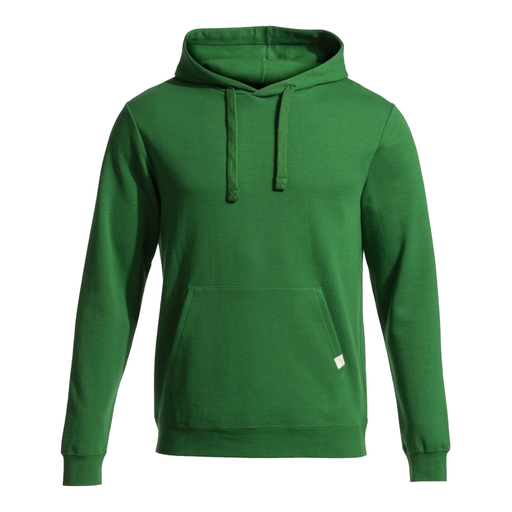
Why it suits this profile: The combination of cotton and polyester, a regular fit and a kangaroo pocket makes this a practical, sporty hoodie for everyday use.
The product information states the composition of 60% cotton and 40% polyester, as well as an adjustable hood and ribbed trim.
60/40 cotton blend, adjustable hood, kangaroo pocket and machine washing at a maximum of 30 °C according to the product information.
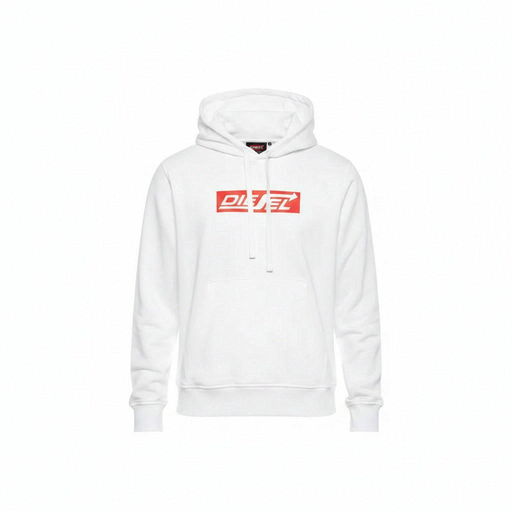
Why it suits this profile: If you value a simple look and a high cotton content above all else, this versatile hoodie is suitable for everyday use.
The product description specifically states 100% cotton and ribbed cuffs, rather than making only general comfort claims.
100% cotton main material, a classic hood and a neutral white colour that works with jeans, joggers and shorts.
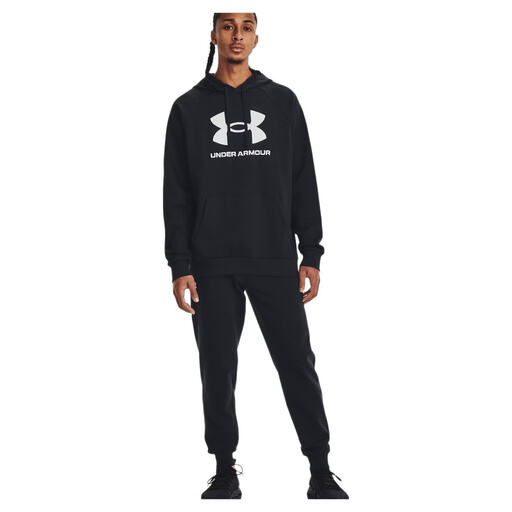
Why it suits this profile: This hoodie is designed for training, layering and everyday use, with a fleece lining and kangaroo pocket.
The product information specifies 80% cotton, 20% polyester, a brushed inner side and a regular fit.
Fleece on the inside, kangaroo pocket, ribbed cuffs and a size guide with a chest measurement of 94–104 cm for size M.
We’ve put together a complete, up-to-date list of products that fully meet these strict selection criteria and the applicable European safety regulations.
A hoodie usually has a hood, often with a drawstring, and may have a kangaroo pocket or side pockets. A sweatshirt generally has a crew neck and is also called a hooded sweatshirt when it does have a hood. Choose a men’s sweatshirt when you want a more understated neckline; choose a men’s hoodie for extra coverage around the neck.
Fleece, sherpa fleece and thicker sweat fabrics can provide extra warmth, according to the product description. Pay particular attention to the thickness, inner side and material composition. A cotton-polyester blend can be practical for regular use, while 100% cotton offers a different feel. The exact warmth depends on the model and the layers you wear underneath.
Wash the garment according to the care label, use a mild detergent and avoid bleach where this is not recommended. Wash dark colours separately and turn styles with logos or embroidery inside out. Allow a hoodie that must not be tumble-dried to air-dry. Also check after purchase that the fit is not too tight around the shoulders and cuffs; excessive tension can reduce comfort.
