
Vandaag of morgen in huis

Kwaliteit gegarandeerd

Welkomstaanbiedingen ontgrendelen: GRATIS bezorging | Tot 80% korting | Gratis 30 dagen JoyPlus-proefperiode
Download de app
A hoodie may seem simple to choose, but small differences in material, fit and finish can make a big difference to how comfortable it is in practice. A lightweight style may disappoint if you’re looking for a warm layer. An oversized hoodie may feel awkward under a coat. And an attractive print says little about the quality of the fabric.
Use this buying guide to compare men’s hoodies, women’s hoodies, fleece hoodies and sweat hoodies based on features you can check. Find a casual hoodie for everyday wear, a sporty hoodie for light training or a warm hoodie for cooler days.
A hoodie with a bold logo or fashionable colour may catch your eye, but also check the fabric composition, fabric weight and fit. A cotton hoodie feels different from one with a high polyester content. A fleece hoodie will generally retain more warmth than a lightweight sweat hoodie, but may be less suitable for intense activity.
A size M from one brand may be looser or tighter than a size M from another. Look for terms such as regular fit, relaxed fit and oversized fit. Always check the size guide and compare it with a hoodie you already find comfortable. Shoulder width and sleeve length are particularly important for an oversized hoodie.
Hoodies are often washed regularly, so incorrect care can affect their shape, colour and softness. Check whether the hoodie is tumble-dryer safe and what temperature to wash it at. Some styles are best dried on a washing line or air-dried. Always follow the care label in the garment, as it applies to that specific style.
Start by checking the fabric composition:
Fabric weight is sometimes given in g/m². A hoodie weighing 330 g/m² is clearly heavier than a lightweight summer style. According to the product description, the Urban Classics Fluffy Hoody is made from 330 g/m² sweatshirt fabric and consists of 70% cotton and 30% polyester. The Urban Classics Ultra Heavy Hoody is listed at 460 g/m² and is made from 100% cotton. A higher fabric weight does not automatically make a hoodie more suitable for everyone: it may feel warmer, heavier and less flexible.
Choose a fit that suits how you’ll wear it:
A hooded sweatshirt should feel comfortable without constantly pulling at your neck. Also check whether the hood can be adjusted with a drawstring. A hoodie with a kangaroo pocket offers space for small items and can keep your hands warm, but make sure the pocket doesn’t sit too low.
Ribbed cuffs and a ribbed hem help keep the hoodie in place. A zip hoodie is handy if you want to adjust your warmth quickly or wear it as a mid-layer under a coat. A style without a zip often has a cleaner silhouette and may feel warmer across the front.
For sport, look for freedom of movement, moisture management as described in the product information, and easy care. According to its product description, the Nike Team Park 20 Hoodie uses Nike Dri-FIT technology for moisture management. This is a claim made in Nike’s product information; your experience may vary depending on the wearer and activity.
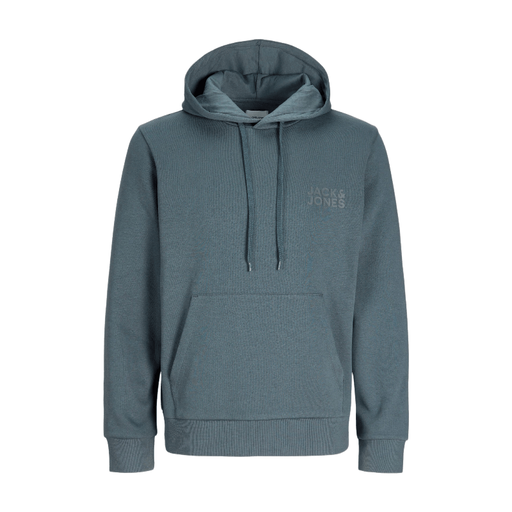
Why it suits this profile: The regular fit and kangaroo pocket make this a versatile hoodie for school, work, travel and leisure. According to the product description, it is made from 50% organic cotton, 30% recycled polyester and 20% cotton.
The fit, pocket and fabric information are clearly described, so you don’t have to judge it by the logo or photo alone.
Regular fit, kangaroo pocket and an inner surface that is lightly brushed, according to the product description.
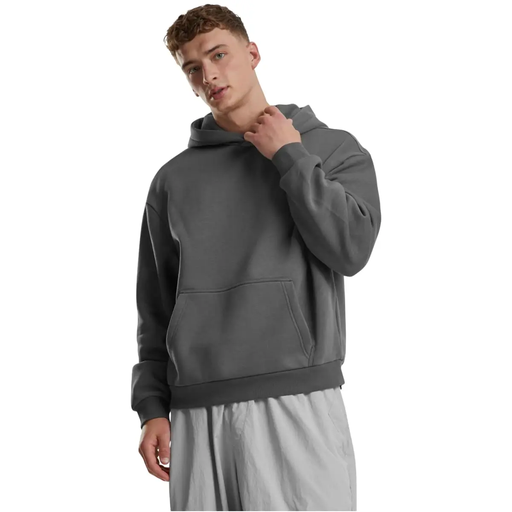
Why it suits this profile: The relaxed fit and relatively heavy fabric are a good match for anyone looking for a substantial hoodie for everyday wear and streetwear.
The stated weight of 330 g/m² tells you more than simply labelling it “warm” or “thick”.
330 g/m², relaxed fit, hood, and a fabric composition of 70% cotton and 30% polyester.
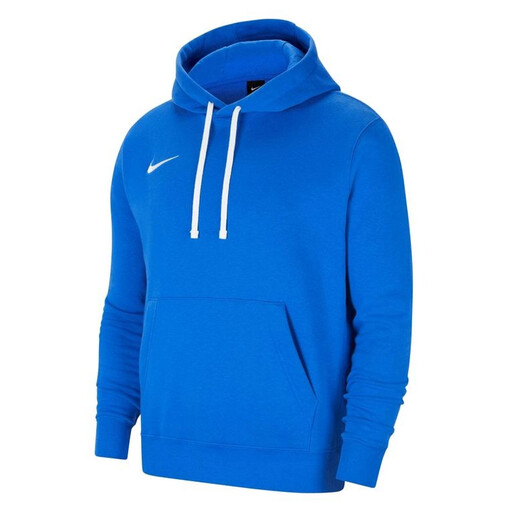
Why it suits this profile: According to the product description, this style is designed for team sports, training and casual wear. The adjustable hood and kangaroo pocket are practical when you’re out and about.
The product information covers intended use, fabric blend and care instructions, rather than relying on sporty marketing language alone.
Adjustable hood, ribbed trims, kangaroo pocket and Nike Dri-FIT technology for moisture management, according to Nike.
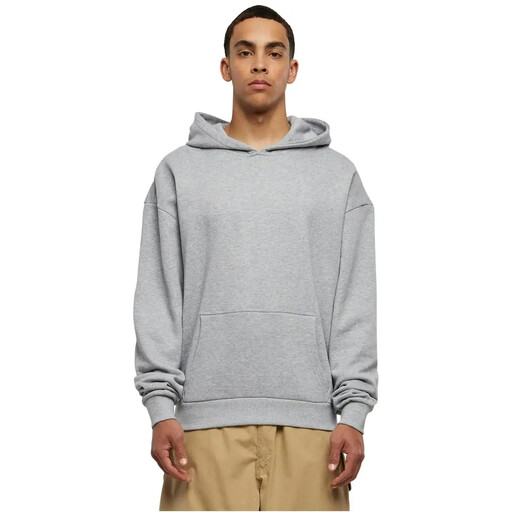
Why it suits this profile: The oversized silhouette, dropped shoulders and extra-long sleeves work well with streetwear and roomy, layered outfits.
The fabric weight of 460 g/m² and 100% cotton composition make it clear that this isn’t a lightweight mid-layer.
460 g/m², 100% cotton, oversized fit, dropped shoulders and kangaroo pocket.
We’ve put together a full, up-to-date list of products that meet these strict selection criteria and the applicable European safety regulations.
Look for a fleece hoodie or a style with a higher fabric weight. The Urban Classics Ultra Heavy Hoody is listed at 460 g/m², making it a heavier option. A brushed inner surface, as found in some fleece styles, can feel extra soft. Also check that the hoodie is roomy enough to wear over a T-shirt or light jacket.
Wash the hoodie according to the care label and don’t use a higher temperature than recommended. If the product information advises it, leave the garment to air-dry. Avoid tumble-drying if the manufacturer recommends against it. Turn a printed hoodie inside out and don’t iron directly over any decoration.
Its lifespan depends on fabric quality, how often you wear it, how often you wash it and how well you care for it. A higher fabric weight can make it feel more substantial, but it doesn’t guarantee a particular lifespan. Check the seams, ribbed trims, zips and print finish before you order. Rotating between several hoodies and washing them only when necessary can help reduce unnecessary wear.
