
Vandaag of morgen in huis

Kwaliteit gegarandeerd

Welkomstaanbiedingen ontgrendelen: GRATIS bezorging | Tot 80% korting | Gratis 30 dagen JoyPlus-proefperiode
Download de app
Men's hiking trousers need to do more than look sporty. Whether you're walking in the Ardennes, trekking in the mountains or spending a cold day on the ski slopes, you'll encounter wind, rain, mud and big changes in temperature. Yet many people choose trousers mainly for their colour or a discount. This can lead to the wrong fit, restricted movement or trousers that aren't suitable for the conditions.
As a Joybuy Product Recommendation Officer, I focus on verifiable product information: the type of trousers, stated features, size and intended use. Marketing terms don't always tell the whole story.
Water-repellent hiking trousers can make light rain bead off the surface for a while. That doesn't automatically mean they'll keep you dry in prolonged rain. Check whether the product description mentions a membrane, hydrostatic head or waterproof construction.
For a short walk, men's softshell hiking trousers may be practical enough. If you're expecting hours of rain, you may need a separate pair of waterproof overtrousers as an extra layer.
Men's windproof hiking trousers can be useful on exposed terrain and in cold winds. At the same time, fully sealed fabric can feel warmer during a steep climb. So check for ventilation zips, the number of layers and the level of exertion you expect.
For example, the product description for the The North Face ski trousers mentioned below specifies DryVent fabric, a windproof and waterproof construction, and ventilation zips on the inside of the legs. According to the brand's product description, these trousers are designed for snow sports and temperature regulation during descents. That doesn't automatically make them the right choice for a summer walk.
An M, L or XL can vary between brands and styles. Pay particular attention to the waist, hip and inside-leg measurements. Trousers that are too tight can restrict movement when you're wearing a base layer. Trousers that are too loose can catch when you're climbing or cycling.
Always check the size guide on the product page and compare it with a pair of trousers you find comfortable.
Single-layer hiking trousers are generally designed to be lightweight and simple to layer. They can be a good choice for walking in mild weather or when you want plenty of freedom to move.
Softshell hiking trousers have a more protective outer layer and are often chosen for changeable weather. However, the name softshell alone doesn't prove that trousers are waterproof or completely windproof. Check the specific product details.
For winter sports, men's ski trousers with additional features are a more relevant choice. Look for a snow gaiter, ventilation, an adjustable waist and room for thermal clothing. The The North Face trousers mentioned below list these features in the product description.
For walking, hiking and trekking, practical details include articulated knees, an elasticated waist or an adjustable fastening. These are especially useful if you bend down a lot, step over rocks or carry a rucksack.
Men's outdoor trousers with cargo pockets can offer extra storage, but make sure full pockets don't press against your thighs. For longer walks, a slim but comfortable fit is usually more practical than a very loose pair of trousers.
Black men's hiking trousers are easy to pair with other clothes and can make dirt less noticeable. Khaki men's hiking trousers work well with a casual outdoor look. However, colour makes no difference to water repellency, wind protection or durability.
Always follow the care label. Fasten zips and hook-and-loop fasteners before washing, and don't use bleach unless the care instructions allow it. The water-repellent finish on some trousers can become less effective with use and washing. So check the brand's care instructions.
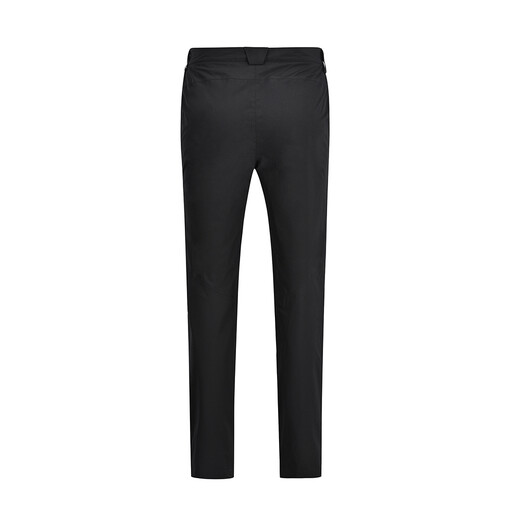
Why it suits this profile: The single-layer design is a straightforward choice for walks, everyday outdoor use and hiking in milder conditions. The black colour is easy to pair with other clothes.
The product name makes it clear that these are single-layer trousers. That way, you won't accidentally buy them expecting the warmth of lined trousers or the protection of technical waterproof trousers.
Single-layer design; black; available in size M.
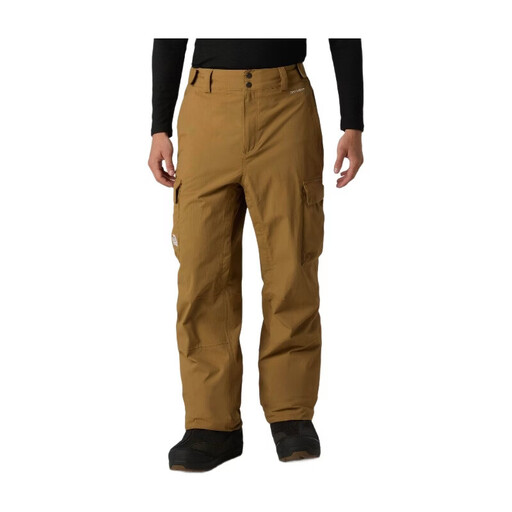
Why it suits this profile: According to the product description, this style is designed for snow sports and features DryVent fabric, a snow gaiter and ventilation zips.
The product information specifies construction details rather than relying only on general terms such as outdoor or performance.
DryVent fabric according to the product description; snow gaiter; ventilation zips; adjustable waist.
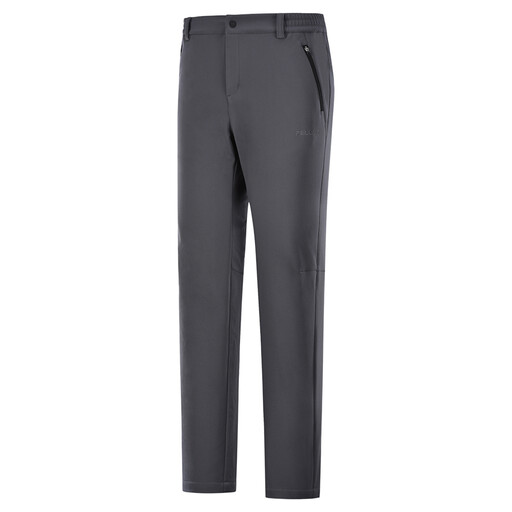
Why it suits this profile: A softshell style is a natural choice for active walks, trekking and changeable weather when freedom of movement and an extra protective layer matter.
The softshell label makes the layering clear, but you should still check the product page for specific claims about rain and wind protection.
Softshell design; dark grey; available in size XL.
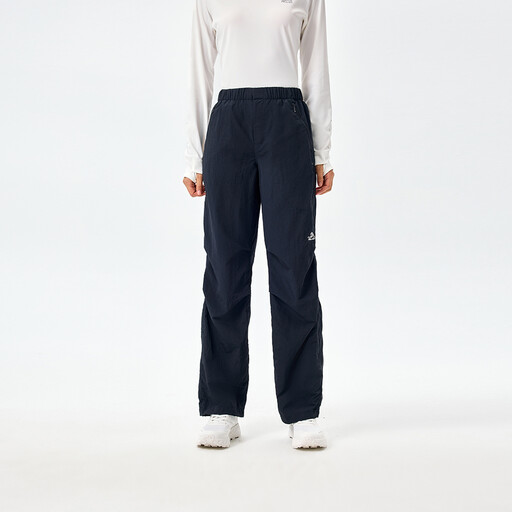
Why it suits this profile: This women's style is designed for anyone looking for a paratrooper-inspired look for outdoor activities or everyday wear, and who prefers functional trousers with a roomier feel.
The product is clearly labelled as a women's style and paratrooper trousers. Be sure to check the sizing before ordering, though; XL isn't a universal fit.
Women's style; paratrooper design; black; size XL.
We've put together a complete, up-to-date list of products that meet these strict selection criteria and the applicable European safety regulations.
That depends on how long and how heavily it's raining. Water-repellent hiking trousers may be suitable for short showers. For prolonged rain, it's wiser to choose trousers that are demonstrably waterproof or wear a separate pair of waterproof overtrousers. Check the product description for specific information about the membrane, seams and waterproofing.
Yes, depending on the fit and whether there's room for a thermal base layer. Softshell trousers can offer protection from wind and light rain, but they aren't automatically suitable for snow or prolonged rain. For winter sports, features such as a snow gaiter and ventilation zips are worth looking for.
Measure your waist and hips, then compare these measurements with the size guide on the product page. Measure your inside leg too if several leg lengths are available. Allow for layers: for cold-weather walks, your trousers shouldn't feel tight when you're wearing thermal trousers underneath.
