
Vandaag of morgen in huis

Kwaliteit gegarandeerd

Welkomstaanbiedingen ontgrendelen: GRATIS bezorging | Tot 80% korting | Gratis 30 dagen JoyPlus-proefperiode
Download de app
Buying men’s hiking trousers may seem straightforward, until you find they rub, restrict your movement or aren’t suited to changeable weather when you’re out walking. Marketing terms such as “outdoor”, “waterproof” and “softshell” only tell you so much: what matters is knowing which features are actually listed in the product information.
This guide explains what to look for in men’s hiking trousers, common pitfalls to avoid and which type of trousers is best for walking, climbing, training or everyday wear.
Water-repellent and waterproof don’t mean the same thing. Water-repellent hiking trousers can keep out light rain or splashes for a while. For prolonged rain, separate waterproof trousers or a stated waterproof rating are often a more practical choice.
So check:
If this information isn’t available, it’s best not to assume the product offers more protection than stated.
Men’s outdoor trousers should give you room to walk, climb stairs and bend down. Trousers that feel comfortable when you’re standing still may still feel restrictive around the thighs and knees on a climb or a long walk.
Pay particular attention to:
Always check the size guide for the specific product. Sizes M, L, XL and XXL aren’t identical across all brands.
Synthetic fabric can be lightweight and easy to care for, but that doesn’t automatically make the trousers suitable for every season. Lined men’s softshell hiking trousers may feel warmer than lightweight, single-layer trousers. For summer walks, ventilation matters more; in cold and windy weather, a thicker fabric and an extra layer can be useful.
Don’t judge the fit by the product photo alone. Look for information about a regular fit, articulated knees, stretch fabric or a gusset at the crotch. These details matter for hiking, climbing and long walks.
For men’s hiking trousers for everyday wear, a simple cut may be all you need. For more demanding activities, flexibility and a secure, adjustable waist are more important.
Men’s softshell hiking trousers are generally designed as a midway option between lightweight sports trousers and heavy-duty waterproof trousers. Check which features are actually listed on the product page. “Softshell” on its own doesn’t guarantee that the trousers are waterproof or windproof.
For wet conditions:
According to Joma’s own product information, the Iceland III parka has a waterproof outer layer. This is a manufacturer’s specification for that product, not a general feature of all outdoor trousers.
Will you be wearing the hiking trousers over a base layer or thermal trousers? If so, allow extra room around the waist and thighs. However, trousers that are too loose may slip down or rub. Check the care instructions on the label, too. Coatings and technical fabrics can lose their properties if washed incorrectly, exposed to fabric conditioner or washed at high temperatures.
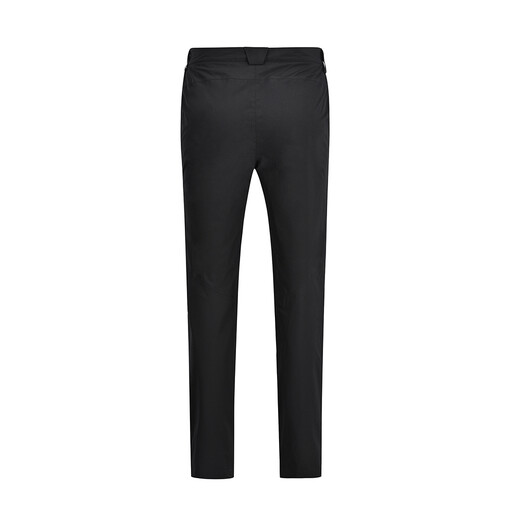
Why it suits this profile: The single-layer design is a sensible choice if you’re looking for straightforward hiking trousers for walks, everyday wear and milder conditions.
The product name makes it clear that these are single-layer trousers. That way, you won’t expect a lined or heavier design unless it’s specifically stated.
Single-layer design, black colour and size XL, according to the product listing.
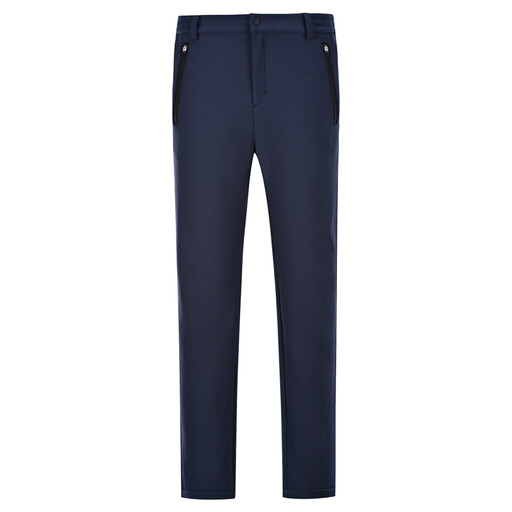
Why it suits this profile: The softshell design is a good fit for anyone looking for more protection on walks and outdoor activities than a lightweight pair of sports trousers can offer. This version is available in size XXL.
The description says softshell, but doesn’t claim the trousers are completely waterproof. This makes it easy to check whether you’ll need extra protection from the rain.
Softshell design, navy blue colour and size XXL, according to the product information.
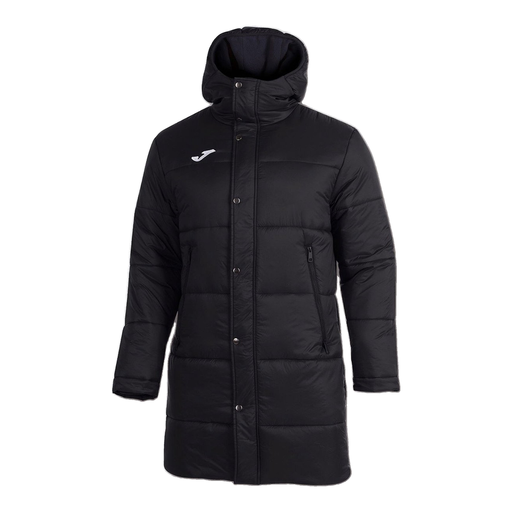
Why it suits this profile: On cold days when hiking trousers alone don’t offer enough protection, this parka adds an extra layer for outdoor activities and your everyday commute.
The product listing mentions a lined construction, adjustable hood and cuffs. Be sure to check that the fit leaves enough room for layers.
According to the product information: 100% nylon, waterproof outer layer, fleece lining and multiple pockets.
We’ve put together a complete, up-to-date list of products that meet these strict selection criteria and current European safety regulations.
In mild weather, well-fitting underwear that doesn’t rub is usually enough. In cold weather, you can add thermal trousers or lightweight sports leggings. If you do, choose hiking trousers with enough room around the waist, thighs and knees. Too many layers can restrict your movement.
Their lifespan depends on how often you wear them, how much friction they’re exposed to, how they’re washed and how often they’re exposed to rain or dirt. Check the seams, zips and seat regularly. Follow the care instructions on the label, and don’t use fabric conditioner if the manufacturer advises against it. Trousers worn every day may show different signs of wear from those used for occasional walks.
It depends on the specific product details. “Softshell” doesn’t automatically mean the trousers have a fully waterproof construction. Check whether the product information mentions waterproofing, a coating, taped seams or a hydrostatic head rating. For prolonged rain, a separate waterproof layer is often a practical addition.
