
Vandaag of morgen in huis

Kwaliteit gegarandeerd

Welkomstaanbiedingen ontgrendelen: GRATIS bezorging | Tot 80% korting | Gratis 30 dagen JoyPlus-proefperiode
Download de app
Men’s hiking trousers need to do more than look sporty. Whether you’re walking in the Ardennes, heading out on a mountain hike or following a long trail through the Dutch dunes, you’ll encounter changeable weather, plenty of movement and sometimes rough terrain. Yet many people choose based only on colour, price or a term such as “outdoor”.
That can leave you with trousers that feel too tight when climbing, get uncomfortable and warm quickly, or don’t leave enough room for an extra layer. Use these practical pointers to compare PELLIOT men’s hiking trousers, a softshell style or lightweight hiking trousers for fit and intended use.
Men’s softshell hiking trousers can be comfortable in windy conditions and light showers, but the term “softshell” doesn’t automatically mean the trousers will keep out prolonged rain. Check whether the product page lists a hydrostatic head rating, membrane or explicit waterproof rating. If that information isn’t provided, don’t assume the trousers offer complete protection from the rain.
For a wet day, wearing waterproof overtrousers over your men’s outdoor trousers may be more practical. This means you can still wear your hiking trousers in dry and changeable weather.
Hiking trousers may feel comfortable when you’re standing still but pinch when you’re climbing. Check the waist, room around the thighs and trouser length. Trousers that are too long can catch on branches or get wet on muddy paths. If they’re too short, they’re more likely to rub when you take high steps.
As well as S, M, L and XL, check whether XXL hiking trousers are available. Sizing varies between brands, so measure your waist and inside leg and compare them with the product’s size chart.
Words such as “mountain-ready”, “extremely strong” or “all-weather” don’t tell you much without details about the fabric, seams, fastenings and care. Men’s mountaineering trousers should suit the activity you actually have planned. A city walk calls for different features from a long climb with a rucksack.
Lightweight hiking trousers are useful if you’re covering plenty of miles or want to pack a compact spare pair. A single-layer style has a simple construction and may suit moderate conditions. Softshell styles are generally designed to combine freedom of movement with protection from wind or light showers, but how well they perform depends on the product specifications.
So check:
A brand’s own research shouldn’t be presented as conclusive proof of claims such as moisture-wicking or quick-drying performance unless a source is provided. Check the listed product details and customer experiences rather than relying on the model name alone.
For walking and hiking, it’s important to strike the right balance. The waist should fit securely without feeling tight. Also check that there’s enough room to wear a base layer or lightweight thermal trousers underneath.
Pay particular attention to:
If you’re between sizes, it’s worth measuring your waist and inside leg again. Men’s hiking trousers chosen solely by your usual clothing size may turn out unexpectedly small or long.
Black hiking trousers are easy to pair with other clothes and can make some dark marks less noticeable. Grey hiking trousers have a neutral look, while khaki can suit a more classic outdoor style. Navy is an alternative to black if you’d rather not choose a light colour.
Colour won’t affect the fit or technical features. Compare the style, material and size first, then choose between black, grey, khaki or navy.
The selection below is based on the product name and the available colour and size options. Always check the current product page, size chart, stock and full product specifications before ordering.
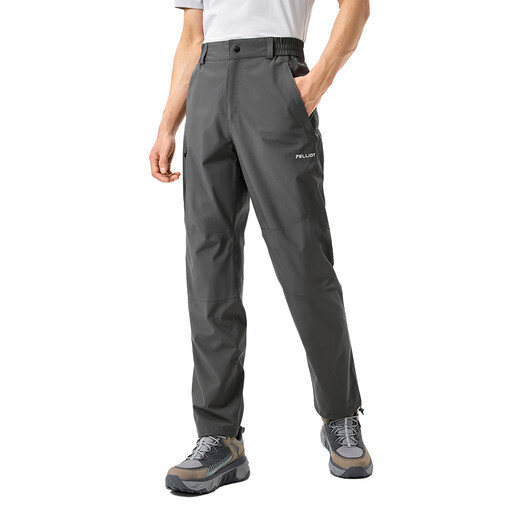
Why it suits this profile: The grey, single-layer style is a straightforward choice if you’re new to walking and looking for a versatile pair of basic hiking trousers. Size L is clearly listed as an option.
The model name makes the simple construction and colour clear. Be sure to check the fabric, waist and sizing for yourself before ordering.
Single-layer style; grey colour; size L available as a separate product option.
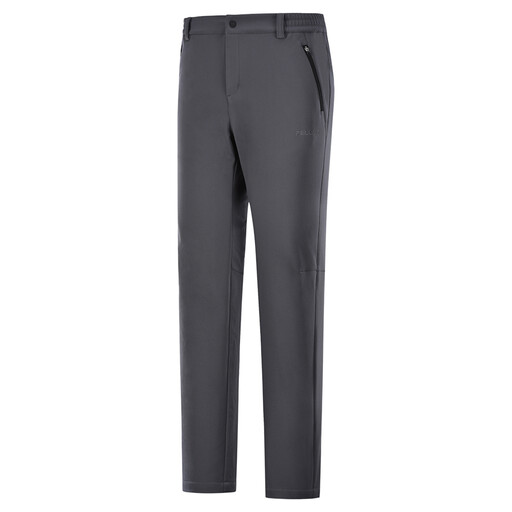
Why it suits this profile: This dark grey softshell style is a good match for walkers looking for a specific fabric type and a larger size option. XL is clearly included in the product name.
The softshell fabric is clearly specified, without assuming the trousers are fully waterproof. Check the technical details to make sure they suit your route.
Softshell style; dark grey colour; size XL listed as an option.
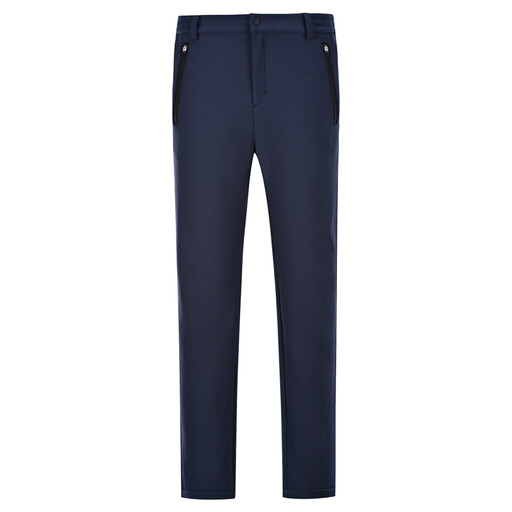
Why it suits this profile: This option combines a softshell style with a navy colour and size XXL. It’s worth considering for longer walks or outdoor activities where a wider choice of sizes is important.
The XXL option makes it easier to look beyond standard sizes. Check the exact measurements and room for movement in the size chart.
Softshell style; navy colour; size XXL available as a specific option.
We’ve put together a complete, up-to-date list of products that meet these strict selection criteria and the applicable European safety regulations.
Consider men’s softshell hiking trousers if you often walk in windy conditions or light showers. Always check that water repellency or waterproofing is actually listed in the specifications. You may need a separate pair of waterproof trousers for prolonged rain.
Measure your waist and inside leg while wearing lightweight clothing, then compare both measurements with the brand’s size chart. Also check the room around the knees and thighs. If you’re between sizes, the larger size may be more practical if you want to wear an extra layer, but the actual fit is what matters most.
Follow the care label and avoid using any product that could damage the fabric. Fasten zips and hook-and-loop fasteners before washing, and check the seams, waistband and pocket fastenings from time to time. How long the trousers last depends on how you use, wash and store them, as well as the amount of friction they’re exposed to.
