
Vandaag of morgen in huis

Kwaliteit gegarandeerd

Welkomstaanbiedingen ontgrendelen: GRATIS bezorging | Tot 80% korting | Gratis 30 dagen JoyPlus-proefperiode
Download de app
Men’s hiking trousers may seem simple to choose at first. However, small differences in fabric, fit and pockets can make all the difference on a long walk, cycle ride or trip. Trousers that seem suitable for all weather conditions in an online shop may feel too warm in practice, restrict your movement or not fit properly around the waist.
This buying guide will help you separate marketing claims from verifiable product information. You’ll find out what to look for in men’s softshell hiking trousers, men’s outdoor trousers and lightweight hiking trousers.
The term water-repellent doesn’t automatically mean that trousers will keep out prolonged rain. It often refers to a fabric or finish that temporarily slows the absorption of light rain. You may need a separate pair of waterproof trousers for heavy rain.
So check:
If no technical rating is provided, don’t draw conclusions based on a photo or the word “outdoor” alone.
Thick fabric can protect you from bushes and wind, but may restrict your movement when climbing or walking at a brisk pace. Lightweight men’s hiking trousers are often more comfortable in warmer temperatures, while men’s softshell hiking trousers may be better suited to changeable weather.
Pay particular attention to:
Extra pockets are handy for a phone, walking map or keys. However, large thigh pockets can pull on the fabric when they’re full. Also check whether the pockets can be fastened securely and whether they’re comfortable to use with a hip pack or rucksack.
Softshell trousers are generally designed to combine freedom of movement, wind protection and comfort. Exact features vary by product, so check the composition, lining and any product standards in the specifications.
A single-layer hiking trouser has one main layer, according to its product name, and may appeal to anyone looking for a simpler, potentially lighter option. “Single-layer” alone says nothing about waterproofing, warmth or durability.
Sizes such as M, L, XL and XXL aren’t identical across all brands. Always check the size guide for the specific product. Don’t just look at the waist; also consider:
When ordering online, it’s a good idea to measure your waist and inside leg according to the online shop’s instructions. Choosing a size up isn’t always the answer: trousers that are too loose may shift around as you walk.
A lightweight pair of hiking trousers can be comfortable for day walks, travel and camping. For colder days or rougher terrain, a lined or softshell option may make more sense. If you mainly walk in town, you may need fewer pockets and less protection than someone who spends several hours on unpaved trails.
The term men’s trekking trousers is used broadly, so look at the specific details rather than relying on the product category alone.
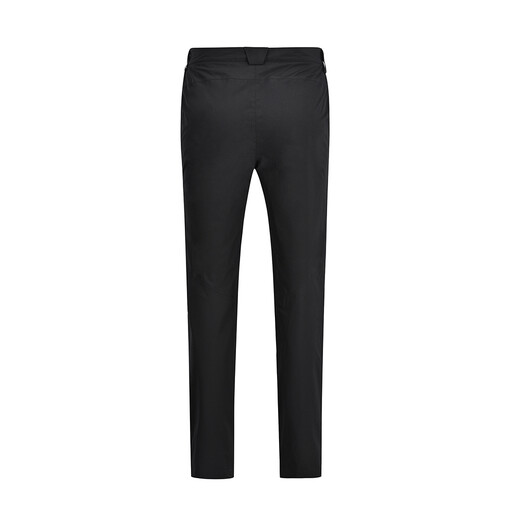
Why it suits this profile: The single-layer design and black colour make this a straightforward choice for beginners looking for one pair of hiking trousers for walks, travel and everyday wear. Check first that size M is right for your measurements.
The product name makes the layering clear. Don’t assume it will protect you from heavy rain, and check the technical details before buying.
Single-layer design; black colour; listed in size M according to the product details.
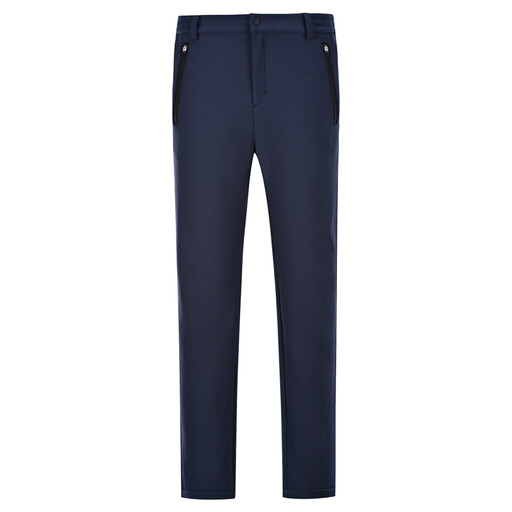
Why it suits this profile: This softshell style is a good match for anyone looking for trousers with a softshell construction for walks and outdoor activities. The navy colour works well for both sport and everyday wear.
Softshell is listed here as a product type, not a guarantee of waterproofing. Check the details on rain protection, lining and stretch separately.
Softshell design; navy colour; size M is stated in the product name.
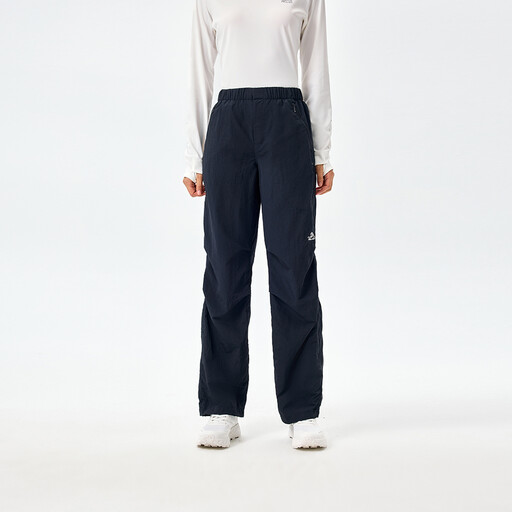
Why it suits this profile: This style is aimed at women looking for outdoor paratrooper trousers for walking, camping, travel or everyday wear. The black design is easy to pair with different layers.
The product name makes clear that this is a women’s style in size XL. Check the size guide and pocket layout before choosing this style for intensive activities.
Outdoor paratrooper style; black colour; size XL is stated in the product name.
We’ve put together a complete, up-to-date list of products that meet these strict selection criteria and comply with current European safety regulations.
A brand’s own research may suggest that certain fabrics dry faster, help limit odours or offer extra protection. Treat these as brand claims and check which features are actually listed in the product specifications. Medical or health claims shouldn’t form part of your buying decision.
Yes, they can be. Men’s outdoor trousers in a neutral colour with a simple fit are often suitable for travel, shopping and leisure. Just check that the cut and pockets suit your everyday style.
Their lifespan depends on the fabric, how often you wear them, how you wash them and whether they’re exposed to branches or rough surfaces. Follow the care label, avoid washing them in unnecessarily hot water, and check the zips and seams regularly. There’s no set lifespan that applies to every style.
Water-repellent hiking trousers may be enough for light rain, provided this is explicitly stated in the product specifications. For prolonged or heavy rain, a separate pair of waterproof trousers generally has a clearer, more specific purpose. Always check the stated waterproofing details before ordering.
