
Vandaag of morgen in huis

Kwaliteit gegarandeerd

Welkomstaanbiedingen ontgrendelen: GRATIS bezorging | Tot 80% korting | Gratis 30 dagen JoyPlus-proefperiode
Download de app
Men's hiking trousers need to do more than look sporty. Whether you're walking in the Dutch rain, exploring the hilly Ardennes or cycling and spending time outdoors every day, you'll soon notice whether your trousers fit well. The wrong choice can lead to chafing seams, restricted movement or fabric that feels too warm.
As a Joybuy Product Recommendation Officer, I filter product information against verifiable criteria. So don't just look for terms such as “outdoor” or “hiking”. Check the features that suit the way you plan to use them.
Trousers may look like a good fit in a product photo, but freedom of movement matters most when you're walking. Check that the size gives you enough room around the thighs and knees. If you're unsure, see whether the size guide includes waist, hip and inside leg measurements.
Men's outdoor trousers that are too tight can become uncomfortable when climbing, cycling or taking long strides. Trousers that are too loose may catch on branches or slip down when you carry things in the pockets.
The term water-repellent hiking trousers doesn't automatically mean you'll stay dry during a prolonged shower. Water-repellent fabric can provide temporary protection from light rain, while waterproof trousers usually also have a membrane, taped seams and a stated hydrostatic head.
Does the product listing give no technical information about waterproofing, seams or coating? Don't treat the trousers as a substitute for waterproof overtrousers. In changeable weather, hiking trousers worn with a separate waterproof layer are often more practical.
Words such as “performance”, “mountain” and “pro” don't tell you much on their own. Instead, check:
Lightweight hiking trousers can be comfortable in warm weather, but thin fabric isn't necessarily suitable for cold or rugged conditions.
A thin, breathable fabric can be comfortable for summer walks. In cooler temperatures or on windy routes, softshell trousers may offer more protection. Men's softshell hiking trousers are worth considering if you're looking for a combination of freedom of movement and extra protection from wind or light rain.
Always check what the product page actually says. “Softshell” describes the type of product, but without further details you can't draw firm conclusions about waterproofing, breathability or insulation.
Check both the letter size and the size guide. A size L may fit differently from one brand to another. See whether the waist is adjustable and whether the trousers sit high enough when you bend down or wear a rucksack.
These features are useful in men's hiking trousers:
Trekking trousers for multi-day walks need to meet different requirements from men's sports trousers for short training sessions. So check the washing instructions and drying method. Avoid fabric conditioner if the manufacturer advises against it, as it can affect the performance of technical fabrics.
Protection against chafing is also important for mountain walks. Check where the seams are and whether the product information says the fabric is suitable for more demanding outdoor use. The name mountain hiking trousers alone isn't proof of a particular level of abrasion resistance.
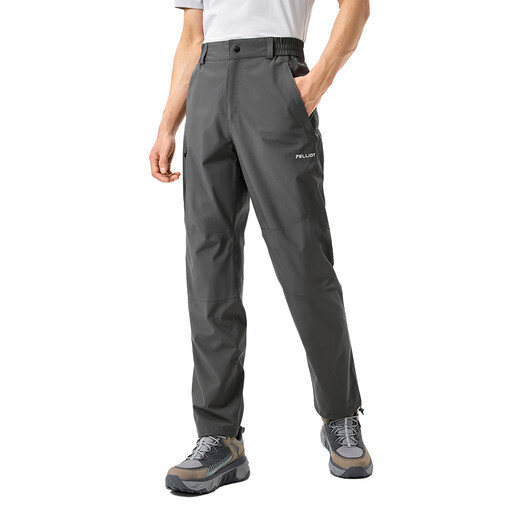
Why this suits this type of user: The single-layer design and grey colour make this model a good option for walkers looking for a simple pair of men's hiking trousers for everyday use and leisure walks.
The product name makes the layering clear. Before buying, check the size guide and any additional information about the material, pockets and water repellency.
Single-layer design; grey colour; size L stated in the product name.
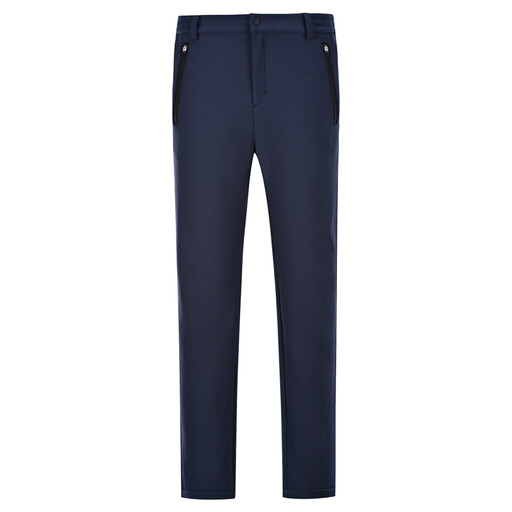
Why this suits this type of user: This model is aimed at people specifically looking for men's softshell hiking trousers for walks in changeable conditions.
Softshell is clearly stated in the product name, but before buying, check exactly what protection from rain, wind and cold is specified.
Softshell design; navy blue colour; size L stated in the product name.
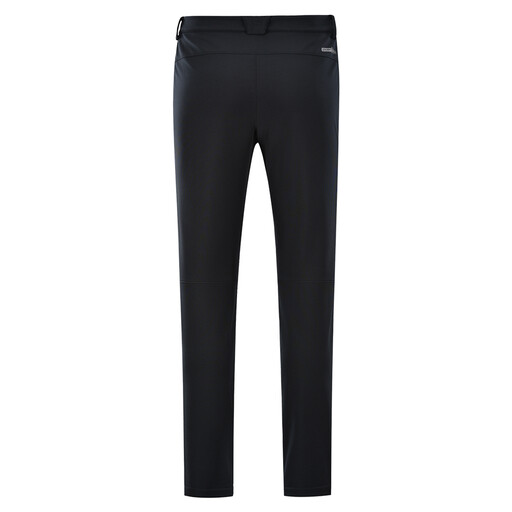
Why this suits this type of user: The softshell design and size XXL make this a suitable option for people who need extra room for active movement or a mid-layer.
The size is stated in the product name. Always compare it with your measurements to avoid a waistband that's too tight or trouser legs that are too long.
Softshell design; black colour; size XXL stated in the product name.
We've put together a complete, up-to-date list of products that meet these strict selection criteria and the applicable European safety regulations.
It depends on the stated specifications. Softshell trousers may be designed to protect you from wind and light rain, but they aren't automatically waterproof. Look for information about hydrostatic head, taped seams and a waterproof coating. If these details aren't provided, wear separate waterproof overtrousers in prolonged rain.
The waist should sit comfortably without digging in. You should be able to bend, climb stairs and take long strides without feeling restricted around the knees or hips. If possible, try the trousers on with the clothing layer you'll wear when walking. Also check that the trouser legs don't drag on the ground.
Their lifespan depends on the material, how they're used and washed, and how often they come into contact with rough surfaces. Trousers for everyday use wear differently from a pair designed for demanding treks. Follow the care instructions, avoid washing technical clothing at unnecessarily high temperatures, and check the seams, zips and waistband regularly. Marketing claims about long-lasting wear are no substitute for clear information about materials and care.
