
Vandaag of morgen in huis

Kwaliteit gegarandeerd

Welkomstaanbiedingen ontgrendelen: GRATIS bezorging | Tot 80% korting | Gratis 30 dagen JoyPlus-proefperiode
Download de app
Men's hiking trousers need to do more than look sporty. Whether you're walking in the Veluwe, taking a city break or exploring hilly terrain, you'll encounter changeable weather, plenty of movement and long days of wear. Trousers that seem suitable on paper can prove too warm, too tight or impractical in use.
So don't focus solely on colour or discounts. These three pitfalls are common:
Check both the sizing and the cut. Men's hiking trousers should give you room around the knees and thighs without hanging loosely. A straight or relaxed fit can be comfortable for everyday wear, while a closer cut is less likely to catch on branches.
Before buying, check:
If you're between sizes, check whether the waistband is elasticated or adjustable. For longer walks, a slightly roomier fit may be more comfortable than a tight pair that only feels right when you're standing still.
Men's softshell hiking trousers are designed as a versatile option for walking, travel and outdoor use. Softshell refers to a fabric construction that's often designed to offer flexibility and protection from wind or light rain. The exact performance depends on the fabric used and the product specifications.
Pay attention to the wording:
For everyday wear, outdoor trousers in a woven cotton blend can feel comfortable. For wet and windy conditions, technical fabric layers and protection are more important.
Good men's trekking trousers have pockets that are practical while you're walking. A zipped pocket can help keep your keys or payment card secure. Also check whether the pockets are large enough for your phone and whether they sit comfortably when you're wearing a rucksack.
Care affects how long your trousers last. Wash them according to the label, and avoid products that could unnecessarily damage any water-repellent treatment. Dry the trousers as directed. If the product description doesn't provide clear information about the fabric or care, check the product page carefully.
The right choice depends on your activities, clothing style and size. Below are some options for different types of user. The colours and sizes listed are based on the available product information; always check current stock and the size guide before ordering.
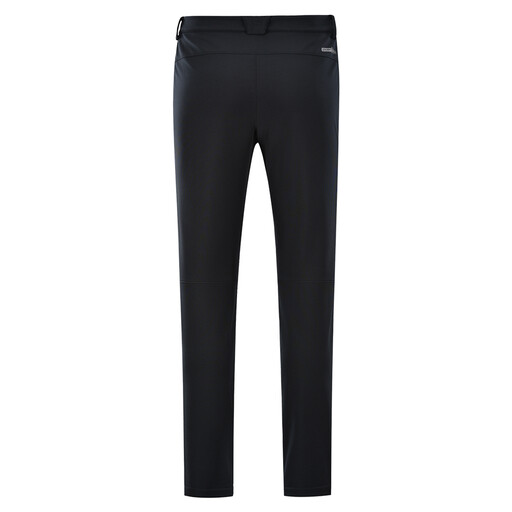
Why it suits this profile: The black colour is easy to pair with walking boots, a fleece or a jacket. The product name identifies these as softshell hiking trousers, making them suitable for recreational walks and everyday outdoor use.
The product name makes the type of trousers, colour and size clear. Before ordering, be sure to check the full size guide and exact fabric properties.
Men's softshell model; black; size M stated in the product name.
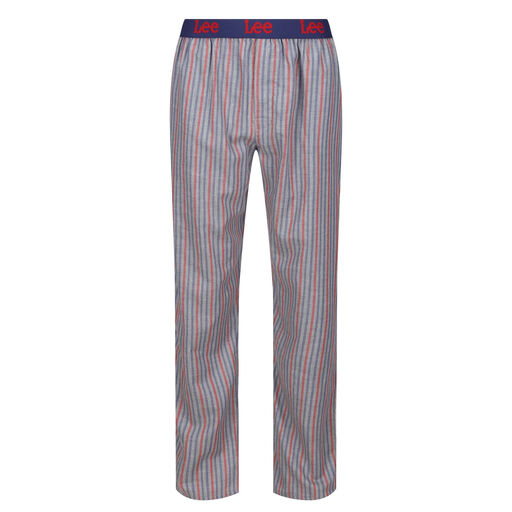
Why it suits this profile: These trousers are best suited to anyone looking for a smart pair for travel, everyday wear and light outdoor activities. The description specifies a relaxed fit through the hips and thighs, with straight legs.
The description clearly sets out the fit and fabric construction. It makes no claim that the trousers are waterproof, so you won't mistakenly treat them as waterproof overtrousers.
71% cotton and 29% elastomultiester; relaxed fit; straight legs; suitable for versatile styling.
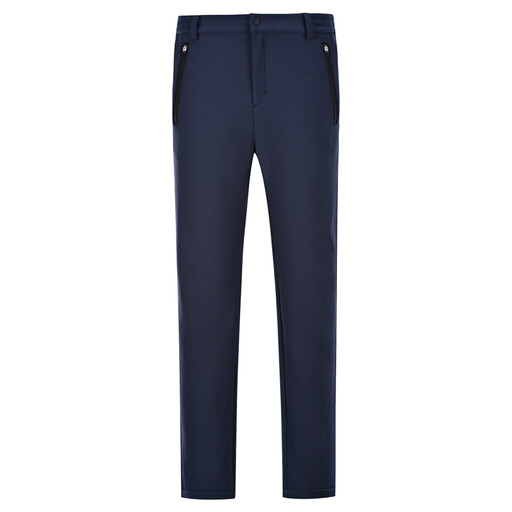
Why it suits this profile: The navy colour has a subtle look and works well for walking, travel and casual wear. The XXL size makes this version a relevant option if you're looking for plus-size hiking trousers.
The size and colour are easy to identify from the product name. Check the waist, hip and inside leg measurements to avoid assuming that XXL will automatically be the right fit.
Softshell hiking trousers; navy blue; size XXL; worth comparing with other plus-size options.
Black outdoor trousers tend to hide dirt relatively easily and go with almost any jacket. Navy outdoor trousers create a softer contrast and work for both walking and casual wear. Khaki suits a more classic outdoor style. Whatever colour you choose, remember that on-screen images may differ from the actual shade.
If you're comparing several pairs, consider colour only after checking size, fit and fabric. An appealing colour can't make up for restricted movement or unclear sizing.
We've put together a complete, up-to-date list of products that meet these strict selection criteria and the applicable European safety regulations.
It depends on the product specifications. Softshell can offer protection from wind and light rain, but it isn't automatically waterproof. If you want to wear the trousers in prolonged rain, look for a stated hydrostatic head rating, taped seams and care instructions.
Their lifespan depends on how they're used, friction, washing and the fabric. Trousers worn every week with a heavy rucksack will wear differently from a pair used for gentle walks. Follow the care label, check the seams and zips regularly, and avoid unnecessarily hot washing or drying.
Use the size guide for the specific product and measure your waist, hips and inside leg. Check the fit, too. A larger size doesn't always provide extra room in the right places; a style with an elasticated or adjustable waist may be more practical.
