
Vandaag of morgen in huis

Kwaliteit gegarandeerd

Welkomstaanbiedingen ontgrendelen: GRATIS bezorging | Tot 80% korting | Gratis 30 dagen JoyPlus-proefperiode
Download de app
A men's gilet is useful in the Dutch climate: warm enough for chilly mornings, less restrictive than a coat and easy to wear with a jumper or fleece. But not every style advertised as “warm”, “breathable” or “outdoor” is necessarily right for your needs.
Three common pitfalls to watch out for:
For everyday wear and cold-weather walks, synthetic insulation is a practical choice. According to The North Face product information, the ThermoBall insulation in its men's style is designed to provide warmth in damp conditions. The product description also lists an outer material made from 91% polyester and 9% elastane.
Synthetic filling generally dries more easily than down if the garment gets damp. That doesn’t mean every gilet is fully waterproof. Check whether it has a water-repellent treatment, and look for a clear waterproof rating if you need protection from prolonged rain.
A lightweight gilet with less bulky filling is better suited to cycling, commuting or training. For a leisurely walk in low temperatures, a warmer, thicker style may be more comfortable.
Wind can quickly make you feel cold, especially in exposed open countryside, on dykes and along cycle paths. A windproof gilet or one with wind-resistant panels can make a difference. According to the product description, The North Face Summit style uses WINDWALL material to help reduce the chill from cold winds while remaining breathable.
Also consider where the ventilation is placed. A men's gilet with stretchy side panels often gives you more freedom of movement than a completely rigid style. Breathable zones are useful for brisk walks or training, as they help excess heat escape.
A good gilet should leave room for a T-shirt, long-sleeved top or lightweight fleece. Too much extra room can let draughts in; a style that’s too tight can restrict your shoulders and put strain on the zips.
Before you buy, check:
A black gilet is versatile for everyday wear, while a bright colour or reflective vest makes more sense for roadside work or activities in the dark.
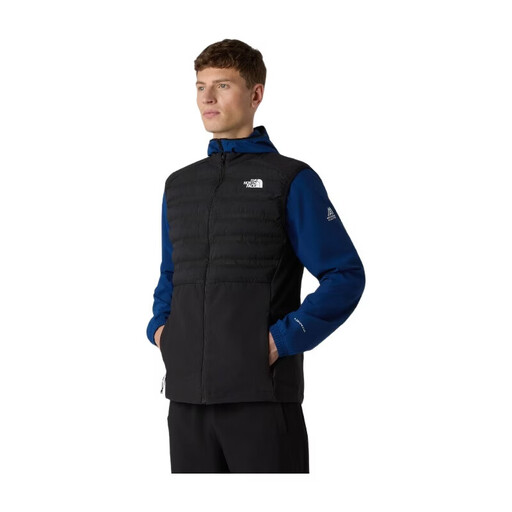
Why it suits this profile: This style is aimed at men looking for a black gilet for everyday wear, walking and training. According to the product information, it combines ThermoBall insulation with breathable side panels.
The product description lists 9% elastane and breathable side panels, so the design doesn’t rely solely on thick filling. According to the description, the DWR treatment is intended for light moisture, not prolonged rain.
Synthetic insulation, stretchy fabric and a size guide ranging from XS to 3XL. Check the chest and hip measurements before ordering.
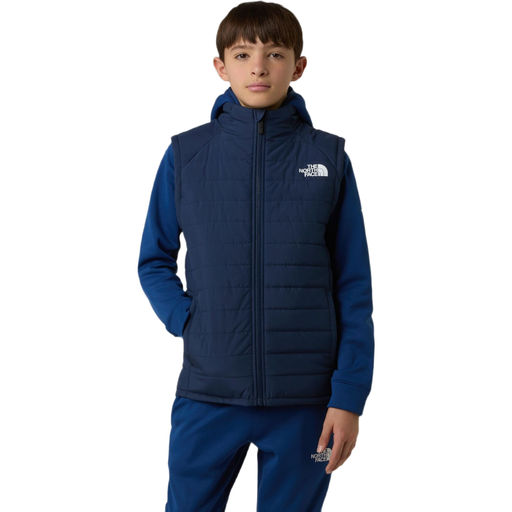
Why it suits this profile: The product information recommends it for lifestyle wear and walking in cold weather. According to the brand description, it has synthetic insulation, hand pockets and WINDWALL material.
The combination of wind protection and synthetic insulation is more specific than simply calling it a “warm gilet”. The description doesn’t claim that it’s fully waterproof, so take an extra shell layer if rain is forecast.
Regular fit, synthetic insulation and hand pockets. Check the available sizes and size guide carefully, as the product page lists unisex sizing.
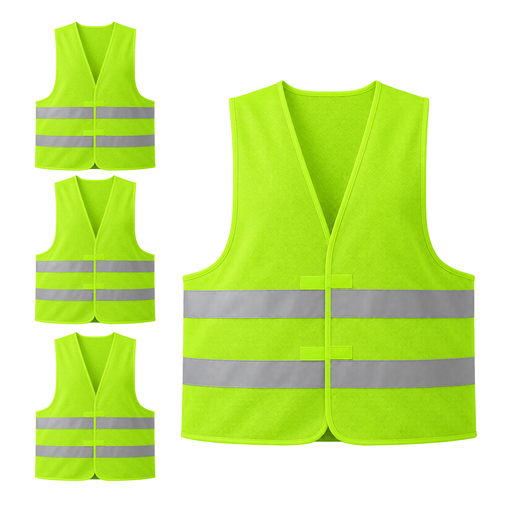
Why it suits this profile: This isn’t a padded gilet, but a reflective hi-vis vest for roadside assistance, warehouse work, roadworks and other activities where visibility matters.
Its purpose is clearly described as high visibility, so you won’t accidentally buy it as a winter layer. According to the product information, the reflective strips are 5 cm wide and go all the way round.
Set of four, polyester fabric, washable and fitted with hook-and-loop fastenings. It comes in one size and is designed to be worn over everyday clothes.
We’ve put together a complete, up-to-date list of products that meet these strict selection criteria and the applicable European safety regulations.
That depends on the insulation, wind protection, fit and layers underneath. A gilet leaves your arms free, but doesn’t protect them. In low temperatures, wear a warm jumper and, if needed, a waterproof coat over your gilet.
Measure your chest at its widest point and compare it with the size guide for the specific style. If you plan to wear a fleece or thick jumper underneath, don’t automatically choose the same size you wear in a T-shirt. Check the hip measurement and back length too.
Always follow the care label. For The North Face men's style, the product information recommends washing at up to 40 °C, using mild detergent and tumble drying on a low heat. Don’t use bleach, and only put your gilet away once it’s completely dry. This helps preserve its shape and insulating filling.
