
Vandaag of morgen in huis

Kwaliteit gegarandeerd

Welkomstaanbiedingen ontgrendelen: GRATIS bezorging | Tot 80% korting | Gratis 30 dagen JoyPlus-proefperiode
Download de app
A pair of men’s football boots may look convincing in photos, but that says little about how they perform on a wet Dutch football pitch. The most important choice is not the colour or brand, but the combination of sole type, playing surface, fit and material. Overlook these points and you could end up with insufficient grip, painful pressure points or studs that wear out quickly.
FG, AG and SG are not marketing terms for the same type of boot. They refer to different sole configurations:
An FG sole on artificial grass can feel uncomfortable and wear out more quickly. Conversely, artificial-ground football boots may not provide enough grip on a heavy, soft pitch.
Lightweight football boots can feel comfortable when accelerating and turning, but a low weight says nothing about stability around the heel. So check the construction as well. Models with a reinforced heel, a close-fitting shape or a supportive tongue can help keep your foot more securely in place.
For example, Joma’s product descriptions mention technologies such as Exo Counter and One Piece on various models. These are manufacturer product features; exactly how the boot feels depends on your foot shape, size and personal preference.
Synthetic leather is generally easy to clean and often retains its shape. According to the product description, leather football boots can gradually mould to the foot, but they do require regular care. Always check:
A little room around the toes is practical, but a boot that is too roomy can reduce control. If you are between two sizes, check the specific sizing information for the model rather than automatically ordering the same size.
FG football boots are designed for firm natural grass pitches. The Joma Striker 2502 FG features a synthetic leather upper, a low profile and a lightweight construction, according to the product information. The sole is intended for firm ground and includes strategically positioned studs.
The Joma Super Copa 2401 FG and Joma Propulsion Cup 2402 FG are also described as suitable for firm natural grass pitches. Consider the type of pitch you usually play on. A dry, well-maintained pitch requires something different from a heavily used pitch that becomes soft after rain.
For Dutch amateur pitches, artificial grass football boots are often a logical choice if you mainly play on artificial grass. According to their product descriptions, AG football boots have a sole designed to support grip and stability on synthetic surfaces.
The Joma Super Copa 2401 AG and Joma Super Copa 2402 AG are examples with a synthetic upper and rubber sole. The product information recommends using these models exclusively on artificial grass. Also check your club’s rules: some clubs have specific guidelines on studs for artificial pitches.
SG football boots are intended for soft ground. According to the product description, the Joma Propulsion Cup 2308 SG has aluminium studs and is designed for soft surfaces. This type of sole can be useful on wet, muddy natural grass pitches, but is not the practical choice for artificial grass or hard surfaces.
Clean SG boots immediately after use. Mud that dries between the studs can make maintenance more difficult and affect grip.
A synthetic upper is often easy to maintain: you can usually remove dirt with a damp cloth. For natural leather, it is advisable to follow the manufacturer’s care instructions. Do not put football boots in the washing machine and allow them to dry at room temperature, away from direct heat.
Laces allow you to adjust the pressure around your foot yourself. Tighten the laces evenly: leaving them too loose reduces stability, while pulling them too tight can put pressure on the instep.
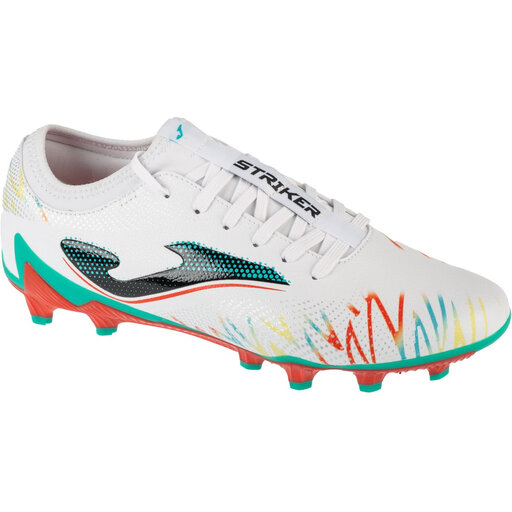
Why it suits this profile: A straightforward FG model for recreational players who mainly train or play matches on firm natural grass pitches.
The product information clearly specifies FG use, allowing you to match the sole to firm ground instead of choosing based purely on appearance.
Synthetic leather upper, low profile and a sole with strategically positioned studs, according to the product description.
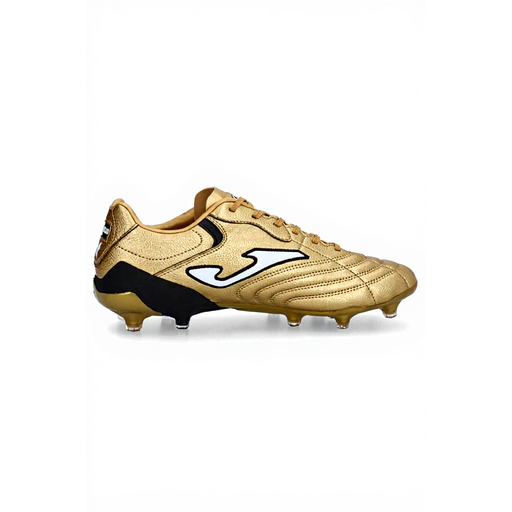
Why it suits this profile: Designed for players who value a leather upper, ball feel and a classic fit on firm natural grass.
The choice of material is clearly described. However, check the conflicting material information in the product specifications before ordering.
The description mentions natural leather; it also lists a padded collar and an anatomical insole.
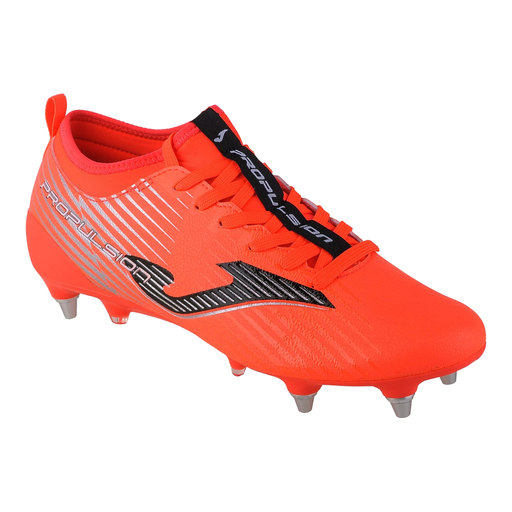
Why it suits this profile: A targeted choice for players who often play on soft, wet natural grass pitches and need an SG sole.
The SG label and use on soft ground are clearly stated. This helps prevent you from using these studs on artificial grass.
Aluminium studs, synthetic leather upper and a construction described as lightweight in the product information.
If you regularly go walking as well as playing football, a separate pair of footwear is worthwhile. Waterproof walking boots for men are practical for woodland walks and changeable weather, while high-cut walking boots for men provide more coverage around the ankle. For longer hikes with a backpack, men’s trekking boots with a sturdy rubber sole and protective toe cap are worth considering.
According to the product information, the PELLIOT Hiking Boots for Men feature a waterproof, breathable membrane, a hard-wearing synthetic outer, a protective toe cap and a rubber sole with tread. View the model in EU 42 or compare the available sizes. For a more substantial outdoor profile, the Salomon Quest Tracker GTX features a GORE-TEX membrane, higher shaft and wide fit. These features come from the manufacturer’s product description; always check the fit and care instructions.
The Nike Huarache 9 Varsity Lax is designed for lacrosse, not specifically for football. Nike lacrosse shoes with FG studs may be interesting for lacrosse on natural grass, but for football it is best to choose a model explicitly designated for your sport and playing surface.
We have compiled a complete, up-to-date list of products that fully meet these strict selection criteria and the applicable European safety regulations.
Their lifespan depends on how often you play, the playing surface, maintenance and the material. Only use FG, AG and SG boots on their recommended surfaces. Remove mud and grass after every training session, allow the boots to dry naturally and check the studs for wear.
According to their product designation, AG models are intended for artificial grass. For firm natural grass, you would generally choose an FG model. If you play on different surfaces, two suitable pairs are often more practical than using one pair everywhere.
Try them on with the socks you wear when playing football. Your toes should not touch the front and your heel should move as little as possible. Consult the size chart in millimetres, especially if you are between two European sizes.
