
Vandaag of morgen in huis

Kwaliteit gegarandeerd

Welkomstaanbiedingen ontgrendelen: GRATIS bezorging | Tot 80% korting | Gratis 30 dagen JoyPlus-proefperiode
Download de app
Finding a good electric shaver for men can be a daunting task. The market is saturated with models promising the smoothest skin, packed with all sorts of technological gimmicks. But which features are genuinely useful, and which are just marketing hype? Many men fall into the same traps: they overpay for features they don't use, or choose a device that causes irritation or performs poorly after just a few months. Before you make a choice, it's essential to know what to look for.
Here are the most common pitfalls to avoid:
To avoid buyer's remorse, it's best to focus on the specifications that truly matter. These determine the comfort, results, and overall user experience of your shaver.
The choice between a rotary and a foil shaver is the most critical one. There is no "better" option; it depends on your skin and beard type.
The wet & dry shaving capability means you can use the device not only on dry skin but also with shaving foam, gel, or even in the shower. This can significantly reduce skin irritation. Devices that support this feature have a waterproof housing, often indicated by an IPX7 rating. This means the device can be fully submerged in water, making it easy and hygienic to clean under the tap.
A cordless shaver offers freedom of movement. Pay attention to the following points:
Based on objective specifications, we have highlighted several popular choices that suit different user profiles.
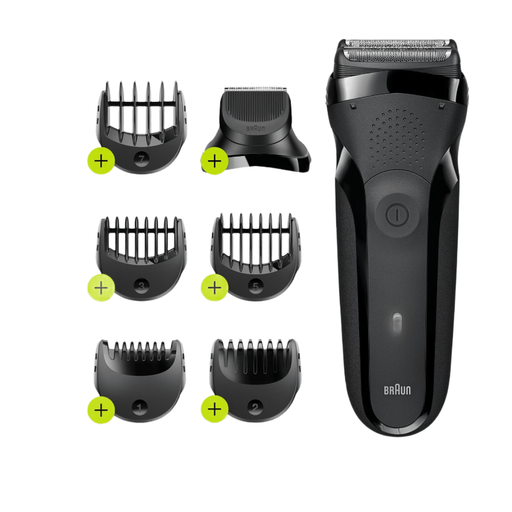
Why This Fits Their Persona: This is a no-nonsense device for those who want a reliable shave without paying for extras. Ideal for daily use and for trimming sideburns or a beard with the included attachments.
This model focuses on the core function: shaving. It avoids the trap of expensive, unnecessary "smart" features and offers solid, basic functionality from a well-known brand.
3-in-1 functionality: Includes a beard trimmer head and 5 combs for versatility. The shaver head is washable for easy maintenance.
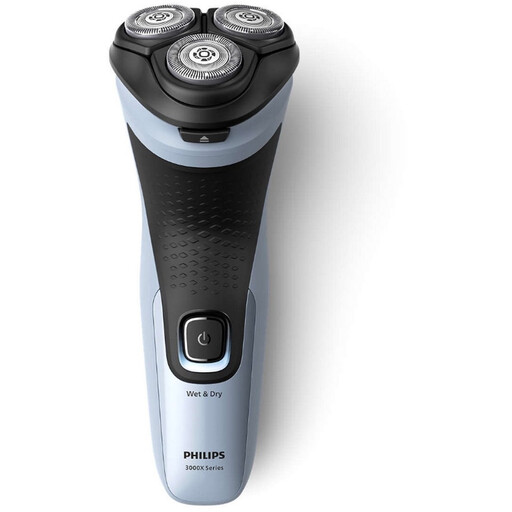
Why This Fits Their Persona: For men who want the freedom to shave both wet and dry. This rotary shaver adapts to facial contours and is fully waterproof, making it ideal for use in the shower.
This model bypasses the impractical battery trap. With a 1-hour charge time for 40 minutes of use and a 5-minute quick-charge function, you'll rarely be left without power.
IPX7 waterproof: Fully washable and suitable for wet shaving with foam or gel. The 4D Flex heads move in four directions for a smooth shave, even on the neck.
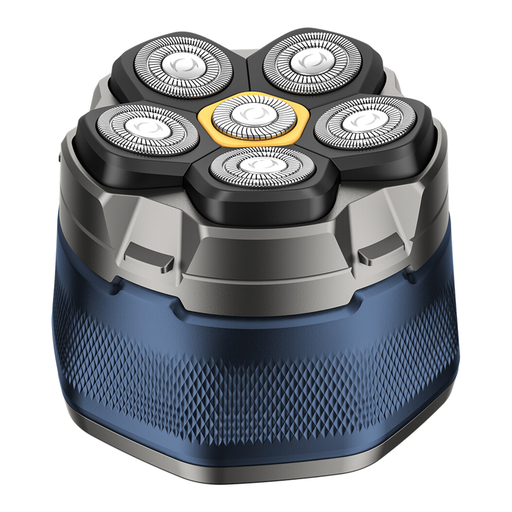
Why This Fits Their Persona: Specifically designed for shaving a bald head. Its ergonomic grip and multiple floating heads make shaving the scalp fast and efficient, a task that a standard facial shaver struggles with.
This device prevents the frustration of using the wrong tool for the job. It's purpose-built, so you don't have to struggle with a device made for the flatter areas of the face.
6 magnetic floating heads: Provides maximum coverage and flexibility on the curves of the head. The 150-minute battery life and IPX6 waterproof rating make it a highly practical device.
We have compiled a complete, up-to-date list of products that meet these selection criteria and comply with safety regulations.
Most manufacturers, like Philips and Braun, recommend replacing the shaver heads every 12 to 24 months, depending on the model and frequency of use. Worn blades can pull on hairs and cause skin irritation. Timely replacement ensures an optimal shaving result and greater comfort.
While it's technically possible, it's not always recommended. A standard electric shaver is designed for the contours of the face. A shaver for bald heads often has a different ergonomic design and more shaving heads to efficiently cover the larger, rounded surface of the scalp. For a consistently smooth-shaven head, a specialised device is often a better investment.
Both types require regular maintenance. Most modern devices, both rotary and foil, have detachable heads that you can easily rinse under the tap. Foil shavers sometimes have a foil and a separate cutter block, while rotary shavers consist of multiple individual shaving rings and blades. Cleaning stations automate this process but often come with the added cost of fluid cartridges. Manual cleaning is usually sufficient to keep the device hygienic.
