
Vandaag of morgen in huis

Kwaliteit gegarandeerd

Welkomstaanbiedingen ontgrendelen: GRATIS bezorging | Tot 80% korting | Gratis 30 dagen JoyPlus-proefperiode
Download de app
The men's deodorant aisle can be overwhelming. Dozens of brands promise 48, 72, or even 96 hours of protection, invisible formulas, and irresistible scents. But how often have you bought a men's deodorant spray that leaves stains on your favourite shirt or loses its effectiveness after just a few hours?
As a Product Recommendation Officer at Joybuy, I see daily how marketing claims create confusion. Before you grab another random can, let's first expose the most common pitfalls.
alcohol-free deodorant is a more specific and useful claim.The first and most important choice is between a deodorant and an antiperspirant. Although the terms are often used interchangeably, there is a fundamental difference.
deodorant against sweat odour. It contains fragrances to mask unwanted smells and often includes antibacterial ingredients (like alcohol) that tackle odour-causing bacteria. A deodorant does not stop the sweating itself.men's antiperspirant does what its name implies: it reduces sweat production. This is typically achieved with aluminium salts (like aluminium chlorohydrate) that temporarily and superficially constrict the sweat ducts. As a result, less sweat reaches the skin's surface.Your choice depends on your personal needs. If you don't sweat excessively but mainly want to smell fresh, a deodorant will suffice. If you struggle with sweat patches and want to tackle both odour and moisture, then an antiperspirant is the better option.
Two ingredients often raise questions: alcohol and aluminium.
men's deodorant spray for its quick-drying and antibacterial properties. However, it can be irritating on sensitive or freshly shaven skin. An alcohol-free deodorant is a gentler choice in that case.Axe deodorant varieties, often do not contain aluminium salts.Check the ingredients list to see exactly what's in your deodorant. Brands like Nivea men deodorant often offer options both with and without these ingredients.
To help you choose, we've matched several products to specific profiles. These aren't the "best" choices, but rather recommendations based on objective product features that align with a particular lifestyle.
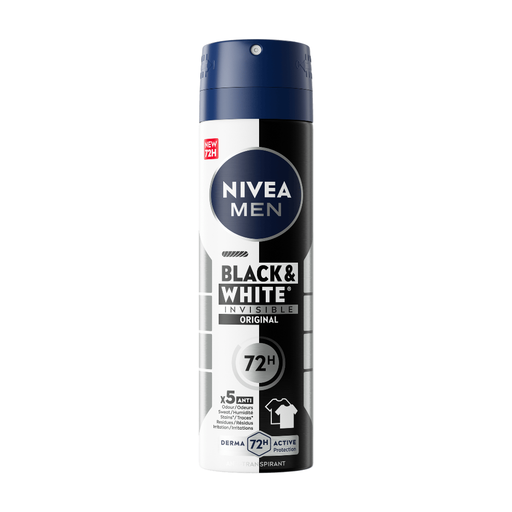
Why This Fits Their Persona: Ideal for daily office use. The focus is on reliable protection without having to worry about stains on your business attire, whether you're wearing a white shirt or a dark blazer.
This product directly tackles the pitfall of "invisible" formulas. According to Nivea, it's specifically developed to reduce white marks on black and yellow stains on white.
Anti-stain technology and a formula without ethyl alcohol, which makes it gentler on the skin for daily use.
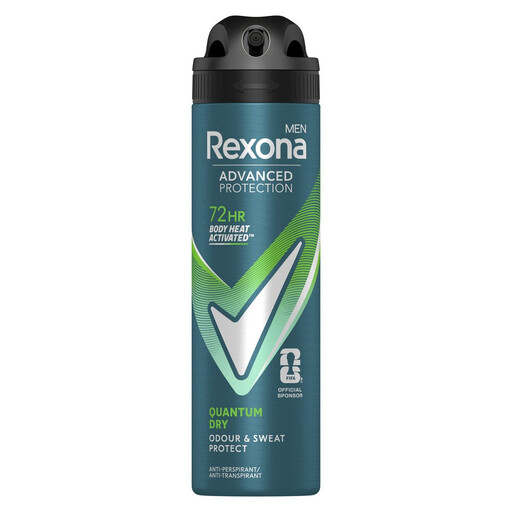
Why This Fits Their Persona: For the man who exercises regularly and needs an antiperspirant that performs under pressure. The protection must hold up during an intense workout, bike ride, or run.
Instead of a vague, long-lasting claim, this product focuses on a specific technology. According to Rexona, it contains 'body heat activated technology' that reacts to movement and body heat.
Motion-activated protection that becomes more effective the more you move. The formula is also free of ethyl alcohol.
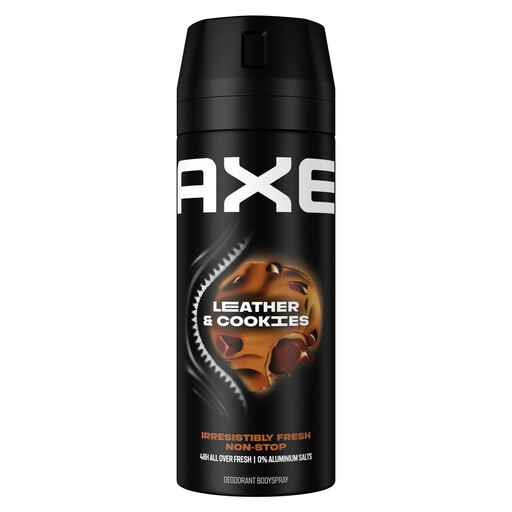
Why This Fits Their Persona: For the man who sees his deodorant as part of his personal style. The scent is the key factor here; it needs to be unique, modern, and distinctive, perfect for a night out or a social event.
This product sidesteps the performance pitfall by focusing entirely on the scent experience. It's a body spray that promises a unique fragrance combination, rather than making unrealistic protection claims.
An unconventional and bold scent of leather and cookies. The zinc-infused formula helps stop odours instead of just masking them.
We have curated a complete, up-to-date list of products that meet these strict selection criteria.
A deodorant focuses on combating the bacteria that cause sweat odour and masks the smell with fragrance. An antiperspirant contains active ingredients, usually aluminium salts, that reduce sweat production itself. The choice depends on whether you primarily want to fight odour or also reduce the amount of sweat.
White marks are often caused by the powdery ingredients in an antiperspirant. Yellow stains can develop over time from a reaction between sweat, sebum, and the aluminium ingredients. To minimise this:
Not necessarily. Alcohol serves a useful function: it kills odour-causing bacteria and helps the deodorant dry quickly. However, if you have sensitive skin or have just shaved your underarms, alcohol can cause a stinging or irritating sensation. In that case, an alcohol-free deodorant is a wise and gentler choice.
