
Vandaag of morgen in huis

Kwaliteit gegarandeerd

Welkomstaanbiedingen ontgrendelen: GRATIS bezorging | Tot 80% korting | Gratis 30 dagen JoyPlus-proefperiode
Download de app
A men’s cotton shirt can be comfortable, smart and versatile. However, it’s not wise to focus only on the colour or a low price. A shirt that looks sturdy in a photo may actually be too loose, crease easily or be unsuitable for the Dutch weather.
Look out for three common pitfalls:
With a few checks, you can find a men’s cotton shirt that suits your work, everyday wardrobe and the season.
Start by checking the exact composition. 100% cotton generally feels different from a cotton blend, while CVC fabrics combine cotton with another fibre. Neither is automatically right for every situation; it depends on how soft, warm and easy to care for you want the shirt to be.
A smooth fabric is often practical for the office and formal occasions. A men’s Oxford shirt usually has a distinctive, slightly heavier texture and works well with chinos, jeans or a blazer. For everyday wear, a casual shirt with a softer or looser weave may feel more comfortable.
For colder months, a men’s corduroy shirt or a men’s flannel shirt is a natural choice. Corduroy has a ribbed texture, while brushed flannel has a soft, warmer outer surface, according to the product description.
An M, L or XL doesn’t mean the same thing everywhere. Compare the chest measurement, shoulder width, sleeve length and overall length with a shirt that fits you well. Also consider the fit:
If you’re looking for men’s shirts in larger sizes, don’t focus only on 2XL or 3XL. Check that the shoulders and sleeves increase in proportion too. A roomier chest with short sleeves can still make for an uncomfortable fit.
A crease-resistant shirt or non-iron shirt can save time, but the term doesn’t always mean the garment will stay crease-free in every situation. For example, the product information for the JAMES KINGDOM DP model mentions a 3.5-level DP liquid-ammonia treatment and claims 50% better crease resistance. This is information from the manufacturer, so treat it as a product specification rather than a universal guarantee.
Wash a cotton shirt according to the care label, take it out of the machine promptly and hang it up neatly. Even a breathable cotton shirt can crease if it is left damp in the drum for too long.
The selection below matches verifiable product information with different buyer profiles. Before ordering, always check the current size availability, colour and care instructions on the product page.
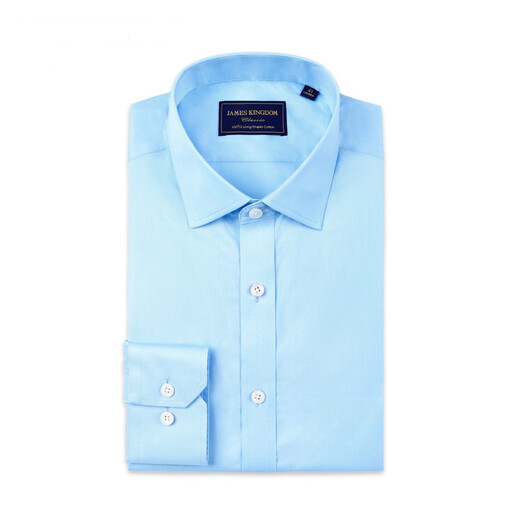
Why it suits this profile: A blue cotton shirt is easy to pair with jeans, chinos or dark trousers. The 41-L size makes it important to check the corresponding measurements on the product page.
The product name specifies cotton and a particular size and colour. Check the full composition and fit as well before ordering.
Blue colour for versatile styling; long size variant according to the product name.
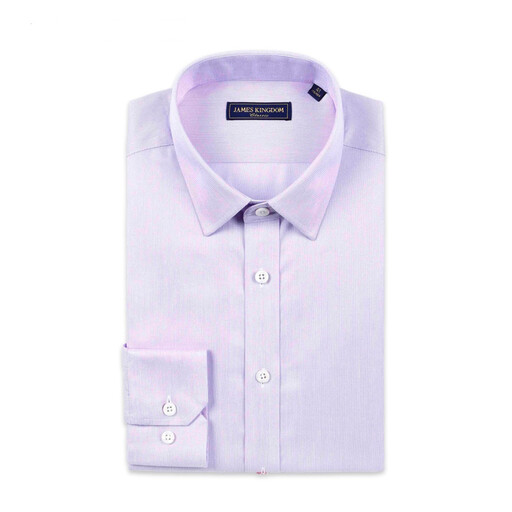
Why it suits this profile: This model is designed for the office, meetings and formal occasions. According to the product description, it’s made from 100% long-staple cotton and has a DP non-iron finish.
The description gives both the fibre composition and details of the specific DP treatment. Following the care instructions is still important to preserve the finish.
100% long-staple cotton according to the product information; tailored business fit; machine washable according to the stated instructions.
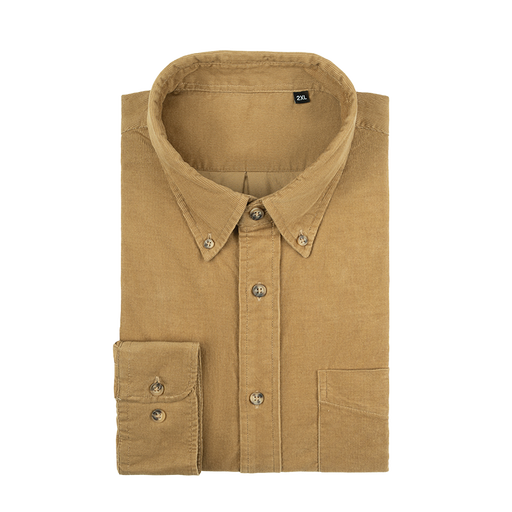
Why it suits this profile: The cotton corduroy fabric is designed for autumn and winter. You can wear the shirt on its own or layer it under a jumper, coat or blazer.
The description specifies 100% long-staple cotton, a fine ribbed texture and a regular fit. This makes the fabric’s intended use clearer than a general “winter fabric” claim.
100% long-staple cotton according to the product information; chest pocket; khaki colour; suitable for layering.
We’ve put together a complete, up-to-date list of products that meet these strict selection criteria and the applicable European safety regulations.
Yes, cotton is a popular choice for everyday wear because it’s comfortable and the fibre absorbs moisture. The feel also depends on the weave, thickness, fit and whether it’s a cotton blend. A lightweight Oxford shirt feels different from a heavyweight corduroy or brushed flannel shirt.
Follow the care label, choose a suitable wash programme and take the shirt out of the machine as soon as the cycle ends. Hang it on a wide hanger and gently straighten the collar, cuffs and seams. A non-iron shirt can help reduce creasing, but how well it works depends on the finish and how you care for it.
Its lifespan depends on the fabric quality, how often you wash it, how frequently you wear it and how you dry it. When buying, look for a clear composition, sturdy seams and a collar that holds its shape. Don’t wash it at a higher temperature than recommended, and avoid bleach unless the care label says it’s safe.
