
Vandaag of morgen in huis

Kwaliteit gegarandeerd

Welkomstaanbiedingen ontgrendelen: GRATIS bezorging | Tot 80% korting | Gratis 30 dagen JoyPlus-proefperiode
Download de app
A men's cotton shirt might seem like a straightforward purchase, but small differences in fabric, size and finish can determine whether you wear it often or leave it in the wardrobe after a few washes. A lightweight shirt can be comfortable in summer, while a sturdier Oxford style is better suited to the office or for layering over a T-shirt.
Look out for these three common pitfalls:
Many men look for a breathable cotton shirt for everyday wear. Cotton generally feels comfortable and absorbs moisture, but the result also depends on the weave, fabric weight and whether it’s blended with synthetic fibres.
Look out for these descriptions:
Don’t assume a garment is certified as organic cotton or fair trade unless this is explicitly stated. Check the fibre labels and care instructions too. Within the EU, textile information must clearly state which fibres a garment is made from.
A men's long-sleeved shirt can have a slim, regular or relaxed fit. A streamlined fit often works well under a blazer, while a looser style gives you more freedom of movement when you wear it over a T-shirt.
Use this approach when comparing options:
Bear in mind that some international product pages use size labels that don’t correspond exactly to Dutch clothing sizes. When choosing a men's shirt in a larger size, chest measurement is often more important than the letter size alone.
A men's non-iron shirt can be useful for commuting, meetings and travel. According to JAMES KINGDOM’s product information, the DP model has a liquid ammonia finish designed to improve crease resistance. This is a claim made in the brand’s product information, not a guarantee that ironing will be unnecessary in every situation.
To help your shirt last longer:
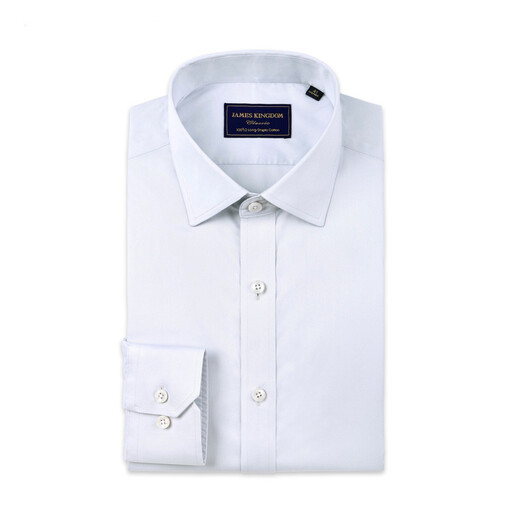
Why it suits this profile: The silver-grey colour is easy to pair with jeans, chinos and dark trousers. The listed size 41-L gives shoppers who know their collar size a clear starting point.
The product name specifies cotton, as well as a particular size and colour. Before buying, check the full composition and care instructions on the product page.
Neutral silver-grey colour; size 41-L is listed directly in the product variant.
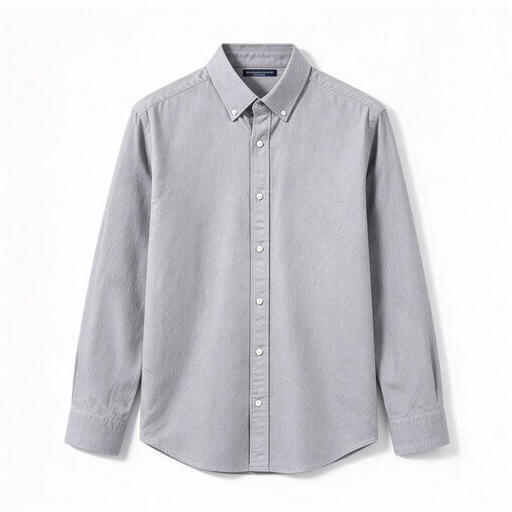
Why it suits this profile: According to the product information, this style is made from 100% long-staple cotton with an Oxford weave. Its grey colour and textured fabric work well for both office and casual wear.
The fibre composition and Oxford weave are clearly described. This makes it easier to assess the fabric than relying on a marketing name alone.
100% long-staple cotton according to the product information; Oxford weave; relaxed fit for wearing on its own or layering.
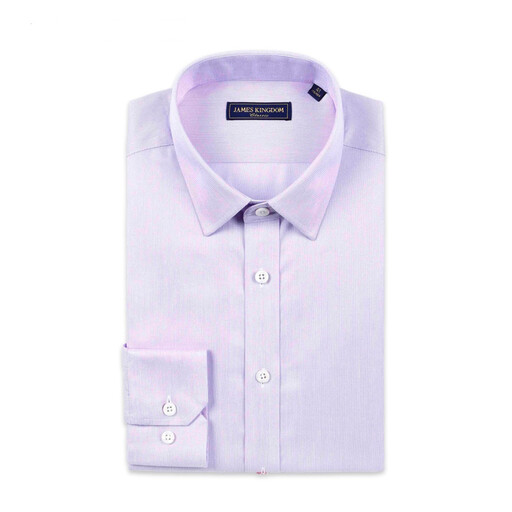
Why it suits this profile: According to the product information, this is a cotton business shirt with a DP non-iron finish. It’s designed for the office, meetings and formal occasions.
The product information specifies both 100% long-staple cotton and a particular non-iron finish. Check the care instructions to help maintain its crease resistance in everyday use.
100% cotton according to the product information; DP non-iron finish; size 40-M in silver grey.
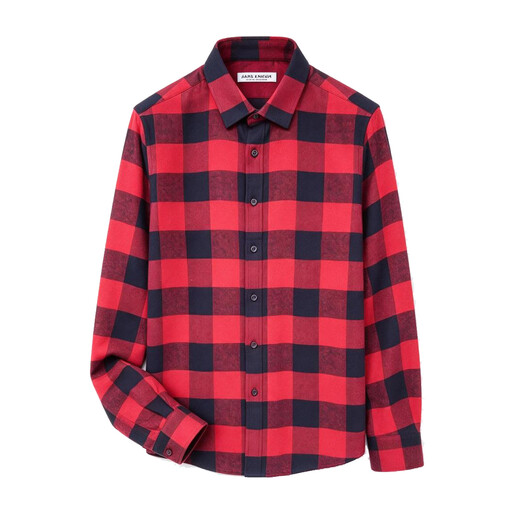
Why it suits this profile: The brushed flannel texture and black-and-red check make this a good casual men's shirt for autumn, winter and weekends. According to the product information, you can wear it on its own or layer it under a jacket.
The product information specifies brushed cotton fabric and a relaxed casual fit. That gives you a clearer idea of what to expect than a general description such as “winter shirt”.
Brushed flannel finish according to the product information; checked pattern; suitable for wearing on its own or with a jacket.
We’ve put together a complete, up-to-date list of products that meet these strict selection criteria and the applicable European safety regulations.
Yes. Cotton is practical for many everyday situations thanks to its comfort and variety of weaves. A lightweight cotton shirt is well suited to warmer weather, while Oxford or flannel offers more texture and warmth. Be sure to check the care label and exact fibre composition.
Hang the shirt up as soon as you take it out of the wash and leave it to air dry according to the instructions. According to the brand’s product information, a non-iron style may crease less easily, but how much it creases also depends on washing, spinning, drying and storage.
That depends on the fabric weight, seams, how often you wear it and how you care for it. It’s not possible to promise a set lifespan. Wash the shirt according to the label, avoid unnecessarily high temperatures and check the seams, collar and cuffs regularly. This helps you spot when it may be time for a replacement.
