
Vandaag of morgen in huis

Kwaliteit gegarandeerd

Welkomstaanbiedingen ontgrendelen: GRATIS bezorging | Tot 80% korting | Gratis 30 dagen JoyPlus-proefperiode
Download de app
A men’s cotton shirt may seem like a simple purchase, but small differences in fabric, fit and finish can determine whether you wear it regularly or leave it hanging after a few washes. A men’s cotton shirt can work for the office, an appointment or a day off, but not every style suits every occasion.
Look out for three common pitfalls:
For a men’s cotton shirt, the fabric composition is an important starting point. 100% cotton is often chosen for its natural fibres and generally breathable properties. According to the product description, the JAMES KINGDOM 100-Pack DP model is made from 100% long-staple cotton. This is a verifiable product specification, but it doesn’t guarantee that the shirt will feel the same to everyone.
A CVC shirt is made from a cotton-rich blended fabric. Check the product page for the exact proportions before ordering. You can recognise a men’s Oxford shirt by its more substantial, visible weave, which often gives it a smart but less formal look. For colder days, a men’s flannel shirt with a brushed surface may be more practical.
Don’t just look at S, M, L or XL. Compare the size chart with a shirt you already find comfortable. If possible, measure:
A fitted men’s business shirt shouldn’t pull when you sit down or move your arms. A regular fit offers more room for everyday wear. For a men’s cotton shirt in a larger size, the proportions across the chest, stomach and shoulders are especially important. Don’t automatically choose a larger size if that only means longer sleeves; check the actual measurements first.
A non-iron men’s shirt may appeal if you want to spend less time on laundry. According to the product description for the JAMES KINGDOM 100-Pack DP model, it has a 3.5-level DP treatment, which the brand says improves crease resistance by 50%. This figure is the brand’s claim and shouldn’t be taken as a universal result.
The care instructions say to wash cold, not to bleach, to use a low spin or drying setting, and to hang the shirt up straight after washing. Even a non-iron shirt can crease if it’s left wet in the washing basket or dried at too high a temperature. Always check the care label and current product information.
A men’s casual shirt can have a looser fit and be worn over a T-shirt. For meetings or formal occasions, a subtle colour, firm collar and neat shoulder line matter more. Navy blue pairs easily with grey, beige and jeans. That makes a navy blue cotton shirt a versatile choice for both the office and the weekend.
The following selection matches different styles with a clear use in mind. Product details are based on the available product information; check the size, stock, price and composition on the product page before ordering.
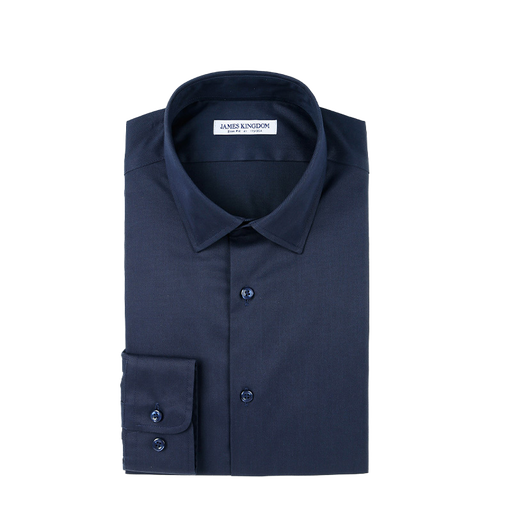
Why it suits this profile: The navy colour is easy to pair with jeans, chinos and dark trousers. That makes this style a versatile first cotton shirt for men, with plenty of opportunities to wear it.
The product name specifies CVC and navy blue, so you don’t have to rely on a general cotton claim alone. Before buying, check the exact fibre proportions and size chart.
Navy colour; CVC fabric according to the product name; size 40-M specified.
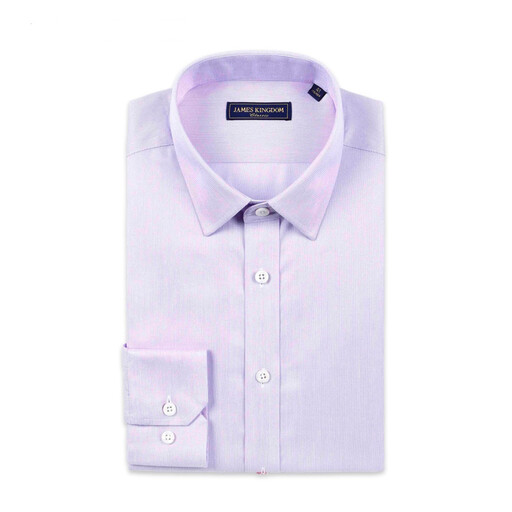
Why it suits this profile: This style is designed for the office, meetings and formal occasions. Its silver-grey colour looks smart without being as dark as navy.
According to the brand’s product information, this is a 100% cotton shirt with a DP non-iron finish. The claim that it reduces creasing still depends on care and how you wear it.
100% long-staple cotton according to the product description; DP treatment; size 40-M and silver-grey colour specified.
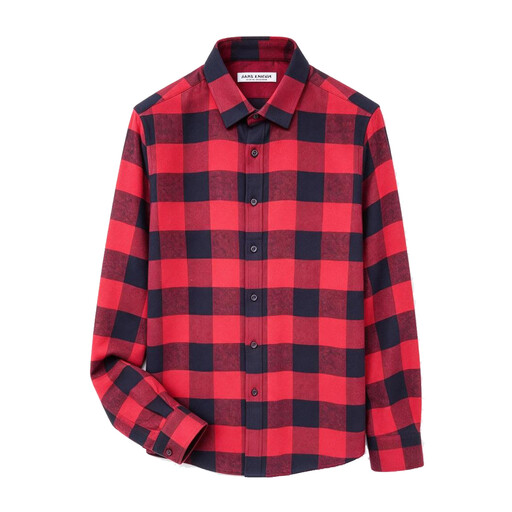
Why it suits this profile: The brushed flannel texture and black-and-red check are well suited to autumn, winter, outdoor wear and layering over a T-shirt.
The description specifies brushed cotton flannel, a relaxed fit and room for layers. That makes its intended use clearer than a shirt described only with the general term cotton.
Brushed flannel finish; black-and-red check; 2XL specified in the product name; suitable as a layer or a shirt worn on its own.
We’ve put together a complete, up-to-date list of products that meet these strict selection criteria and the applicable European safety regulations.
Yes, cotton is often chosen for everyday wear because it’s comfortable and available in a range of weaves. Do check the fabric weight, fit and care instructions. An Oxford style or CVC shirt may feel different from a lightweight, smooth shirt made from 100% cotton.
A non-iron shirt has a finish that, according to the product description, helps reduce creasing. That doesn’t necessarily mean you’ll never need to iron it. Wash the shirt according to the care label, take it out of the machine promptly and hang it up straight.
Its lifespan depends on how often you wear it, the wash cycle, drying method, fabric quality and fit. A shirt that isn’t too tight will generally put less strain on the seams and buttons. Wash it with similar colours, avoid unnecessarily hot drying and check the collar, cuffs and buttonholes regularly.
