
Vandaag of morgen in huis

Kwaliteit gegarandeerd

Welkomstaanbiedingen ontgrendelen: GRATIS bezorging | Tot 80% korting | Gratis 30 dagen JoyPlus-proefperiode
Download de app
A men’s cotton shirt might seem easy to choose, but product photos don’t tell you everything. A shirt can look smart yet feel too loose, crease easily or be too warm for everyday wear. Terms such as “premium cotton”, “non-iron” and “breathable” aren’t always used in the same way, either.
Use these checks to compare men’s cotton shirts and find the right style for the office, a casual weekend or colder autumn and winter days.
A 100% cotton label doesn’t tell you anything about the weave, thickness or fit. A lightweight poplin shirt feels different from a sturdy men’s Oxford shirt. Corduroy and flannel also have a distinct texture and are better suited to cooler days.
As well as checking the fibre composition, look at:
For a men’s non-iron shirt, the term usually refers to a treatment that helps reduce creasing. The results also depend on how you wash, spin, dry and store it. According to JAMES KINGDOM’s product information, the model in question has a 3.5 level DP liquid-ammonia finish, which the brand says improves crease resistance. This is a product claim, not a guarantee that you’ll never need to iron the shirt.
Sizing varies between brands and styles. A relaxed fit may feel roomier than a tailored business fit in the same letter size. Check the size guide on the product page and compare the chest, shoulder and sleeve measurements with a shirt that fits you well.
When ordering online, it’s also worth checking whether a style is suitable for wearing over a T-shirt. Going up a size may work better for layering, but it depends on the cut.
A breathable cotton shirt is often a comfortable choice for everyday wear, especially if you work indoors or are on the move. According to the product information for the Oxford styles, the fabric is made from 100% long-staple cotton with a distinctive Oxford weave. This gives it a slightly more substantial look than a smooth business shirt.
A men’s Oxford shirt works well with jeans, chinos and a blazer. For a formal workplace, a smoother shirt with a sharper collar and tailored fit is usually a better choice.
For the colder months, consider:
A men’s long-sleeved shirt should give you enough room across the shoulders and at the elbows. Check for pulling around the buttons. A shirt that’s too tight won’t just feel uncomfortable; it can also look less smart when you’re sitting or moving.
As a general guide, choose:
For men’s plus-size shirts, the proportions across the chest, stomach and sleeves are especially important. A larger letter size doesn’t automatically mean the sleeves or shoulders will fit well.
Wash cotton according to the care label, and turn dark or brightly coloured shirts inside out. Product information for several styles recommends washing on a cold or gentle cycle, avoiding bleach and using a low spin speed or low heat when drying. Hanging your shirt up straight after washing can help it keep its shape.
Neutral colours such as grey, navy and black are easy to style. Blue works well with denim and beige. A checked pattern, such as black and red flannel, has a casual look but is less suitable as a men’s business shirt.
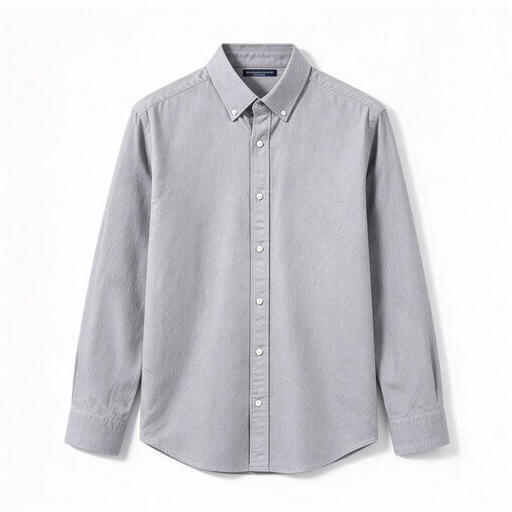
Why it suits this profile: A grey Oxford shirt is easy to style with jeans, chinos and a blazer. Its relaxed fit makes it suitable for everyday wear and layering.
The product information specifies 100% long-staple cotton, an Oxford weave and a relaxed fit. So you don’t have to rely on the photo or size letter alone.
100% cotton, a distinctive woven texture and a choice of colours including grey, blue and navy, according to the product information.
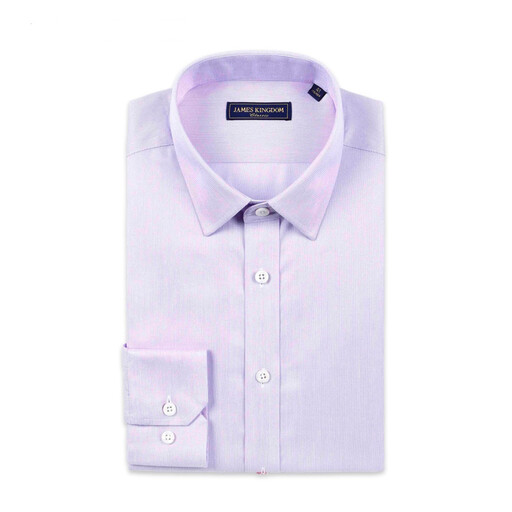
Why it suits this profile: This style is designed for the office, meetings and formal occasions. Its understated silver grey colour and tailored business fit make it a good match for a professional wardrobe.
The stated fabric composition, finish and fit give you more specific information than a claim that it’s “smart and crease-free”. Check the latest size guide before ordering.
According to the product information: 100% long-staple cotton, a DP non-iron finish and reinforced collar interlining.
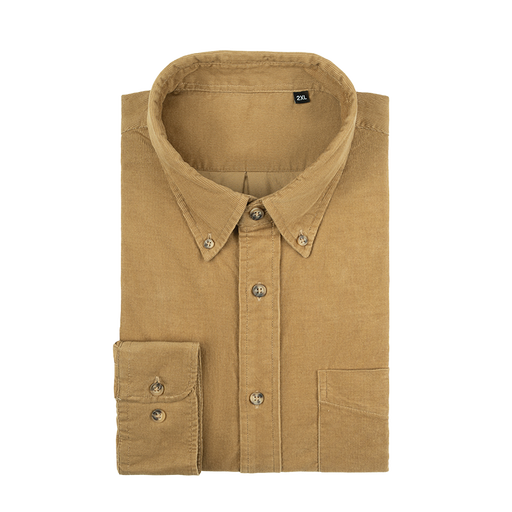
Why it suits this profile: This men’s corduroy shirt is made for autumn, winter and layering. The khaki colour works well with denim, dark chinos and a wool coat.
The product information specifically describes a thicker yet lightweight corduroy fabric, and includes care advice to help preserve the ribbed texture.
According to the product information: 100% long-staple cotton, a button-down collar, a chest pocket and a regular fit for wearing on its own or as a mid-layer.
We’ve put together a complete, up-to-date list of products that meet these strict selection criteria and the applicable European safety regulations.
It can, especially at high temperatures or if it’s tumble-dried intensively. Follow the care label, use a suitable programme and hang the shirt up straight after washing. Check whether the manufacturer mentions pre-shrinking or a shrink-resistant treatment, too.
A thin cotton shirt works best as a base layer. For more warmth, a men’s flannel shirt or a corduroy style is a better option. How warm it feels depends on the fabric’s density and texture, as well as what you wear with it.
The cost mainly depends on washing, drying and ironing. Machine-washing according to the care label is usually straightforward. Product information suggests that a non-iron style may need less ironing, but washing it properly and hanging it up carefully are still important for maintaining its shape and finish.
