
Vandaag of morgen in huis

Kwaliteit gegarandeerd

Welkomstaanbiedingen ontgrendelen: GRATIS bezorging | Tot 80% korting | Gratis 30 dagen JoyPlus-proefperiode
Download de app
Buying a new hoodie, sweatshirt or jacket may seem straightforward. Yet many poor purchases in men’s clothing come down to the same issues: unclear sizing, materials that do not suit the intended use and marketing claims that say little about everyday performance. For example, a jacket may be advertised as “waterproof” without making it clear in which conditions that protection applies. A warm winter coat can also become impractical if it is too heavy, too tight or difficult to care for.
With this buying guide, you can compare men’s hoodies, men’s sweatshirts, trousers and men’s jackets based on verifiable features. This makes it easier to find casual men’s clothing for everyday wear, men’s sportswear for training or functional outdoor clothing.
An M is not the same across every brand. A regular fit may be roomy, while a slim fit sits closer to the body. So check the size guide, chest measurement, waist and the amount of room you need for a T-shirt or extra layer.
Shoulder width is particularly important when choosing a jacket. If a jacket is too tight across the shoulders, it restricts your freedom of movement. With hoodies and sweatshirts, sleeve length, the hem and the hood also determine how comfortable the garment feels.
Cotton feels soft and is generally comfortable and breathable, but it does not automatically provide sufficient protection from rain or cold wind. Polyester can retain its shape better and is often used in sportswear and outdoor clothing. A fleece lining can add warmth, but on its own it says nothing about waterproofing.
Always check the material composition. According to the product description, the DIESEL hoodie is made from 100% cotton. The Joma Combi Hoodie uses a blend of 60% cotton and 40% polyester. Each option offers a different feel and care profile.
A jacket full of technical terms is not automatically suitable for every activity. Your needs for commuting may differ from those for walking, camping or running. Look for details such as taped seams, zipped pockets, adjustable cuffs, a hood and ventilation openings.
For men’s winter coats, a men’s parka or men’s outdoor jackets, the combination of insulation and protection is also important. A padded jacket may be suitable for cold days, while a lightweight shell works better as an outer layer in changeable weather.
For everyday use, cotton, cotton blends and fleece are common choices. According to the product information, a cotton blend such as 60% cotton and 40% polyester combines softness with shape retention. Men’s fleece clothing can work well as a mid-layer or as a standalone sweatshirt.
For rainy conditions, look at the outer fabric, coating and seams. For the The North Face NF0A8DY2, the product description lists DryVent waterproof fabric with sealed seams, a DWR finish and 100% recycled polyester. These are specific product features; the actual level of protection depends on use, wear and care.
A regular fit generally offers more room than a slim fit. This is relevant for sport, cycling and layering. An adjustable hood, elasticated cuffs and a drawcord at the hem can help you customise the fit.
When choosing trousers, check the waist measurement. For example, the adidas Trefoil Essentials Pants in XL specify a waist range of 91–96 cm. This measurement is more useful than relying on “XL” alone.
Washing instructions affect a garment’s fit, colour and performance. Check the maximum temperature, whether fabric softener can be used, tumble-drying instructions and ironing guidance. Incorrect care can affect the water-repellent finish of technical jackets.
Always follow the label inside the garment. The product description for the Nike Team Park 20 Hoodie advises, among other things, not to bleach it and to air-dry it. For dark sweatshirts, it is often recommended to wash them inside out with similar colours.
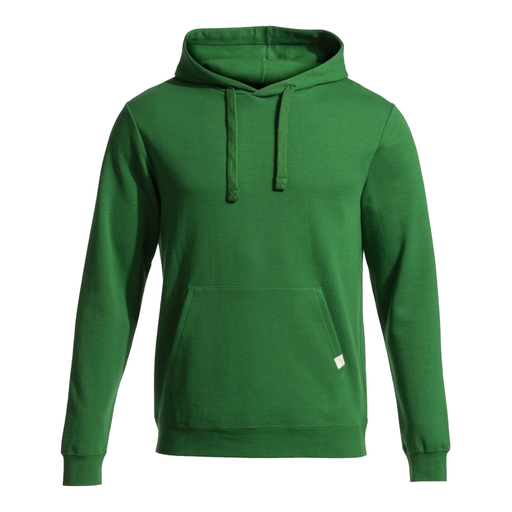
Why it suits this profile: The cotton-polyester blend, regular fit and kangaroo pocket make this hoodie suitable for relaxed days, light training and streetwear.
The composition and size XS are clearly stated. However, check your own body measurements before ordering.
60% cotton and 40% polyester; adjustable hood, elasticated hems and practical kangaroo pocket.

Why it suits this profile: For anyone looking for one jacket that can be adapted to changing conditions on walks or during everyday outdoor use.
The 3-in-1 construction makes your layering options clear. Check in advance which size leaves enough room for the inner jacket and additional clothing.
Outer layer and insulating inner jacket; according to the product description, GORE-TEX material and 550 fill power down insulation.
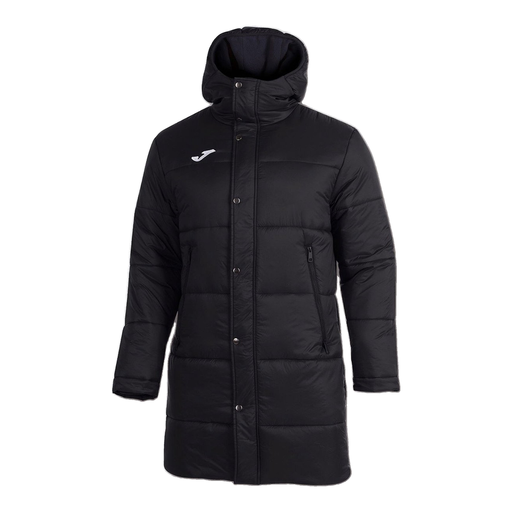
Why it suits this profile: A practical choice for cold, wet days, commuting and outdoor activities where pockets and an adjustable hood are useful.
The product information lists insulation, a waterproof outer layer and fleece lining separately. Check the label for care instructions and usage limits.
100% nylon according to the product specification; several pockets, adjustable cuffs and a regular fit.
We have put together a complete, up-to-date list of products that fully meet these strict selection criteria and the applicable European safety regulations.
Measure your chest, waist and, if necessary, hips using a flexible tape measure. Compare these measurements with the size guide for the specific product. When choosing jackets, allow room for an extra layer and check whether the size guide lists body measurements or garment measurements.
Use multiple layers. For example, wear a cotton hoodie or fleece sweatshirt under a jacket with wind and rain protection. For intensive outdoor use, information about seams, coating, ventilation and care is more important than simply the term “outdoor jacket”.
Follow the care label, use a suitable programme and avoid unnecessarily hot washes. Turn dark clothing inside out and fasten zips before washing. Only dry or reproof technical jackets in a special way if the product information permits it.
