
Vandaag of morgen in huis

Kwaliteit gegarandeerd

Welkomstaanbiedingen ontgrendelen: GRATIS bezorging | Tot 80% korting | Gratis 30 dagen JoyPlus-proefperiode
Download de app
Buying men’s clothing online seems straightforward – until a jacket can’t handle the rain, a pair of jeans comes up smaller than expected, or a jumper loses its shape after a few washes. Marketing terms like “all-weather”, “premium” and “technical” don’t tell you much when the product specifications are missing.
With this practical checklist, you can compare men’s clothing on the features that really matter in the UK: material, fit, care and intended use.
A water-repellent outer layer can shrug off light rain for a short time. That doesn’t automatically mean a jacket is suitable for prolonged downpours. Pay attention to the difference between water-repellent, water-resistant and waterproof. The seams, zips and cuffs also determine how much protection a jacket offers.
When checking a waterproof men’s jacket, look for details in the product description about taped seams, a waterproof membrane or a DWR finish. According to the product description, the Joma Iceland III features a water-repellent outer layer, while several The North Face models are described as using DryVent material.
A The North Face men’s jacket, Levi’s jeans or Calvin Klein men’s underwear can fit differently from one model to the next. A “regular fit” isn’t the same as a roomy fit, and a size label like L doesn’t give you an exact chest, waist or hip measurement.
Always check:
For example, the Levi’s 505 men’s jeans are noted as possibly coming up slightly small. If you prefer a looser fit, you can check the size guide and consider going up a size.
Clothing that can only be washed at a low temperature or can’t go in the tumble dryer requires more attention. This is especially important for men’s outdoor clothing, fleece, technical fabrics and garments with a water-repellent finish.
Read the washing instructions before you buy. Don’t use fabric softener on technical jackets if the product information advises against it. Incorrect care can affect the fit, colour or performance of a coating.
Cotton generally feels soft and breathable, but dries more slowly than polyester. Polyester and nylon are often used for men’s sportswear and jackets because of their low weight and easy care. A blend of cotton and elastane can offer more freedom of movement.
For cold days, it’s not just the thickness of the jacket that matters. Also look at:
A men’s winter jacket with insulation is suitable for colder conditions, but how warm you feel also depends on your layers, activity level and the fit.
A jacket for daily commuting can fit differently from one designed for hiking or skiing. For cycling, adjustable cuffs and a well-fitting hood are practical. For walking, you’ll want room for an extra layer.
With trousers, pay attention to the waist, hips, thigh and inside leg length. On a men’s jogger, a drawcord and elasticated cuffs are useful for an adjustable fit. For jeans, the combination of waist size and length is more important than just the letter size.
More pockets, ventilation zips or technical layers are only useful if you actually use them. A lightweight windbreaker can be enough for city use in spring. For prolonged rain or intensive outdoor activities, a waterproof outer layer and breathable construction are more relevant.
Always check claims in the product specifications. Statements about performance come from the brand or seller; don’t present them as a universal result for every user.
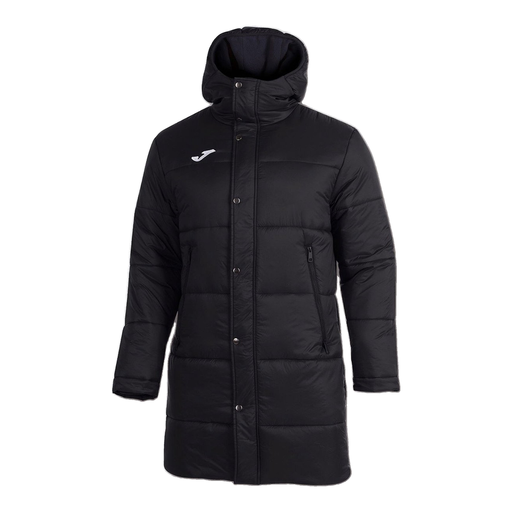
Why this fits the profile: This parka combines an insulated construction with an adjustable hood, cuffs and multiple pockets for everyday use in cold conditions.
The product information specifically mentions insulation, material and adjustable features, rather than just general winter terms.
100% nylon according to the product data, synthetic insulation, multiple pockets and a regular size M.

Why this fits the profile: The 3-in-1 system is designed for changing conditions: the outer shell and insulated inner layer can be worn separately or together, according to the product description.
The layering system lets you adapt your clothing to temperature and activity, rather than relying on one thick jacket for every scenario.
3-in-1 construction, GORE-TEX outer material according to the product data, 550 fill power down and adjustable cuffs.
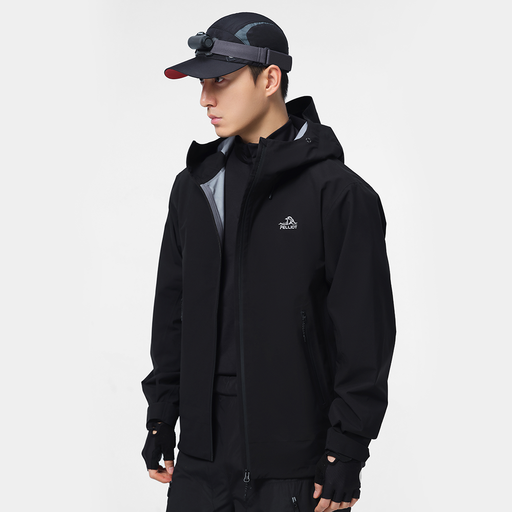
Why this fits the profile: The hardshell is described as being aimed at water sports, trekking and use in rain and wind, with a utility fit for movement and layering.
The specifications list waterproofing, wind resistance, breathable material and abrasion resistance separately. Always check the current product information.
Size M with a chest circumference of 116 cm according to the size guide, hardshell construction and advice to consider going up a size for thick mid-layers.
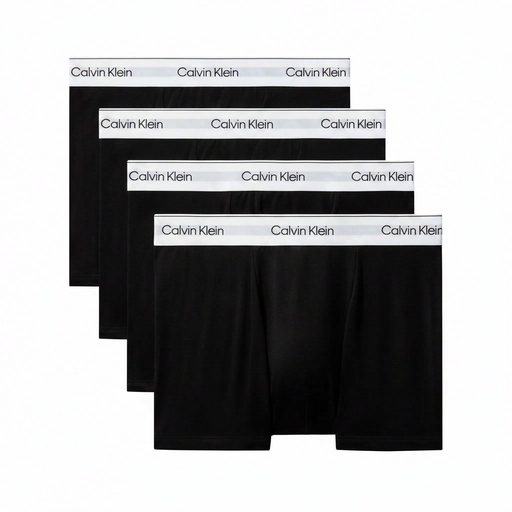
Why this fits the profile: A pack of three trunks is practical for everyday use and forms a simple base layer under jeans, a men’s polo shirt or a men’s hoodie.
The product data lists the material, waistband, colour and fit. This allows you to compare the model without relying solely on the brand name.
Pack of three, cotton with elastane according to the product information and machine washable. Not suitable for tumble drying according to the included care advice.
For a complete wardrobe, you can apply the same method to other men’s clothing:
We’ve put together a full, up-to-date list of products that fully meet these strict selection criteria and comply with current European safety regulations.
Measure your chest, waist, hips and, if needed, inside leg length with a tape measure. Compare these measurements with the size guide for the specific model. Don’t rely solely on a previous size, as fits vary between brands and collections.
A men’s winter jacket is generally focused on insulation and warmth. A rain jacket or hardshell is mainly designed for protection against rain and wind. In changeable weather, a layering system can be more practical than one very heavy jacket.
Follow the care label, don’t wash clothes at unnecessarily high temperatures, and only use products on technical fabrics that are suitable according to the product information. Air-dry jackets and jumpers if tumble drying isn’t recommended. Check zips and seams before storing a garment.
