
Vandaag of morgen in huis

Kwaliteit gegarandeerd

Welkomstaanbiedingen ontgrendelen: GRATIS bezorging | Tot 80% korting | Gratis 30 dagen JoyPlus-proefperiode
Download de app
When you search for men’s clothing online, you’ll quickly find hundreds of sweatshirts, hoodies, jackets, shirts and polo shirts. Brand names and appealing product photos help you make a first impression, but they don’t tell you everything about fit, fabric or care. Check the details carefully to avoid a disappointing purchase and find clothes that suit your daily routine, sports activities or time outdoors.
Sizes vary by brand, style and fit. A regular fit from one brand may be roomier than a slim fit from another. So don’t just look at the size label: check the chest, waist and sleeve measurements in the product size guide too.
Also look out for terms such as:
Words such as ‘warm’, ‘breathable’ or ‘waterproof’ are only useful if the product information also explains the fabric and construction. Check, for example, whether the item has fleece, a lining, sealed seams or a water-repellent finish.
For third-party products, performance claims come from the product description or the brand. For example, product information for certain The North Face jackets mentions DryVent construction and a DWR finish. This doesn’t guarantee that the jacket will keep you dry in every weather condition; how you use and care for it matters too.
A garment may feel comfortable but still need extra care. Some jackets shouldn’t be tumble-dried, while fleece garments may keep their shape better on a gentle wash cycle. Always check the care label and look for instructions on:
When choosing comfortable men’s clothing, the fibre composition is a practical place to start. Cotton generally feels soft and is often used for men’s sweatshirts, polo shirts and underwear. Polyester can help clothes hold their shape and dry more quickly. Elastane adds stretch, which is useful in slim-fit shirts or sportswear.
A blended fabric isn’t automatically better or less suitable. Think about how you’ll use the garment:
A product description may mention sustainability features. Treat this as information provided by the brand, and check which fibres are actually used and in what quantities.
Measure a well-fitting garment you already own and compare it with the size guide. For a jacket, check the chest and sleeve length, especially if you plan to wear a men’s sweatshirt or hoodie underneath. For trousers and underwear, waist measurement is more useful than the general clothing size alone.
Also check that the product shown matches the variant you’ve selected. Some items are available in several colours and sizes, while the product name may specify a particular version, such as black, navy or a certain size.
For everyday wear, a soft lining, elasticated cuffs and enough room to move are often more useful than eye-catching details. For sport, you’ll want to focus on weight, ventilation and moisture management. For outdoor activities, consider the hood, pockets, cuffs and protection from rain or wind.
With black men’s clothing, it’s also worth following the care instructions and washing dark colours separately. This helps reduce colour differences between garments.
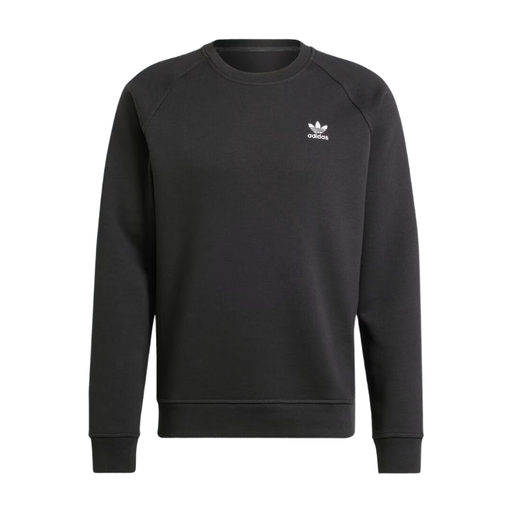
Why it suits this shopper: A black crew-neck sweatshirt for everyday wear, with a regular fit and fleece fabric for layering on cooler days.
The product information lists the fit, fabric composition and specific care instructions. This makes it easier to compare with other items than relying on the brand name alone.
70% cotton and 30% recycled polyester; ribbed neckline, cuffs and hem.
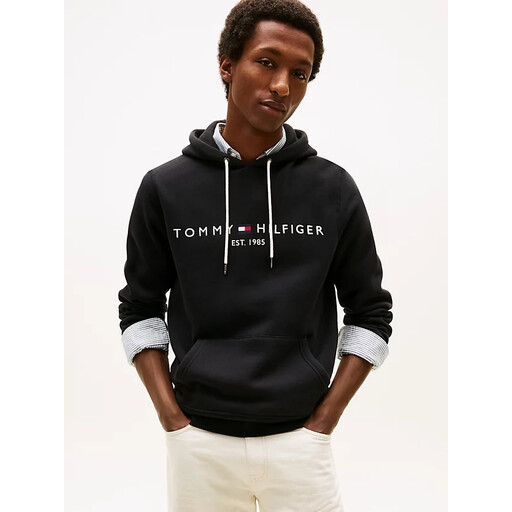
Why it suits this shopper: A good choice if you want to pair a recognisable brand style with a relaxed fit for commuting and leisure.
The size guide lists chest, waist and sleeve measurements. This helps you avoid mistaking a roomy fit for a size that’s simply too large.
72% cotton and 28% polyester; adjustable hood and kangaroo pocket.

Why it suits this shopper: A practical lightweight hooded jacket with pockets for running, training and outdoor use.
The product listing describes the fabric, seams, pockets, sizing and care. Always check the sewn-in label and the brand’s current guidance before use.
100% recycled polyester according to the product information; hood, chest pocket and zipped hand pockets.
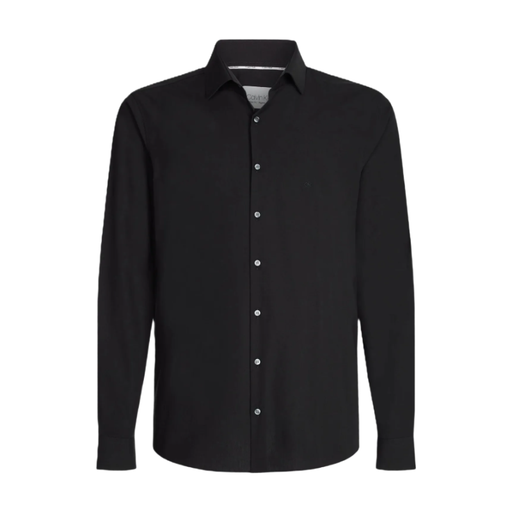
Why it suits this shopper: A black shirt that works for the office, dinner and casual outfits with jeans.
The product information specifies a slim fit, Kent collar and stretch fabric. So you’ll know in advance that this style isn’t designed to be a loose-fitting shirt.
Stretch poplin with cotton and elastane according to the product details; black colour and easy-care label.
We’ve put together a complete, up-to-date list of products that meet these strict selection criteria and the applicable European safety requirements.
Measure your chest, waist and, if needed, sleeve length, then compare these measurements with the size guide for the specific product. Check the fit, too. A slim-fit shirt calls for a different choice from a relaxed-fit hoodie. If you’re unsure, check the returns policy before ordering.
Cotton is a popular choice for T-shirts, men’s polo shirts, sweatshirts and underwear because it feels soft to wear. A cotton-polyester blend can be practical if you also want clothes to hold their shape and be easy to care for. Polyester fabrics are often used for men’s sportswear. The right choice depends on the activity, season and fit you’re looking for.
Follow the care label, wash dark clothes inside out and use mild detergent if recommended. Avoid high temperatures if the care instructions advise against them. Dry jackets and fleece garments as directed, and don’t iron directly over prints, logos or protective coatings. This helps reduce unnecessary wear and keeps the garment in shape for longer.
