
Vandaag of morgen in huis

Kwaliteit gegarandeerd

Welkomstaanbiedingen ontgrendelen: GRATIS bezorging | Tot 80% korting | Gratis 30 dagen JoyPlus-proefperiode
Download de app
A cap may seem like a simple purchase, but small differences in fit, fabric and care can determine whether you wear it often or leave it in the cupboard after a few weeks. If you’re looking for men’s caps, sports caps or men’s baseball caps, you’ll also come across plenty of terms that don’t always mean the same thing.
Keep an eye out for these three common pitfalls:
A universal size that still doesn’t fit properly
“One size” doesn’t mean the cap will feel comfortable on every head. Always check the stated head circumference in centimetres. A cap that’s too tight can feel uncomfortable when walking or running, while one that’s too loose may shift as you move.
Breathable fabric without clear ventilation
A lightweight fabric isn’t automatically breathable. Look for mesh panels, ventilation holes, an open design or a sweatband that wicks moisture away from your forehead.
Waterproof, sun-blocking or UV-protective claims without context
Check whether the product lists a specific rating, such as UPF 40+ or UPF 50+, and read the care instructions. A cap described as water-repellent or waterproof may perform differently in prolonged rain than in a brief shower.
Measure your head with a flexible tape measure, about one centimetre above your eyebrows. Many adjustable men’s caps fit head circumferences of around 56 to 60 cm, while some sports styles may also fit 57 to 65 cm.
Check the type of fastening:
A curved peak helps shield your eyes from bright light and glare. For running, make sure the peak doesn’t obstruct your vision when you move your head.
For sun-protective caps, the stated UPF rating is a useful product specification. For example, the Beneunder sports sun visor is listed as UPF 50+ in the product description, while certain TOP-EX models are rated UPF 50+ or UPF 40+.
These ratings come from the product specifications and shouldn’t be treated as a medical guarantee. The actual coverage also depends on the style: a wide peak shields more of your face than a short one. A cap with a neck flap covers more of your neck too, but may feel warmer.
For sport and running, lightweight synthetic fabrics, mesh and a moisture-wicking sweatband are practical choices. Cotton feels soft and works well for everyday wear, but generally takes longer to dry than polyester or nylon.
Check the care instructions too:
The recommendations below are based on the stated product specifications and intended use. Claims such as UV protection, a cooling effect or antibacterial properties come from the product description or the brand’s own information.
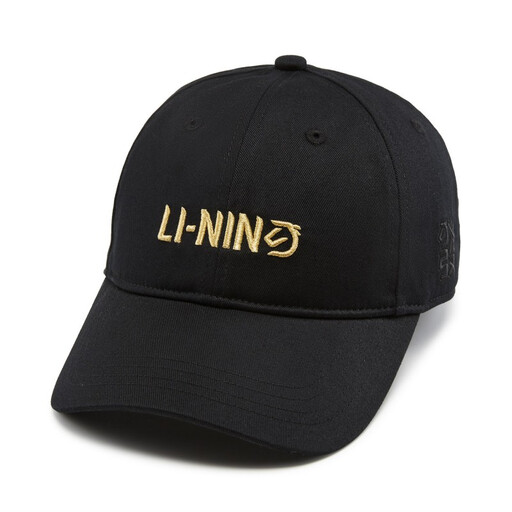
Why it suits this profile: An adjustable unisex baseball cap for everyday wear, walks and casual outfits. It adjusts to fit head circumferences of 56 to 60 cm.
The adjustable circumference means you don’t have to rely on a fixed size. Ventilation holes and a cotton sweatband are clearly listed features.
Cotton outer fabric, an adjustable fit and a soft design for regular everyday wear.
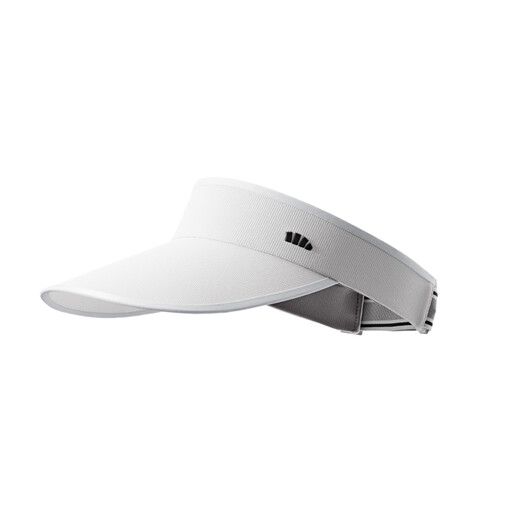
Why it suits this profile: Designed for long days outdoors, whether you’re walking, playing golf or travelling in sunny weather, with a wide peak and open crown.
The product description gives a size range of 58–62 cm and specifies a structured peak. This makes the fit and shape retention clearer than with a one-size cap that has no sizing details.
According to the product information: UPF 50+, a wide peak, cooling fabric and a removable shaped sweatband.

Why it suits this profile: For fishing, kayaking, walking and other outdoor activities where extra coverage and an adjustable fit are useful.
Head circumference is catered for across M/L, L/XL and XL/XXL sizes. The detachable neck flap lets you adjust the coverage to suit the activity.
According to the product description: nylon, UPF 50+, a packable design, an adjustable drawcord and a detachable neck flap.
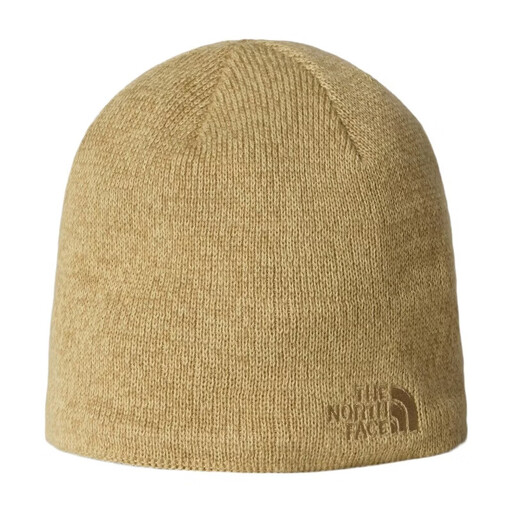
Why it suits this profile: A flexible unisex winter hat for cycling, travelling and everyday wear in cool weather.
The product information specifies a deep, folded fit and several sizes. Check your head circumference before ordering.
Knitted construction, a folded cuff and, according to the product description, 95% recycled polyester.
We’ve put together a complete, up-to-date list of products that meet these strict selection criteria and the applicable European safety regulations.
Use a flexible tape measure and measure around your head, just above your eyebrows and ears. Note the measurement in centimetres and compare it with the size chart for the specific style. If you’re unsure, only choose a larger size if the cap has an adjustable fastening or drawcord.
Its lifespan depends on how often you wear it, exposure to sweat and sunlight, and how you care for it. A cap worn regularly for running or walking will take more wear than one used occasionally for everyday wear. Follow the care label, leave the cap to air-dry and store it somewhere dry. A firm peak and hard-wearing fabric can be practical, but they don’t guarantee a specific lifespan.
It depends on the design. A waterproof or water-repellent outer fabric can help in light rain, while a breathable mesh cap offers more airflow during exercise. So consider whether you mainly need rain protection, ventilation or a combination of the two.
