
Vandaag of morgen in huis

Kwaliteit gegarandeerd

Welkomstaanbiedingen ontgrendelen: GRATIS bezorging | Tot 80% korting | Gratis 30 dagen JoyPlus-proefperiode
Download de app
Headwear seems like a simple purchase until you take it hiking, cycling or travelling. A cap can feel too tight, a beanie can quickly lose its shape, and a style described as waterproof in the product title won’t necessarily be suitable for prolonged rain. So when comparing men’s caps and beanies, it’s worth looking beyond colour, logos and discounts.
Terms such as “sunblock”, “UV protection” and “waterproof” catch the eye. Always check which technical rating is actually given. For example, a UPF 50 cap and a cap rated UPF 40+ have different stated protection ratings. According to TOP-EX’s product information, the nylon style has a UPF 50+ rating, while the linen version is rated UPF 40+.
A protection rating also doesn’t mean that every part of your head or neck is fully covered. The shape of the peak, whether there’s a neck flap, and how you wear the cap all matter.
A men’s cap without clear sizing information can slip out of place when you’re walking or exercising. Check the head circumference in centimetres and measure just above your ears. An adjustable cap with a drawcord gives you more flexibility, but the adjustment mechanism can still feel uncomfortable if you choose a cap that’s too small.
For men’s winter beanies, the difference between a close fit and a roomier style matters too. A deep beanie covers more of your head, while a thinner style fits more easily under a hood.
A breathable cap feels comfortable in warm weather, but breathable fabric isn’t automatically waterproof. Linen can feel light and airy, while nylon may be more practical for activities where you’re likely to encounter splashes or rain. Check the care instructions too. Some men’s sports caps can be washed, while others should only be cleaned by hand.
Measure your head with a flexible tape measure, about 2.5 centimetres above your eyebrows and ears. Compare the result with the brand’s size guide. As a guide:
A men’s low-profile baseball cap fits differently from a flat cap or a deep knitted beanie. Choose based not only on size, but also on how much coverage you want.
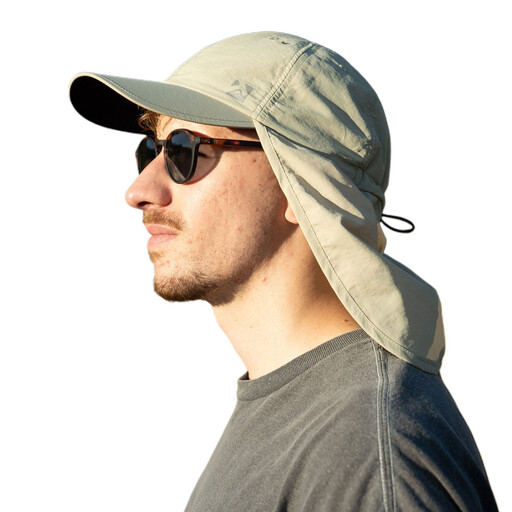
For sunny walks, fishing or boating, a cap with a neck flap can offer more coverage than a standard baseball cap. Look out for:
According to TOP-EX’s own product information, the army-green style has a nylon outer, UPF 50+ protection, a detachable neck flap and a packable design. On paper, that makes it suitable for activities such as kayaking, fishing and walking. The protection you get in practice depends on how you use it, how it fits and the conditions.
A breathable cap with mesh or a sweatband that wicks moisture away from your skin can feel comfortable during exercise. According to Under Armour’s own product information, the Sportstyle cap features a HeatGear sweatband and a stretchy construction. These are product features stated by the brand; they don’t guarantee that every wearer will have the same experience.
For men’s winter beanies, softness, stretch and coverage matter more than ventilation. The North Face describes several styles as being made with recycled polyester fibres. Check the care label on each item, as washing temperatures and drying methods can vary between styles.
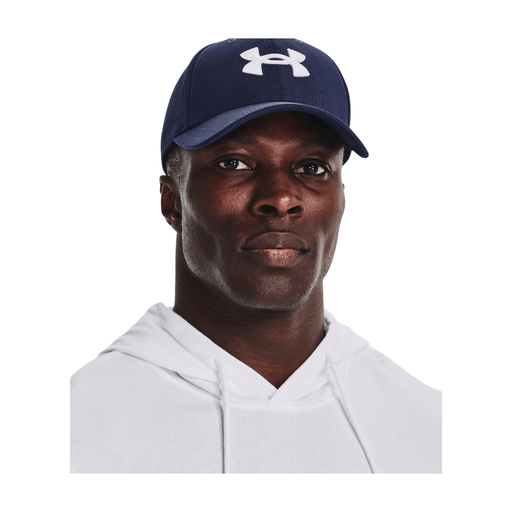
Why it suits this profile: A familiar baseball cap for everyday wear, light training and short outdoor activities. According to the product information, size M/L fits a head circumference of 55,9–59,1 cm.
The size guide gives specific head circumferences rather than simply saying “one size”. The brand also recommends hand-washing and laying it flat to dry.
100% polyester, a low-profile fit and a HeatGear sweatband that the manufacturer says helps manage moisture.
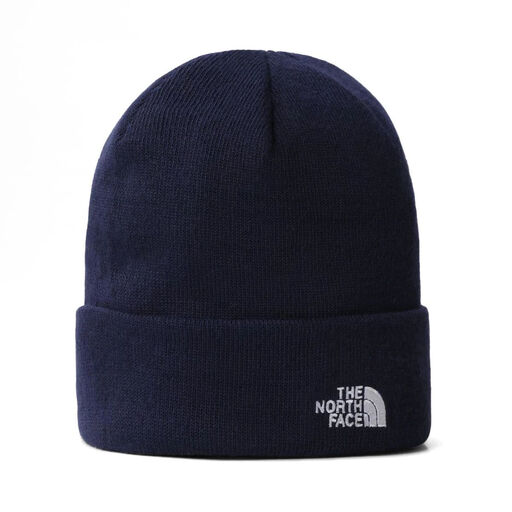
Why it suits this profile: A knitted beanie for city wear, travelling and walks. According to the description, you can wear it pulled up or with the brim turned back.
The product information specifies a deep fit and several size options, so you don’t have to rely solely on a general one-size claim.
Made from 95% recycled materials according to the product description; easy to pack away.

Why it suits this profile: Designed for fishing, kayaking, walking and other activities where you may encounter sun and splashes.
The product information specifies sizes for 57–65 cm, a detachable neck flap and hand-washing. This gives you clearer information about fit, use and care.
According to the product information: UPF 50+, packable, nylon and at least 50% recycled materials.
Why it suits this profile: A lightweight option for golf, walking, travelling or events in warm weather, when ventilation matters more than complete rain protection.
The product description gives a weight of approximately 74,5 grams, an adjustable inner band and specific sizes. The stated sun protection is UPF 40+, not UPF 50+.
100% linen according to the product information, cotton lining, drawcord fastening and machine-washable care instructions.
We’ve put together a full, up-to-date list of products that meet these strict selection criteria and the applicable European safety regulations.
Use a flexible tape measure and position it just above your ears and eyebrows. Note the circumference in centimetres and compare it with the size guide. If you’re between sizes, an adjustable cap may be more practical, as long as the stated size range includes your head measurement.
“Waterproof” and “water-repellent” don’t automatically mean the same thing. Check the exact product description, the material and the care instructions. A cap described as waterproof may be suitable for rain, but the seams, peak and neck flap can all affect its overall protection. Treat the claim as a product specification, not a guarantee for every weather condition.
How long it lasts depends on how often you wear it, exposure to sweat and sunlight, washing and storage. Follow the care label, avoid using a hot tumble dryer if it isn’t permitted, and let your cap or beanie dry completely before putting it away. A well-fitting style is generally less likely to lose its shape through pulling or frequent adjustment.
