
Vandaag of morgen in huis

Kwaliteit gegarandeerd

Welkomstaanbiedingen ontgrendelen: GRATIS bezorging | Tot 80% korting | Gratis 30 dagen JoyPlus-proefperiode
Download de app
Buying a hat seems simple, until a cap feels too tight, a beanie slips down or a summer hat loses its shape at the first sign of rain. If you’re looking for men’s caps and beanies, you’ll also come across plenty of marketing terms. A good choice starts not with colour or brand, but with how you’ll use it, how it fits and what the product specifications actually say.
Terms such as UPF 50 cap or ‘sunblock’ sound straightforward, but always check which parts of the product offer protection. UPF relates to the fabric and doesn’t automatically mean that your neck, ears or the sides of your head are fully covered too. For outdoor activities, a wide brim or detachable neck flap can make more practical difference than a number on the label alone.
A waterproof cap can be useful in a shower, but check the material, seams, fastening and ventilation. A product description may mention water resistance without saying what conditions it was tested in. So don’t automatically treat a lightweight, packable outdoor cap as a replacement for a rain hat in prolonged wet weather.
A men’s beanie is often stretchy, but that doesn’t mean every one-size style will feel comfortable. Head circumference matters even more with a baseball cap or flat cap. Measure your head with a soft tape measure, horizontally just above your eyebrows, then check the size chart. Check the depth too: a deep beanie may feel warmer, while a shallow cap may be more likely to come loose in the wind.
Choose an adjustable fastening if several people will wear the cap or if you need extra security when walking or cycling. A drawcord, buckle or elastic Flexfit band each works differently:
For example, some Urban Classics Flexfit models are available for head circumferences of around 53 to 65 cm, depending on the size. Always check the specific version, as S/M and L/XL differ considerably.
For warm days, linen, cotton and mesh are good options thanks to their light weight and airflow. A men’s linen flat cap works well for everyday wear, travel or a smart summer outfit. Do check the exact composition, though. Product titles and descriptions can sometimes differ; some models are described as linen in the title, while the specifications list a nylon outer layer.
Acrylic, polyester and recycled fibres are common materials for winter. A knitted men’s beanie will generally cover your ears better than a thin cap. According to the product information for several The North Face beanies, some models are made from recycled polyester, nylon and elastane. Check the product label for the final composition and washing instructions.
A standard men’s baseball cap mainly protects your face from direct sunlight. For walking, fishing or gardening, a cap with a neck flap may be more practical. If you’re often in open areas or by the water, look for a chin strap or drawcord too. A wide brim provides more shade, but may affect visibility and how easy the hat is to pack away.
With a men’s sun hat carrying a UPF rating, it’s worth checking whether the brim goes all the way around. According to PELLIOT’s own product information, the yarn used is said to offer UPF 50+ and block at least 92% of UV rays. This is a brand claim; treat it as information from the manufacturer and also follow normal precautions when spending long periods in the sun.
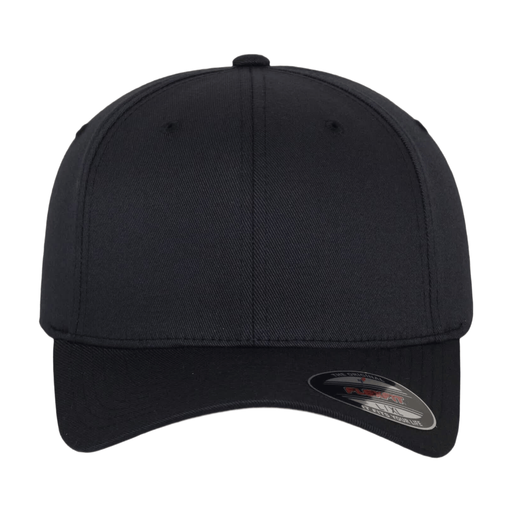
Why it suits this profile: A simple baseball cap for everyday wear, sport and casual outfits. The elastic Flexfit band means there’s no need for a loose adjustable buckle.
The size chart lists head circumferences, so you don’t have to rely on ‘one size’ alone. Ventilation eyelets help air circulate.
63% polyester, 34% cotton and 3% elastane; curved peak, with sizes from S/M to larger options.
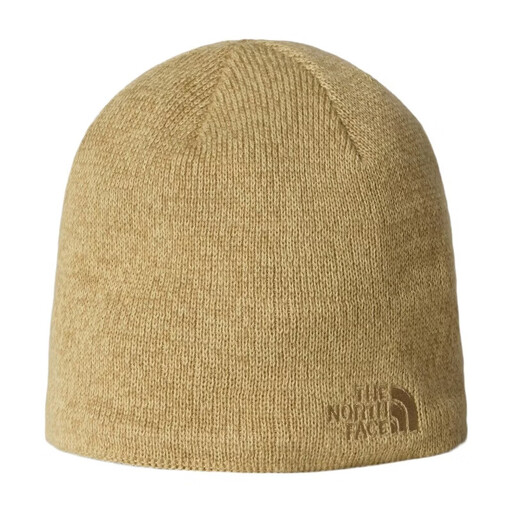
Why it suits this profile: A knitted men’s winter beanie for commuting, city wear and cool-weather outdoor activities.
The description mentions a classic cuff and stretchy knitted fabric. Check the exact size and label before ordering.
Classic cuff style; according to the product information, it’s suitable for everyday wear and easy to take with you.

Why it suits this profile: Designed for fishing, walking, kayaking and other activities where sun, wind and light rain are a factor.
The detachable neck flap offers an alternative to the coverage of a standard cap. The adjustable fastening is designed for head circumferences from 57 to 65 cm.
According to the product description: 100% nylon, UPF 50+, foldable and fitted with breathable mesh. This model is hand-washable.
For a lightweight summer cap, the TOP-EX beige linen flat cap is worth considering if you’re after a classic style. The product information lists 100% linen, a cotton lining, a weight of around 75 grams and UPF 40+. Check the care label and exact composition when it arrives.
If you want a wide brim and extra security, take a look at the TOP-EX outdoor cap with UPF 50+. The description lists an 8 cm brim, mesh side panels, a chin strap and a weight of around 89 grams. These features work well for travel, gardening and outdoor activities, but water resistance shouldn’t be mistaken for prolonged protection from heavy rain.
We’ve put together a complete, up-to-date list of products that meet these strict selection criteria and the current European safety requirements.
Choose a knitted beanie with a cuff that covers your ears, and check that the material is stretchy enough for your head circumference. For more vigorous activity, breathable material may be more comfortable than a very thick lining. A beanie isn’t automatically windproof, so check the specific product information.
Always follow the care label. Hand-washing is often safer for a cap with a peak or neck flap. Leave it to dry flat or on a suitable form, and avoid high temperatures if the peak is reinforced. A beanie is usually easier to wash, but it can still shrink or lose its shape.
Choose a waterproof cap if you’re often outdoors in changeable weather and need a synthetic outer layer with an adjustable fastening. For everyday wear in town, mainly in dry weather, a cotton or Flexfit style may be more comfortable and easier to coordinate. Whichever option you choose, check the ventilation and fit, and be aware of the difference between protection from light rain and full waterproofing.
