
Vandaag of morgen in huis

Kwaliteit gegarandeerd

Welkomstaanbiedingen ontgrendelen: GRATIS bezorging | Tot 80% korting | Gratis 30 dagen JoyPlus-proefperiode
Download de app
A men’s beanie might seem like a simple purchase, but small differences can determine whether you wear it every day or leave it in the wardrobe after a few outings. A beanie can feel too tight, lose its shape quickly or be unsuitable for the weather you bought it for. A peaked cap is sometimes sold as a winter accessory too, even though it offers less protection from cold winds.
So don’t focus only on colour or brand. Pay particular attention to the material, sizing, coverage and care instructions. Below, you’ll find what to look for in a warm men’s beanie, a winter beanie, an outdoor beanie or a cap for everyday wear.
A one-size beanie usually has a flexible construction, but that doesn’t mean it will fit every head in the same way. Check whether the product information gives a head circumference. For example, several The North Face models list sizes around 56.5, 57.8 and 59 cm.
A beanie that’s too small can feel tight around your forehead. One that’s too large may not sit securely over your ears and could slip while you’re cycling or walking. Measure your head with a soft tape measure, just above your eyebrows and ears.
A thick knitted beanie isn’t automatically suitable for strenuous activity. When walking, skiing or snowboarding, a very warm beanie can start to feel stuffy. A fleece beanie or lightweight knit may be more practical, especially if you’re moving around a lot.
Consider coverage too. A turn-up cuff may cover your ears better than a shorter style. A deep-fit beanie offers more coverage, but may sit more loosely on some head shapes.
Materials respond differently to washing and drying. Some synthetic styles can go in the washing machine, while a cap such as the Skechers Quilted Diamond Cap must only be hand-washed, according to the product information. Washing it incorrectly could damage its shape, colour or elastic parts.
So always check the care label. If the instructions don’t allow tumble drying, it’s best to leave your beanie to air-dry.
A knitted beanie made from acrylic or polyester is often flexible and easy to carry. Product information for various The North Face models lists acrylic or recycled polyester. The Classic Tuke Ski Beanie, for example, is listed as having an outer made from 100% recycled polyester.
A fleece beanie usually feels soft and is practical for outdoor activities. Check whether the product page includes details about the lining, wind protection and fit. The available product description for the PELLIOT Outdoor Warm Fleece Hat is limited, so base your choice on the listed design and check the latest specifications on the product page.
Polyester is lightweight and often used in sports accessories. A high proportion of recycled material may be relevant if you’re looking for a sustainable beanie, but it doesn’t tell you anything by itself about the product’s lifespan or overall environmental impact. Consider the care instructions and construction too, as well as how often you’re likely to use it.
Look out for these three things:
An elastic band or stretch knit can feel comfortable, but check whether the beanie comes in different sizes. The North Face styles are available in sizes including S/M, L/XL and one size. The Urban Classics Flexfit Cap size chart ranges from 53 to 65 cm, allowing you to choose more precisely than with a standard one-size beanie.
A simple winter beanie may be enough for your daily commute. For skiing or snowboarding, good ear coverage, a secure fit and minimal bulk are important. A ski beanie with a pom-pom or prominent logo may also be less practical under a helmet, so check whether the style is suitable for wearing under your gear.
A cap is a different type of headwear. The peak on a men’s cap helps shield your eyes from low sun and glare, but doesn’t fully cover your ears. A cap is therefore best suited to mild weather, everyday wear or sports where ear coverage isn’t essential.
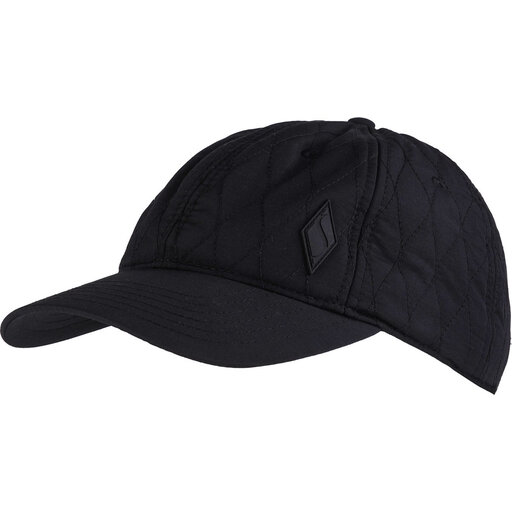
Why it suits this profile: This black cap with flaps is designed for adults and intended for everyday wear, fashion and sport. The snap closure lets you adjust the fit.
The adjustable closure means you don’t have to rely on “one size” alone. Do check the care label, though: the product information recommends hand-washing.
Polyester main material, black colour, adjustable snap closure and a peaked-cap design.
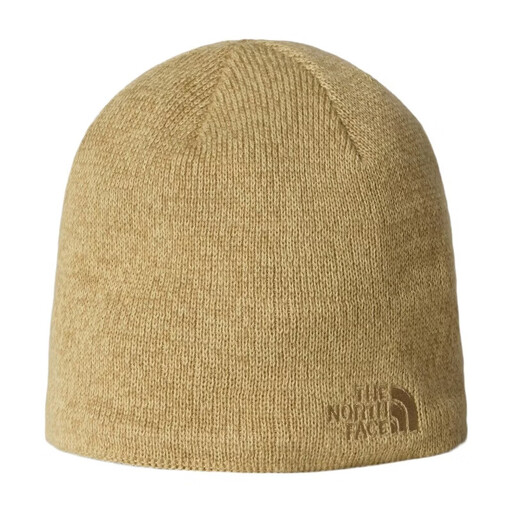
Why it suits this profile: According to the product information, this classic cuffed beanie has a soft knitted construction and stretch. Its neutral colour works well with everyday and casual outdoor clothing.
The flexible construction reduces the risk of a rigid fit. Check the current size options before buying if your head doesn’t measure around 57.8 cm.
Classic cuffed style, soft knit construction, acrylic yarn and a flexible fit.
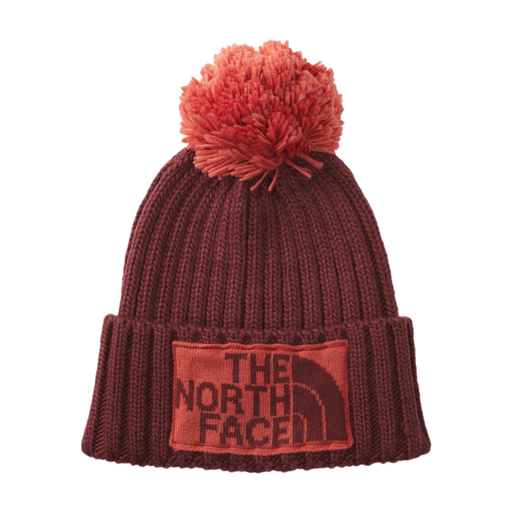
Why it suits this profile: According to the product information, this style is designed for lifestyle wear, walking, skiing, snowboarding and ski touring. Its deep fit and cuff are designed to provide full coverage.
The listed head sizes, from 53.3 to 59.7 cm, give you a clearer guide than a general one-size label. Check how it fits under a helmet.
Outer made from 100% recycled polyester, deep fit, cuff and designed for skiing and snowboarding.
We’ve put together a complete, up-to-date list of products that meet these strict selection criteria and the applicable European safety regulations.
Measure around your head with a soft tape measure, just above your eyebrows and ears. Compare the result with the size chart for the specific style. With a one-size beanie, it’s especially important to check which head circumference the manufacturer recommends.
Not necessarily. Warmth depends on the material, thickness, construction, cuff and ear coverage. A knitted beanie may suit everyday wear, while fleece is often practical for active outdoor pursuits. Always check the product specifications and choose according to how you plan to use it.
Its lifespan depends on how often you wear it, friction, washing and drying. Follow the care label, avoid washing it in unnecessarily hot water and let it dry completely before putting it away. When buying, check the material composition and seams too; these tell you more than a general claim about sustainability.
