
Vandaag of morgen in huis

Kwaliteit gegarandeerd

Welkomstaanbiedingen ontgrendelen: GRATIS bezorging | Tot 80% korting | Gratis 30 dagen JoyPlus-proefperiode
Download de app
Choosing the right men's athletic shoes can feel like navigating a maze. Brands make lofty promises with flashy marketing, but the wrong choice often leads to discomfort, injuries, or simply money down the drain. Many athletes fall into the same traps: they buy one pair of shoes for all activities or fall for a design without looking at the specifications.
Before you make a decision, it's wise to understand the most common missteps:
To avoid a bad purchase, focus on the technical details that truly count. By checking these three key areas, you can make an informed choice.
The outsole determines the shoe's grip and is specifically designed for a particular surface. Pay close attention to the following terms:
The midsole is the engine of the shoe. It contains the cushioning that absorbs shock and the stability that supports your foot.
The material of the shoe's upper determines its comfort, support, and durability.
Below are a few models that are well-suited for specific athletes, based on their product features.
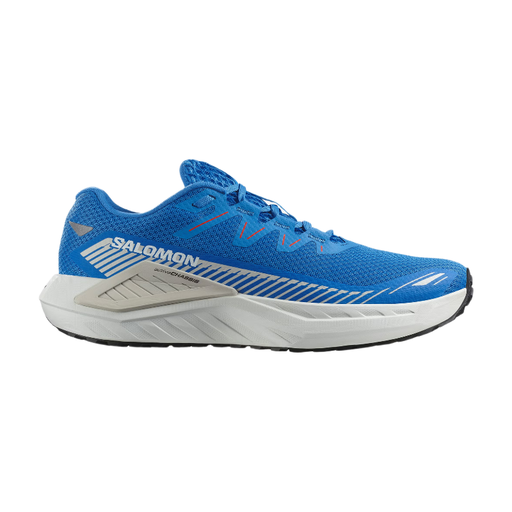
Why This Fits Their Persona: This shoe is built for the runner who loves to venture off the beaten path. It's perfect for gravel paths, forest trails, and mixed terrain where grip and stability are non-negotiable.
This is not a generic running shoe. The All Terrain Contagrip outsole is specifically designed for unpredictable surfaces, helping you avoid the pitfall of insufficient grip.
The responsive EnergyFOAM midsole provides cushioning and energy return. The SensiFit technology ensures a snug, customised fit.
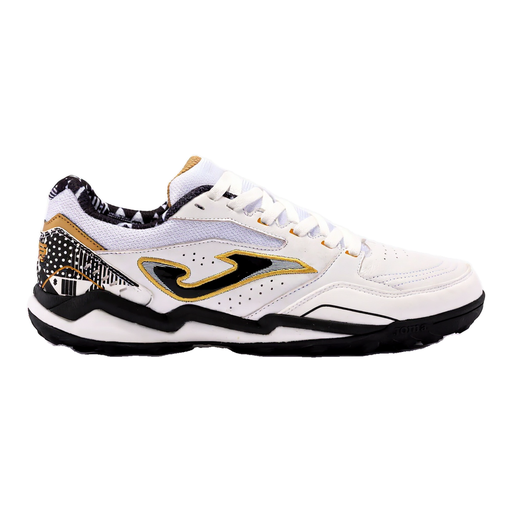
Why This Fits Their Persona: For the footballer who plays on artificial grass week in, week out. This shoe is engineered for the grip and ball control needed on synthetic pitches, for both training and matches.
This shoe features a multi-stud rubber sole (TF), specifically for artificial grass. This prevents the mistake of playing with the wrong studs, which reduces grip and increases the risk of injury.
The leather upper provides an excellent feel for the ball. The dual-density midsole offers a combination of cushioning and stability, ensuring comfort throughout the entire match.
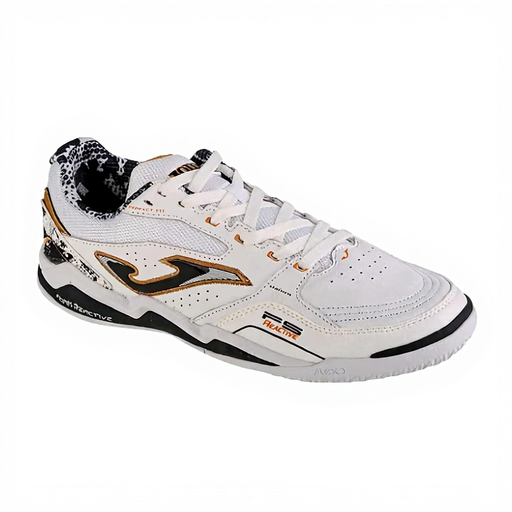
Why This Fits Their Persona: Designed for the fast, technical player on hard indoor courts. This shoe provides the grip and lightweight feel needed for quick turns and explosive plays in the hall.
The IN (Indoor) sole is made of non-marking rubber, which is essential for use in sports halls. This avoids the classic mistake of using outdoor shoes that leave marks or provide insufficient grip.
According to Joma, the "Reactive" sole technology is designed for enhanced grip and responsiveness. The light weight and breathable upper help reduce foot fatigue.
Didn't quite find what you were looking for? We have a comprehensive and up-to-date selection of products that meet these strict selection criteria and quality standards.
A general guideline is to replace running shoes after 300 to 500 miles (500 to 800 kilometres). However, this depends heavily on your running style, weight, and the surfaces you run on. A clearer sign is when you notice the cushioning feels less responsive, the outsole is visibly worn, or if you start experiencing minor aches and pains after a run.
Yes, a very important one. Boots for real grass (FG, Firm Ground) have longer, often moulded studs for grip in soft ground. Boots for artificial grass (AG, Artificial Ground, or TF, Turf) have more and shorter studs to distribute pressure better and prevent you from getting 'stuck' in the synthetic turf. Using FG boots on artificial grass is strongly discouraged.
You can, but it's not ideal. Trail running shoes have a stiffer sole and a heavier, more aggressive tread for grip on uneven terrain. On asphalt, this can feel uncomfortable, and the outsole will wear down much faster. For regular road running, dedicated men's running shoes with a more flexible sole and better cushioning are a much better choice.
