
Vandaag of morgen in huis

Kwaliteit gegarandeerd

Welkomstaanbiedingen ontgrendelen: GRATIS bezorging | Tot 80% korting | Gratis 30 dagen JoyPlus-proefperiode
Download de app
Finding the right athletic shoes can be a minefield. Brands promise everything, from explosive performance to unparalleled comfort. But how can you be sure you're investing in a shoe that truly suits your sport and body, rather than just paying for clever marketing? Many men fall into the same traps, resulting in discomfort, injuries, or simply wasted money.
Before you make a choice, it's wise to understand the most common missteps:
You don't need to be a materials scientist to make an informed choice. By focusing on a few core specifications, you can easily filter through the options.
The sole is the shoe's foundation, determining its interaction with the ground. The differences are vast and essential for performance and safety.
Cushioning absorbs impact during exercise. The amount and type of cushioning depend on the activity.
The upper holds your foot in place. Its material determines comfort and lifespan.
To get you started, we've matched several models to specific athlete profiles. These selections are based on their product specifications and intended use.
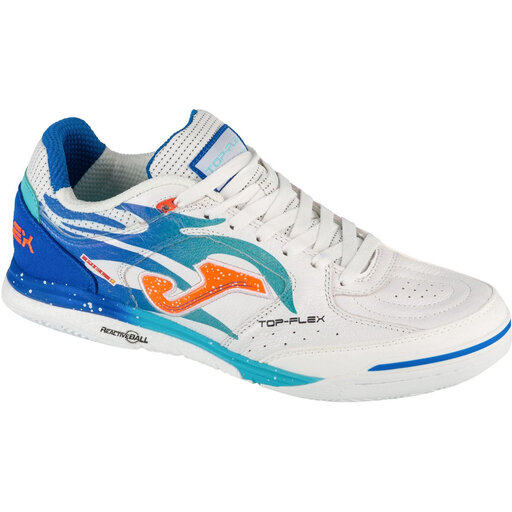
Why This Fits Their Persona: This athlete plays futsal or another indoor sport and needs agility, ball feel, and grip. Speed and short, explosive movements are essential.
This shoe is specifically designed for indoor use. The non-marking rubber sole avoids the pitfall of using the wrong shoe for the surface, providing the right grip without damaging the floor.
According to Joma, the Rebound technology in the midsole provides extra energy return. The flexible construction and reinforced toe are geared towards agility and durability.
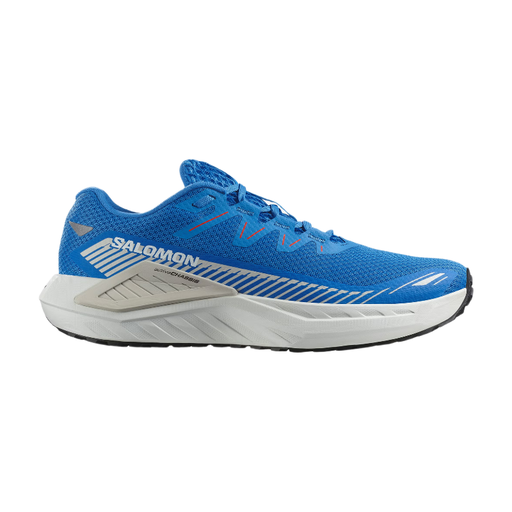
Why This Fits Their Persona: This runner tackles unpaved trails and needs a shoe that offers grip, protection, and comfort on varied terrain like gravel, forest paths, and rocky surfaces.
This shoe is the opposite of a 'jack-of-all-trades'. The All Terrain Contagrip outsole is specifically developed for grip on unpredictable surfaces, an area where a standard running shoe falls short.
The combination of a high-traction sole and a responsive EnergyFOAM midsole offers both traction and cushioning. The mesh upper is designed for ventilation and durability.
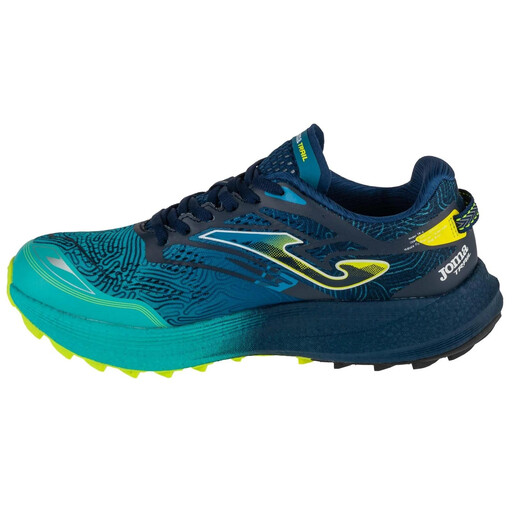
Why This Fits Their Persona: This man is active but not necessarily focused on one sport. He's looking for a reliable shoe for daily workouts, a walk in the woods, or light trail adventures, without compromising on comfort.
This shoe avoids the trap of an overly specific design. It combines a sole with good traction with a comfortable, breathable upper, making it more functional than a pure fashion sneaker.
The shoe offers a balance between cushioning for comfort and a robust sole for grip on various surfaces. The reinforced toe and heel provide extra protection and durability.
The right shoes are the foundation of any athletic activity. For comfort and performance in varying conditions, the rest of your apparel is just as important. Consider, for example, a functional men's fleece vest for training on colder days. A good vest provides warmth without sacrificing freedom of movement and breathability.
We have compiled a complete, real-time list of products that fully satisfy these strict selection criteria and UK safety regulations.
1. How do I know what size sports shoe I need? Your athletic shoe size may differ from your regular shoe size. Feet often swell slightly during exercise. A good rule of thumb is to try on shoes at the end of the day and ensure there is about a thumb's width of space between your longest toe and the front of the shoe. Always check the specific brand's sizing guide, as fits can vary.
2. How long do specialised sports shoes like trail running shoes last? The lifespan depends on the frequency, intensity, and terrain. For running shoes, a general guideline of 500 to 800 kilometres (300 to 500 miles) is often used. With trail running shoes, the wear on the outsole can be a good indicator. If the tread is noticeably worn down or the cushioning feels 'flat', it's likely time for a new pair.
3. Can I use indoor football shoes outside? This is strongly discouraged. The soles of indoor sports shoes are made of a softer rubber for grip on smooth indoor floors. These soles will wear down extremely quickly on outdoor surfaces like asphalt or concrete. Furthermore, they provide insufficient cushioning and no grip on unpaved or wet surfaces, increasing the risk of slipping and injury.
