
Vandaag of morgen in huis

Kwaliteit gegarandeerd

Welkomstaanbiedingen ontgrendelen: GRATIS bezorging | Tot 80% korting | Gratis 30 dagen JoyPlus-proefperiode
Download de app
Menopause does not call for the same supplement for every woman. One person may primarily be looking for vitamin D3 and calcium to support bones and muscles, while another may prefer a formula with botanical ingredients to address hot flashes and night sweats. A third may simply want a menopause multivitamin to complement their daily diet.
The right choice therefore starts not with a prominent promise on the packaging, but with the ingredients, dosage and your personal circumstances.
Products containing eight or ten ingredients may appear comprehensive, but always check how much of each ingredient is provided per recommended daily serving. Health claims for botanical extracts are also not always definitively established. For example, Ymea states that claims relating to sage, maca, cayenne and artichoke are still awaiting European approval. Do not therefore interpret such claims as guaranteed effects.
A menopause multivitamin may already contain vitamin D, calcium, zinc or vitamin B6. If you combine it with a separate menopause supplement without comparing the labels, your total intake may rise unnecessarily. Pay particular attention to the reference intake (RI) and the recommended daily amount.
Botanical ingredients such as sage, maca, black cohosh, wild yam and green tea may be included in a formula, but they are not suitable for everyone. According to the product information, some ingredients may interact with medicines. Ymea, for example, warns of possible interactions between sage and certain medicines. According to the packaging, Lucovitaal Post Menopause Balance is not suitable for people taking coumarin derivatives such as acenocoumarol and phenprocoumon.
If you take medication, have a medical condition or are under medical supervision, discuss the product with your doctor or pharmacist first.
Do not compare only the number of tablets in a package; focus primarily on the composition per recommended daily serving. Examples from the available range include:
These figures make it clear that a multivitamin does not automatically provide the same amount of calcium or vitamin D as a dedicated calcium product.
A supplement only works as intended when you use it according to the label. Effervescent tablets are convenient if you prefer not to swallow capsules. Chewable tablets can be practical when you are on the go, but may contain sweeteners. Lucovitaal Calcium 500 mg + D3 states that excessive consumption of the sweeteners may have a laxative effect.
Also check the dosage: some products require one tablet per day, while others specify two capsules or tablets. A package containing 180 tablets does not mean that you may increase the recommended dose.
Women following a vegan diet have several options with a vegan designation, including Lucovitaal Calcium & D3, Lucovitaal Post Menopause Balance and Lucovitaal Multi 50+. Ymea states that its capsules are suitable for vegetarians and free from gluten, lactose and gelatin.
Also pay attention to ingredients you may wish to avoid. According to the product information, VALDISPERT Menopause Complete contains green tea extract and approximately 45 mg of caffeine per daily serving. The advice is not to take it on an empty stomach or at the same time as other green tea products.
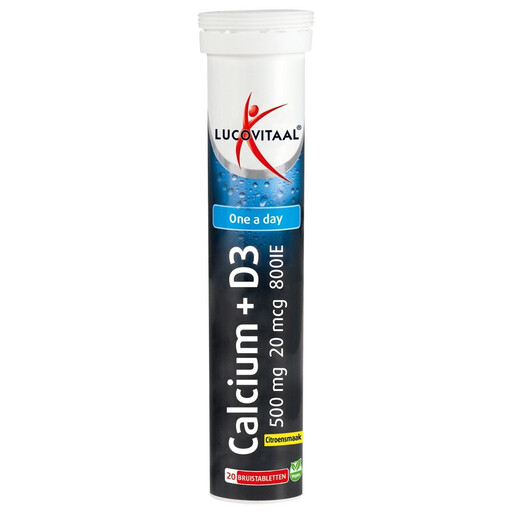
Why it may be a good fit: A straightforward choice for anyone looking to add targeted calcium and vitamin D3 without a broad blend of botanical extracts.
The amounts of calcium and D3 are clearly stated per effervescent tablet. This lets you compare with precision rather than paying for ingredients you are not looking for.
500 mg of calcium and 20 mcg of vitamin D3 per tablet; vegan and sugar-free according to the product information; lemon flavour.
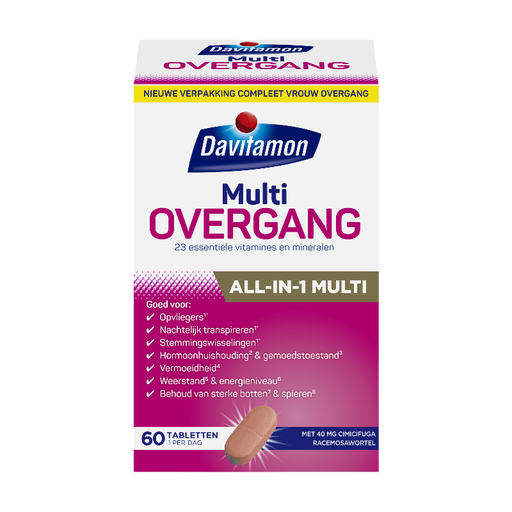
Why it may be a good fit: Suitable for women looking for one daily tablet containing a range of vitamins and minerals to support general wellbeing.
The product information lists individual amounts per tablet. This allows you to check which nutrients are already included before adding extra menopause vitamins.
Includes B vitamins, vitamin C, D3, calcium, magnesium, zinc and selenium, among other nutrients; vegetarian according to the product description.
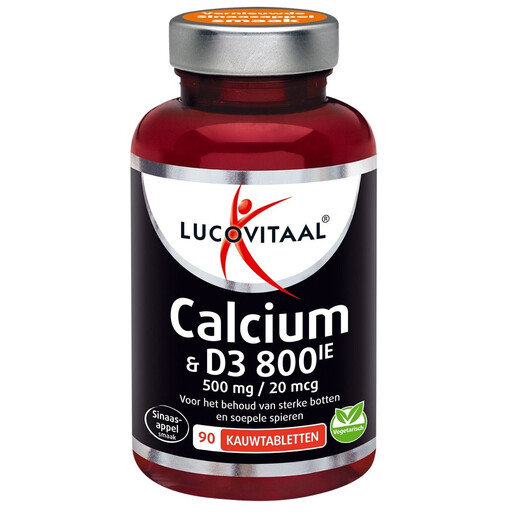
Why it may be a good fit: A practical option for women aged 50 and over who prefer chewable tablets and want to manage their calcium and D3 intake specifically.
The directions specify one to two tablets per day. This allows you to align your intake with your existing diet and other supplements without increasing the dosage yourself.
500 mg of calcium and 20 mcg of vitamin D3 per tablet; orange flavour; suitable for vegetarians.
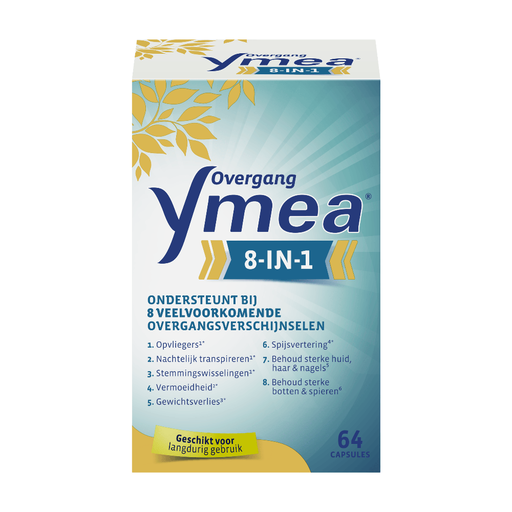
Why it may be a good fit: For anyone considering a formula containing sage, maca, artichoke, cayenne, zinc, vitamin B6 and D3 to support them during menopause.
The manufacturer explicitly states that several claims relating to botanical ingredients are still awaiting European approval. This makes clear which information should be interpreted with caution.
Two capsules per day; free from gluten, lactose and gelatin; suitable for vegetarians according to the product information.
Browse a current selection of menopause health supplements for women and compare ingredients, dosage, format and dietary features.
Look for a product containing calcium and vitamin D3, such as the Lucovitaal products mentioned above. First check how much calcium and vitamin D you already obtain from your diet and other supplements. Lucovitaal’s product information states that a beneficial effect on bone mineral loss in women during menopause is associated with a daily intake of at least 1,200 mg of calcium and 20 mcg of vitamin D from all sources. This is not personalised dosage advice.
Some brands associate sage or black cohosh with support for hot flashes and night sweats. According to information provided by Ymea and Lucovitaal, these ingredients are mentioned for this purpose, but claims relating to various botanical ingredients have not always been approved by the EU. A supplement is not a treatment. Discuss persistent or severe menopausal symptoms with your doctor.
This varies by product. Ymea states that long-term use is possible, while other products mainly specify a daily dosage without indicating a treatment period. Follow the label, do not exceed the recommended dose and check after a few weeks whether the product is still appropriate for your overall intake. If you take medication or have a medical condition, consulting a healthcare professional is advisable.
A food supplement does not replace a varied diet and healthy lifestyle. Before purchasing, always check the current ingredients list, warnings and dosage on the product packaging.
