
Vandaag of morgen in huis

Kwaliteit gegarandeerd

Welkomstaanbiedingen ontgrendelen: GRATIS bezorging | Tot 80% korting | Gratis 30 dagen JoyPlus-proefperiode
Download de app
A good pair of sports shorts should feel comfortable while you move, stay in place and suit the purpose you use them for. Yet there is a wide range of men’s sports shorts available. Manufacturers use terms such as “quick-drying”, “supportive” and “breathable”, while the practical differences sometimes only become clear once you start wearing them.
So pay particular attention to these three common pitfalls:
For fitness, running and intensive training, lightweight synthetic fabrics are often practical. Polyester generally dries faster than cotton. With quick-drying sports shorts, however, it is important to check the product description: “moisture management” can mean slightly different things depending on the brand and model.
According to the product description, the PUMA ESS Woven shorts are made from polyester, and PUMA states that its dryCELL technology helps draw moisture away from the body. This is a claim made by the brand itself and is not a guarantee of personal experience.
For warm-ups, casual wear and wearing at home, men’s cotton shorts or fleece shorts are often more comfortable. A cotton-polyester blend can offer a middle ground between a soft feel and a lighter sensation than 100% cotton.
The fit determines how much freedom of movement you have:
Do not just look at S, M, L or XL. Also check the waist, hip and inside-leg measurements in the size guide. For example, a model with a 7-inch inside leg will fit differently from short fitness shorts of around 6 inches.
An elasticated waistband with a drawstring makes the fit easier to adjust. For running, zipped pockets or a separate phone pocket are useful. Open side pockets are mainly suitable for casual wear and short journeys.
Also read the care instructions. Some synthetic models should not be washed with fabric conditioner. Fleece shorts also often require low drying temperatures to keep the fabric in good condition for longer.
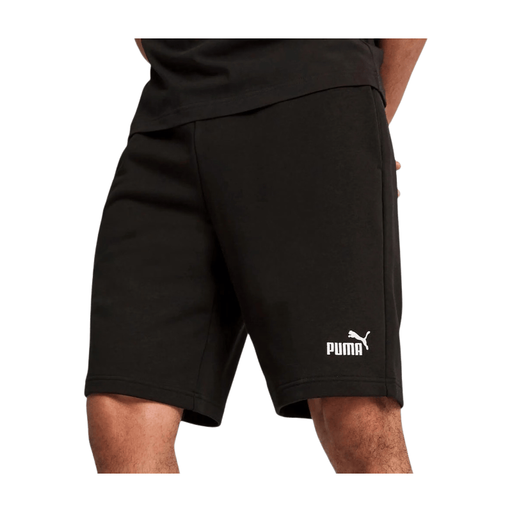
Why this suits the profile: These black sports shorts feature an elasticated waistband with an internal drawstring, side pockets and a knee-length cut. This makes them suitable for everyday wear, light training and lounging.
The waist is adjustable and the size options include a detailed size guide. However, check that the specified size matches your waist measurement.
68% cotton and 32% polyester; side pockets; elasticated waistband with internal drawstring.
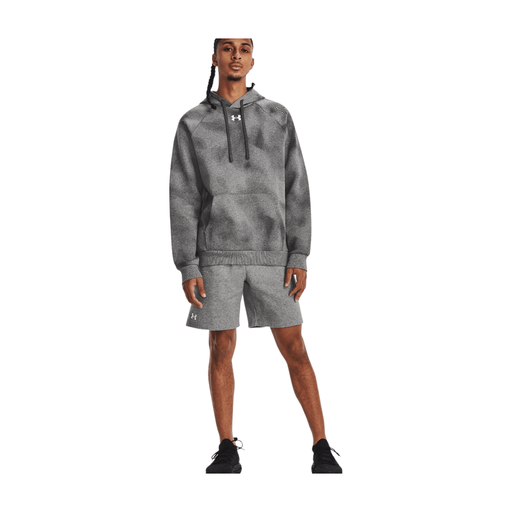
Why this suits the profile: The soft fleece construction is designed for warm-ups, gym sessions and relaxing. The regular fit provides more room than close-fitting men’s training shorts.
The description specifies a regular fit, an adjustable waist and an inside-leg length of 25 cm. This makes it easier to assess the fit before buying.
80% cotton and 20% polyester; open side pockets; additional snap-button back pocket.
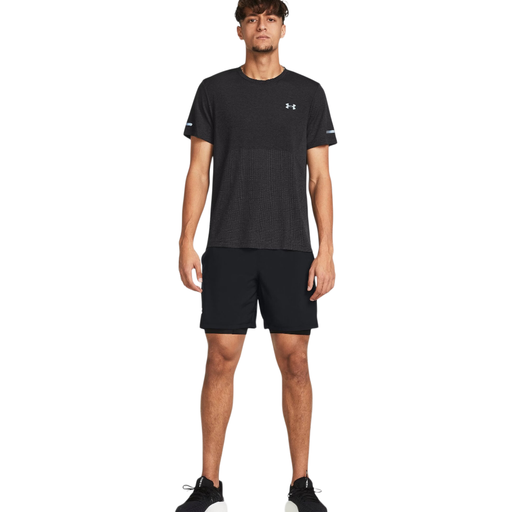
Why this suits the profile: This model is designed for running and intensive training. The loose outer layer is combined with a close-fitting inner layer, so you do not need to wear separate men’s compression shorts.
The built-in inner layer means you are not relying solely on a loose outer layer. With a fitted model, check the waist and hip measurements particularly carefully.
Outer layer made from 100% polyester; inner layer made from polyester and elastane; phone pocket on the right; reflective details.
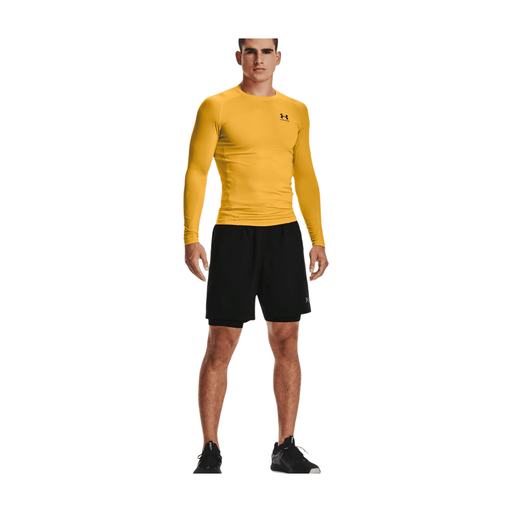
Why this suits the profile: The compression fit is designed for anyone looking for very close-fitting shorts for training or as a base layer underneath looser trousers.
The product information clearly states that the fit is ultra-close. If you prefer a less restrictive fit, the size information suggests considering one size larger.
84% polyester and 16% elastane; mesh panels; 15 cm length; integrated pocket on the right-hand side.
We have compiled a complete, up-to-date list of products that fully meet these strict selection criteria and the applicable European safety regulations.
Running shorts are often lightweight and include features such as a phone pocket, reflective details or a close-fitting inner layer. Men’s fitness shorts may be sturdier or roomier, depending on the exercises. Pay particular attention to the length, waistband and whether pockets are included.
That depends on the intensity. Cotton feels soft and works well for warm-ups, light training and casual wear. For longer runs or intensive fitness sessions, polyester shorts may be more practical, as this material generally retains less moisture than cotton, based on the construction of many models.
Measure your waist and hips, then compare these measurements with the size guide for the specific model. Also pay attention to the difference between regular, loose, fitted and compression fits. If you are unsure, the fit description is more important than the letter size alone.
