
Vandaag of morgen in huis

Kwaliteit gegarandeerd

Welkomstaanbiedingen ontgrendelen: GRATIS bezorging | Tot 80% korting | Gratis 30 dagen JoyPlus-proefperiode
Download de app
Buying a pair of men’s sports shoes sounds simple, until you have to choose between cushioning, stability, grip, fit and materials. A shoe that feels comfortable during a walk through town is not automatically suitable for a marathon or muddy woodland path. Marketing copy can also make it difficult to distinguish technical features from empty promises.
Use this practical guide to first establish what you need the shoes for. Then compare models using verifiable product information, reducing the risk of making the wrong purchase.
Lightweight running shoes with a smooth rubber outsole can feel comfortable on tarmac, but may offer less grip on wet leaves, gravel or mud. For off-road routes, trail running shoes or walking shoes designed for uneven terrain are a more logical choice. Pay attention to the tread and type of rubber, rather than relying solely on the words “all-terrain” in an advert.
A soft midsole feels comfortable, but does not automatically indicate how much support the foot receives. If you often walk or run on uneven ground, you may benefit more from stable running shoes with a firm heel construction or supportive elements. Check the descriptions of the outsole, heel and fit separately.
EU sizes vary between brands and models. The width of the shoe and the amount of room around the toes also affect how comfortable it feels. Ideally, measure your foot in millimetres and compare it with the size chart. When running, some room around the toes is practical; a heel that is too loose can cause rubbing.
For tarmac and longer distances, cushioned running shoes are often a practical choice. Look at the midsole material, such as EVA or a branded foam compound. Product descriptions may use terms such as “rebound” or “shock absorption”. According to the brand’s or seller’s own information, these terms describe the intended performance; they do not guarantee that every user will have the same experience.
According to the product description, the adidas Galaxy 7 M uses a Cloudfoam midsole and a TPU outsole. On paper, this makes the model suitable for anyone looking for a standard running shoe for tarmac and everyday use. The listed size is EU 42, with a foot length of 270 millimetres.
For trail running, gravel and outdoor activities, sports shoes with good grip are important. Check:
According to Salomon’s product information, the DRX DEFY GRVL has an All Terrain Contagrip outsole and an Active Chassis construction. According to Salomon’s own product information, these elements are designed to provide grip and support on mixed terrain. Treat this as a product specification, not a guarantee for every surface or running style.
For warm days, intensive training and long walks, breathable sports shoes with mesh can be appealing. Mesh generally allows more air to circulate than fully synthetic or leather materials, but may also provide less protection from rain. A shoe with TPU reinforcements or closed panels may be more durable, but could feel warmer.
Also check whether the model has a standard, narrow or roomier fit. Some models are available in different versions. If you have wide feet, do not automatically choose a larger size: a wider fit may be more comfortable without making the heel too loose.
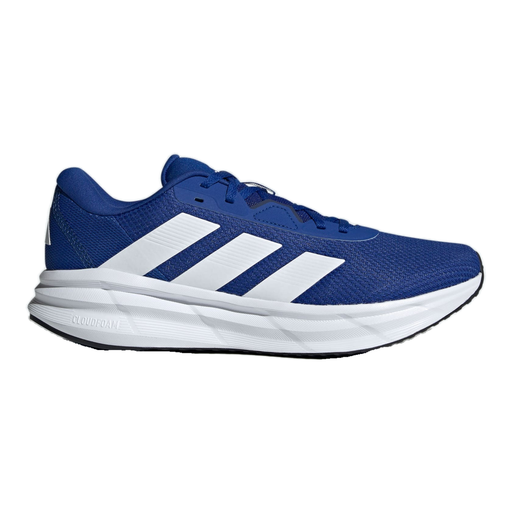
Why it suits this profile: An accessible model for beginner runners, commuting and light training on paved surfaces. The product information lists a regular fit and Cloudfoam midsole.
The specifications distinguish between the Cloudfoam midsole, textile upper and TPU outsole. This allows you to assess the cushioning and materials separately.
Cloudfoam midsole, textile lining, regular fit and a lace-up fastening for an adjustable fit.
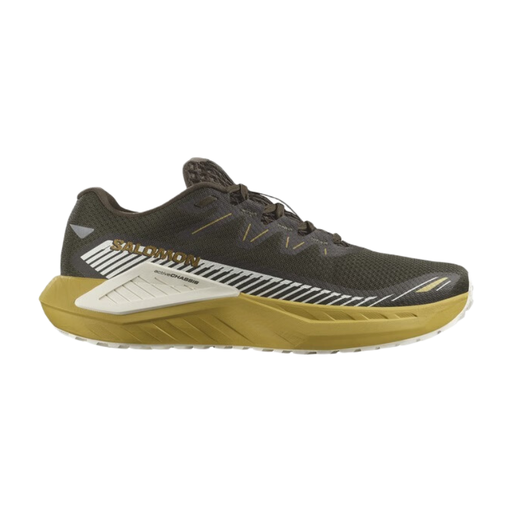
Why it suits this profile: Designed for runners and outdoor enthusiasts who alternate between gravel, paths and light walking routes. According to Salomon’s own product information, this model combines Active Chassis, Energy Foam and All Terrain Contagrip.
The product description specifies use on mixed terrain and separately mentions the support, midsole and outsole.
Active Chassis, Energy Foam midsole, mesh upper and All Terrain Contagrip outsole according to the product specifications.
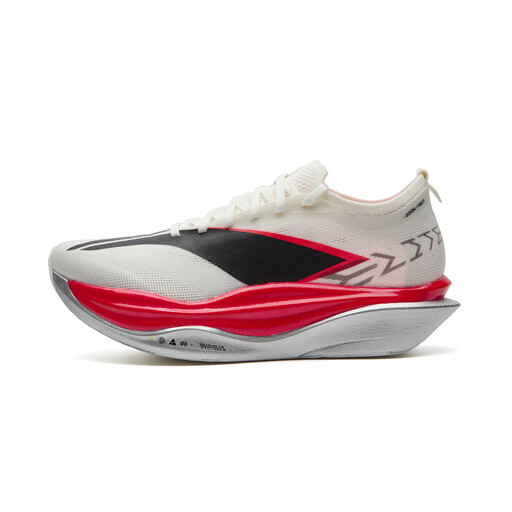
Why it suits this profile: A race-focused model for runners specifically looking for marathon running shoes and a close-fitting design. According to LI-NING’s own product information, this model has a carbon-fibre plate and GCU outsole.
The race-focused fit and stated construction make it clear that this is not an all-purpose walking shoe. Take extra care to check your foot length and the amount of toe room you want.
Carbon-fibre plate, BOOM FIBER upper, GCU outsole and a race-focused, close-fitting design according to the product information.
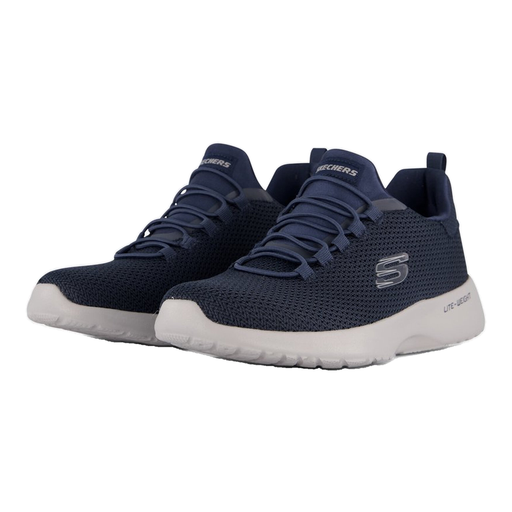
Why it suits this profile: Suitable for everyday use, light training and long days when you want a flexible textile shoe. The product information mentions air-cooled memory foam and a lightly padded collar.
The features are described clearly: an all-textile construction, rubber outsole, memory foam and machine washing at a maximum of 30 °C according to the care information.
Textile upper, air-cooled memory foam, rubber outsole and a vegan material construction according to the product description.
We have compiled a complete, up-to-date list of products that fully meet these strict selection criteria and the applicable European safety regulations.
Use this quick checklist before ordering:
Choose a model with a fit that securely holds your heel, sufficient room around the toes and a midsole suited to your surface. For tarmac, standard cushioned running shoes are often a sensible choice. For woodland or gravel paths, look for trail running shoes with a lugged outsole and good grip.
This depends on how often you run, your body weight, the surface, how you care for them and their construction. Do not look only at the number of months; check for wear on the tread, tears in the upper and a midsole that has collapsed or become uneven.
Some men’s trainers are perfectly suitable for walking, travelling or everyday use, but they do not always offer the cushioning, flexibility and grip of a running shoe. Models such as the PUMA Speedcat, Converse or Vans are, according to their product information, primarily designed for style, everyday use or a low-profile feel. Do not therefore automatically use them for long running sessions.
