
Vandaag of morgen in huis

Kwaliteit gegarandeerd

Welkomstaanbiedingen ontgrendelen: GRATIS bezorging | Tot 80% korting | Gratis 30 dagen JoyPlus-proefperiode
Download de app
A pair of men’s sports shoes may look right at first glance, yet still be unsuitable for how you intend to use them. Running on tarmac requires something different from playing football on artificial grass. Likewise, a shoe that feels comfortable during a short walk is not automatically suitable for intensive training.
The biggest purchasing mistakes usually come from three common pitfalls:
If you buy men’s sports shoes online, it is best to establish your sport, surface and preferred fit first. You can then compare models more effectively instead of focusing only on colour or brand name.
The sole largely determines how the shoe performs.
Do not wear studded football boots on a surface other than the one they were designed for. This can affect how they feel underfoot, as well as their wear and grip.
Cushioning is often highlighted prominently, but the right amount depends on how you use the shoes. For recreational running, a soft or responsive midsole may feel comfortable. For volleyball or indoor training, a firm heel and good control during sideways movements are also important.
Pay attention to the materials used:
According to the product description, the Joma TR-6000 has an EVA midsole for shock absorption. The adidas Galaxy 7 uses a Cloudfoam midsole and TPU outsole, according to the product specifications. This information helps with comparisons, but comfort is still a personal matter.
A standard fit is often described as regular fit or D width. This does not mean the shoe will suit every foot equally well. Measure both feet at the end of the day and compare the longer foot with the size chart for the specific model.
Bear the following in mind:
For the adidas Galaxy 7 in size 42, a foot length of 270 mm is stated. The Joma Super Copa 2401 FG in size 42.5 refers to a foot length of approximately 270–273 mm. Information like this is more useful than relying solely on your usual size.
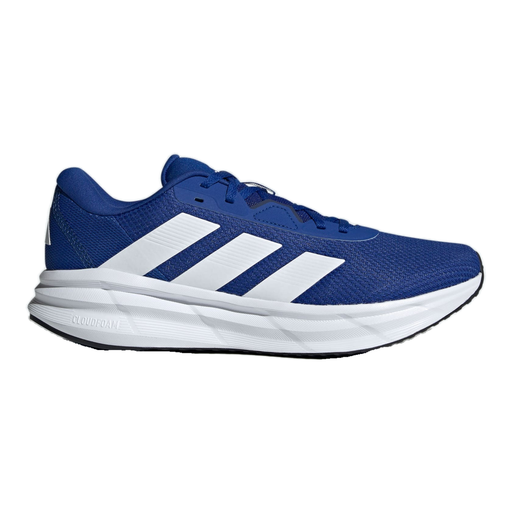
Why it suits this profile: A practical choice for anyone starting out with running, walking or everyday use and looking for a size 42 men’s sports shoe.
The product information explicitly states a standard fit, lace fastening, Cloudfoam midsole and TPU outsole. This means you can check the essential features before ordering.
Foot length of 270 mm according to the product details; textile upper; Cloudfoam midsole and TPU outsole.
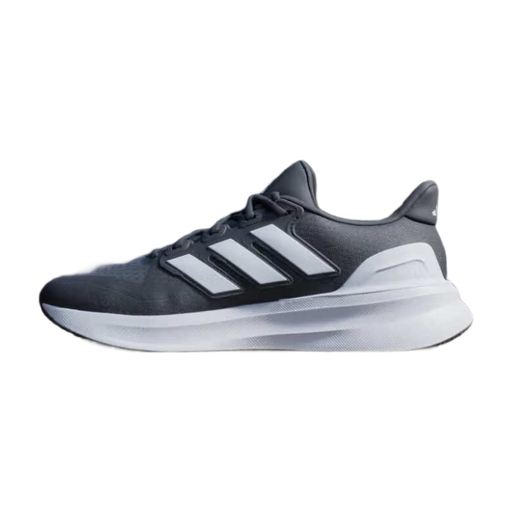
Why it suits this profile: For runners looking for a breathable model for regular runs who value a specified midsole and outsole.
The description mentions a mesh upper, Bounce 2.0 midsole and Adiwear rubber outsole. This allows you to assess breathability, cushioning and grip separately.
Foot length 285 mm according to the product details; mesh and synthetic upper; Bounce 2.0 and Adiwear rubber.
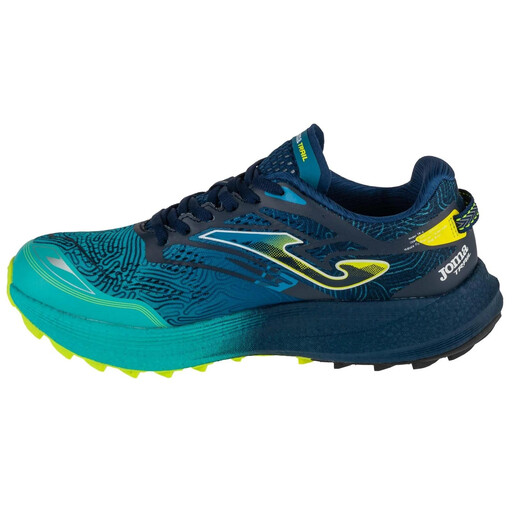
Why it suits this profile: Designed for trail running, uneven routes and users who value protection and grip more than a smooth road outsole.
This model is not focused solely on cushioning: the product description also mentions a high-grip tread and reinforced toe and heel areas.
EVA shock-absorbing midsole; breathable mesh; high-grip rubber outsole; size 44 and standard fit.
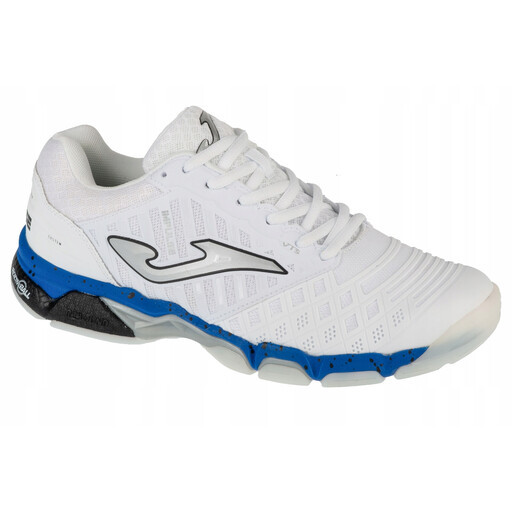
Why it suits this profile: A men’s sports shoe for indoor volleyball players looking for a model with a rubber sole, lace fastening and standard fit.
The product details specify indoor use, a rubber outsole and a sole construction designed for stability and grip. This makes the difference from running shoes clearer.
Rubber sole; polyurethane foam insole; low shoe height; lace fastening and standard fit.
For everyday use, men’s trainers or comfortable sports shoes may be sufficient. Models such as the PUMA Milenio Tech or adidas Samba OG are mainly designed for casual wear. They are not automatically suitable for running, trail running or indoor volleyball.
For road running, adidas running shoes such as the Runfalcon 5, Supernova Ease or Galaxy 7 are a more logical choice when cushioning, breathable materials and a road-focused outsole are priorities. For football, you should first determine the surface: AG for artificial grass and FG for firm natural grass. So do not use an FG model as an everyday trainer.
Proper care extends the useful life of your shoes. Remove sand and grass after exercising, clean the upper with a damp cloth and allow the shoes to dry naturally. Avoid radiators, direct sunlight, washing machines and tumble dryers when the product instructions advise against them. Also check the sole, seams and cushioning regularly. Wear is not determined by a fixed number of months: training frequency, body weight, surface and running style all make a difference.
We have put together a complete, up-to-date list of products that fully meet these strict selection criteria and the applicable European safety regulations.
Choose a model with a standard fit, breathable upper, lace fastening and rubber outsole. Men’s trainers are suitable for everyday use, but do not use them for a sport that requires specific grip or stability.
This depends on use and care. Pay particular attention to a tread that is becoming smooth, cracks in the upper, a midsole that has collapsed unevenly or reduced comfort. With intensive running, replacement may be needed sooner than with occasional everyday use.
No. An EU size is a guideline; the actual internal length and fit may vary between brands and models. You should therefore compare the size chart, foot length and width. This also applies to size 44 men’s sports shoes and half sizes such as 42 2/3 or 44 2/3.
