
Vandaag of morgen in huis

Kwaliteit gegarandeerd

Welkomstaanbiedingen ontgrendelen: GRATIS bezorging | Tot 80% korting | Gratis 30 dagen JoyPlus-proefperiode
Download de app
Buying a pair of men's sports shoes seems simple, until you have to choose between running shoes, indoor shoes, artificial-grass football boots and boots for natural grass. An attractive design or a well-known brand tells you little about whether they’re suitable for your sport.
The most common buying mistakes come down to three things:
For running, a flexible outsole and cushioned midsole matter more than football-specific studs. If you mainly train on a treadmill, athletics track or paved roads, look for running shoes designed for training, with a breathable upper.
For football, the surface makes all the difference:
So, don’t assume Joma men's football boots with an AG sole are suitable for natural grass. For a firm natural-grass pitch, football boots with an FG sole are a more suitable choice. Also check the venue’s rules, as some pitches specify a particular type of sole.
In the product information for running shoes with Cloudfoam, Cloudfoam refers to the material in the midsole. The adidas Runfalcon 5 and adidas Galaxy 7 are listed in their product descriptions as having a Cloudfoam midsole. This may make them worth considering for everyday running and comfort on longer walks or training sessions, but the right choice still depends on your fit and running style.
Pay attention to the material, too:
Claims about comfort, grip or energy return come from the brands’ product descriptions. Treat them as features you can compare, not as a guarantee that every wearer will have the same experience.
A good sports shoe should fit snugly around the midfoot without pinching. A little room around the toes is useful in running shoes, as your feet can swell slightly during longer runs. Football boots, on the other hand, should fit securely and give you control without creating pressure points.
The range includes sports shoes in sizes 40 to 45, as well as half sizes. Examples from the product details:
Measure your foot at the end of the day, compare the result with the size chart and check whether the product has a regular or wider fit. If you’re buying online, it’s worth checking the returns policy and statutory guarantee before you place your order.
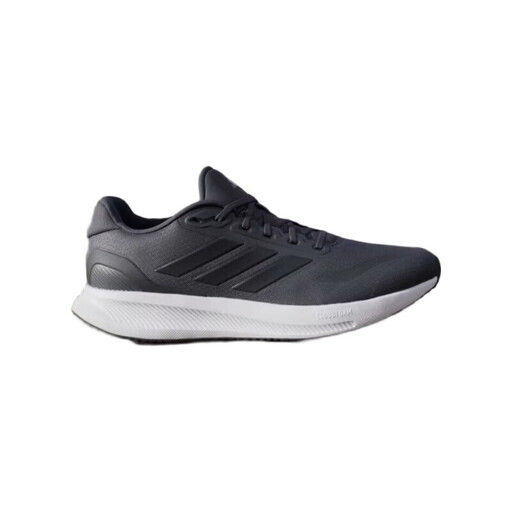
Why it suits this profile: This model is designed for everyday training, treadmill sessions and track use. According to the product details, sizes range from 36 to 45, making it easier to compare options.
The product information clearly states its intended use, foot length for each size and materials. That means you don’t have to rely on looks or the brand name alone.
Mesh upper, Cloudfoam midsole, OrthoLite insole and Adiwear outsole, according to adidas’s product description.
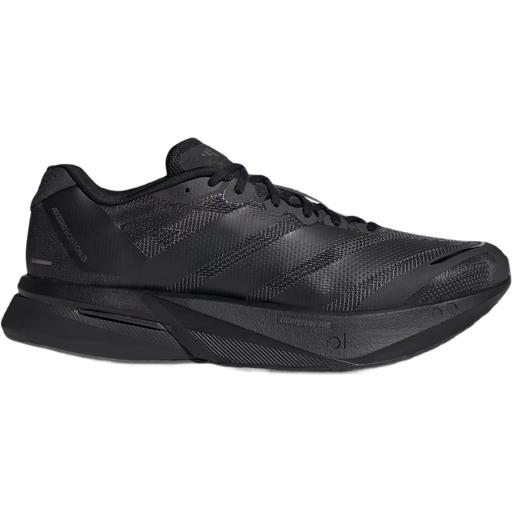
Why it suits this profile: A good choice for runners who prioritise intensive training sessions and tempo work. According to adidas, this model is designed for training towards a race.
The specifications make clear that this isn’t a general lifestyle shoe, but a lightweight model for more intensive running training. Choose this type only if you’ll make use of its intended purpose.
Textile upper, Lightstrike Pro midsole, ENERGYRODS and Lighttraxion outsole with Continental Rubber, according to the product details.
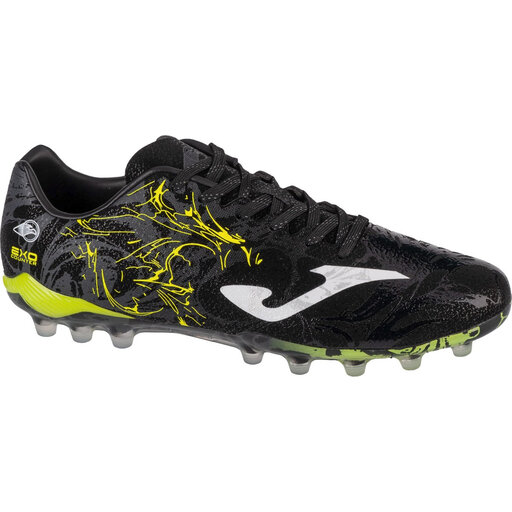
Why it suits this profile: According to the product information, these football boots are designed for artificial grass. That makes them a relevant choice for players who train or play matches mainly on synthetic pitches.
The AG designation helps you choose a sole with the playing surface in mind. Don’t use these boots as general running shoes or as an FG model for natural grass.
Synthetic upper, rubber sole, regular fit, and EXO COUNTER and ONE PIECE technologies, according to Joma’s product information.
We’ve put together a complete, up-to-date list of products that meet these strict selection criteria and the applicable European safety regulations.
Look for models with cushioning that suits you, a breathable upper and an outsole designed for the surface you run on. The product information for the adidas Runfalcon 5 and Galaxy 7 associates them with everyday running and Cloudfoam cushioning. Always check the fit and foot length; the material alone won’t determine whether a shoe feels comfortable to run in.
Their lifespan depends on how often you wear them, your body weight, the surface and how well you care for them. Replace a pair when the sole becomes visibly smooth, the upper tears or the cushioning noticeably loses its feel. Football boots generally last longer when you use them only on the recommended surface and remove mud after every session.
This isn’t recommended as a regular combination. According to their product descriptions, AG models are designed for artificial grass, while FG models such as the Joma Super Copa 2402 FG and Joma Striker 2502 FG are designed for firm natural-grass pitches. Choose your sole to suit the pitch you use most often, and check the venue’s requirements if you’re unsure.
