
Vandaag of morgen in huis

Kwaliteit gegarandeerd

Welkomstaanbiedingen ontgrendelen: GRATIS bezorging | Tot 80% korting | Gratis 30 dagen JoyPlus-proefperiode
Download de app
A pair of men’s socks may seem like a simple purchase, but small differences determine whether they remain comfortable all day. A cuff that is too tight can leave marks, thin cotton may wear out more quickly and socks that slip inside your shoes can soon cause irritation. If you only consider colour or price, you may end up buying again because the fit or material is not right for how you plan to use them.
Socks stretch, but that does not mean one size will suit every foot. Socks that are too large can bunch up inside your shoes. A pair that is too small remains under constant tension, causing the heel and toe to wear out more quickly.
Always check the EU shoe size and the product’s size chart. If you are between two sizes, look at the recommended sizing and the fit you prefer. A sports sock can fit more snugly than a thin business sock.
Men’s cotton socks often feel soft, but overall comfort depends on the knit, thickness and blend with synthetic fibres. Cotton can absorb moisture, while polyester and polyamide can help with shape retention and durability. For training, it is therefore important to consider not just the percentage of cotton, but also ventilation, elasticity and cushioning.
Also look out for terms such as “breathable” or “moisture-regulating”. These are not fixed quality standards. Check which fibres and constructions are actually specified.
Some antibacterial socks are sold with a treatment or fibre technology which, according to the brand, limits the growth of certain micro-organisms. This is not the same as a general guarantee against odour or perspiration. Following the washing instructions, ventilating your shoes and changing your socks regularly remain important.
For Utree, the product description states a “10A antibacterial & odor elimination” classification. Li-Ning specifies percentages for Staphylococcus aureus, Escherichia coli and Candida albicans. These are product claims taken from the brand and product information provided; they should not be interpreted as a medical or health promise.
Choose the material based on when you will wear the socks:
A high cotton percentage mainly tells you about the fibre composition, not automatically about the product’s lifespan. Also check whether the toe seam is flat and whether the heel and toe are reinforced.
Choosing the right length helps prevent rubbing and stops the socks from showing where you would rather they did not:
An elasticated cuff should keep the sock in place without pinching unnecessarily. A 3D heel or anatomical heel shape can help reduce slipping inside the shoe, but how well it works depends on the size and shape of your foot.
A multipack of socks is useful if you often wear the same colour. However, compare the price per pair and check that all pairs are the same size and composition. A 3-pack is suitable if you have a limited rotation; a 6-, 9- or 12-pack gives you more time between washes.
Wash the socks according to the label. The product information for several of the models mentioned recommends washing at 40 °C or washing warm, without bleach. For the Everyday Cushion models, Nike specifies warm machine washing, no bleaching and tumble drying at a low temperature. Washing too hot and intensive drying can damage the elasticity and shape more quickly.
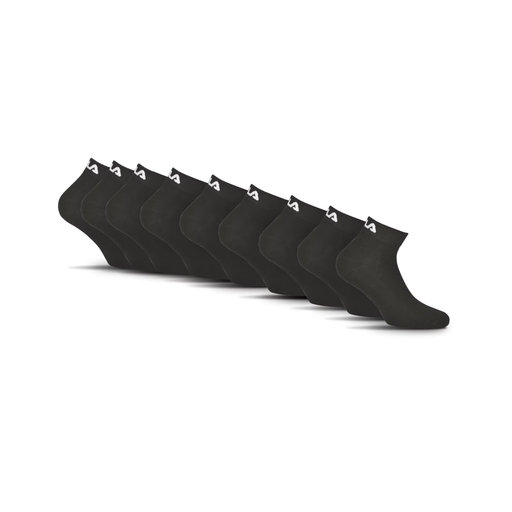
Why it suits this profile: This multipack is practical for everyday use, casual outfits and light sporting activities. The trainer sock sits just above the ankle and is designed for a broad unisex audience.
The product information specifies a fixed size, a 9-pack and a cotton blend. This makes it clear what you are paying for, rather than relying only on a general comfort claim.
9 pairs; black; cotton, polyester and elastane; suitable for everyday use and casual sport.
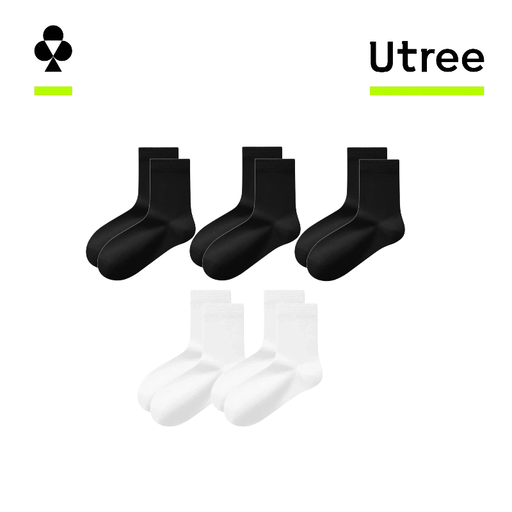
Why it suits this profile: These thin, mid-length socks are designed for the office, businesswear and long working days in leather shoes.
The description mentions a flat, seamless toe, an elasticated cuff and a shaped heel. The antibacterial and odour-reducing properties are claimed according to Utree’s own product information; check the size chart and label before buying.
100% cotton, excluding elastic fibres; 5 pairs; black and white; thin business style.
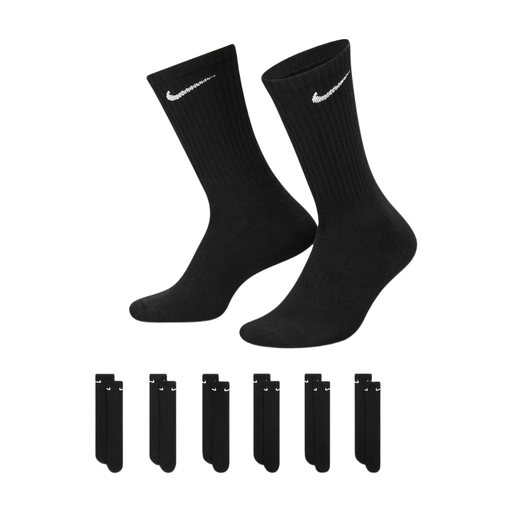
Why it suits this profile: These crew socks are designed for training and running, with a thicker sole and a band around the arch of the foot.
The product information specifies cushioning under the heel and forefoot, a ribbed arch band and size L for EU 43-46. According to Nike, Dri-FIT helps keep feet dry and comfortable; this is a brand claim, not a guarantee for every user.
6 pairs; 67% cotton, 30% polyester, 2% spandex and 1% nylon; terry sole; crew length.
We have compiled a complete, up-to-date list of products that fully meet these strict selection criteria and the applicable European safety regulations.
This depends on the material, washing routine and frequency of use. Replace socks when the fabric becomes thin, seams start to come undone, the cuff no longer fits securely or permanent holes appear. Rotating several pairs gives the fibres more time to retain their shape.
Look for cushioning, ventilation, a secure fit around the arch of the foot and a size that does not slip. Nike Everyday Cushion models specify cushioning under the heel and forefoot. For light training, FILA trainer socks or other men’s sports socks may also be sufficient, provided the length and thickness suit your shoes.
Yes. Men’s black socks pair easily with dark trousers, jeans or sportswear. For the office, choose a thin mid-length option, such as a business sock. With trainers, low-cut trainer socks or men’s ankle socks are more practical. Always check the size, fibre composition and washing instructions before ordering.
