
Vandaag of morgen in huis

Kwaliteit gegarandeerd

Welkomstaanbiedingen ontgrendelen: GRATIS bezorging | Tot 80% korting | Gratis 30 dagen JoyPlus-proefperiode
Download de app
A pair of men’s running shoes should suit your route, foot shape and frequency of use. Yet many men choose mainly based on appearance, brand name or a promise of maximum cushioning. This can result in a shoe that feels uncomfortable after just a few training sessions or does not provide enough grip on Dutch paths.
In this guide, the Joybuy Product Recommendation Officer looks at verifiable features: materials, fit, sole, cushioning and intended use. This allows you to compare running shoes for men, men’s sports shoes and models for everyday use without being swayed by marketing language.
A shoe with a soft midsole feels comfortable when you try it on, but that does not automatically mean it is suitable for your running style. A soft sole can be comfortable for short, easy runs. Over longer distances or at a faster pace, a more stable construction may feel better.
Pay attention to the material and construction of the midsole. Examples include EVA, Cloudfoam, Dreamstrike or another foam construction. The product description should clearly explain where the cushioning is located and what activity the shoe is designed for.
A mesh upper can allow air to circulate, but a very open construction does not always offer enough protection against rain, mud or small stones. For tarmac and the gym, breathable sports shoes are often practical. On woodland paths, you also need a rubber outsole with a suitable tread pattern.
A waterproof membrane, such as GORE-TEX on certain models, is particularly relevant in wet conditions. However, it does not automatically make a shoe suitable for every type of terrain.
Sizes vary by brand and model. A standard width is often indicated by D, but this does not guarantee that the toe box will be roomy enough for everyone. If you have wide feet, it is worth measuring your foot length and checking the size chart. On some models with a wide toe box, going up half a size may provide a better fit, but ordering a larger size is no substitute for choosing the correct width.
For recreational running, cushioned shoes are often a sensible choice, especially if you mainly run on tarmac. Do not just look at the name of the cushioning technology; also consider:
Stable running shoes often have a wider sole base, a reinforced heel or a construction that holds the foot securely. This can be useful for runners who want a firm feel as their foot rolls through the stride. Manufacturers’ claims about support or shock absorption come from the brand, so assess them alongside the stated materials and construction features.
Your toes should be able to move without your foot sliding forwards. If you have a wide forefoot, check the shoe’s last, width designation and information about the toe box. The LI-NING Yueying 6, for example, is offered with a wide toe box. According to the product description, going up half a size may be suitable if you want more room or wear thicker socks.
Laces help you adjust the fit around the instep. A heel loop makes the shoe easier to put on, but in itself says nothing about how it will fit while running.
For road training, models with a relatively flat rubber tread are generally practical. For woodland, gravel and wet paths, men’s trail running shoes with a more pronounced tread are more suitable. Also check whether the toe and heel have additional reinforcement if you run on rough terrain.
A tread that provides grip on wet ground may feel different on smooth tiles. Choose based on your regular route: tarmac, park paths, sand or technical terrain.
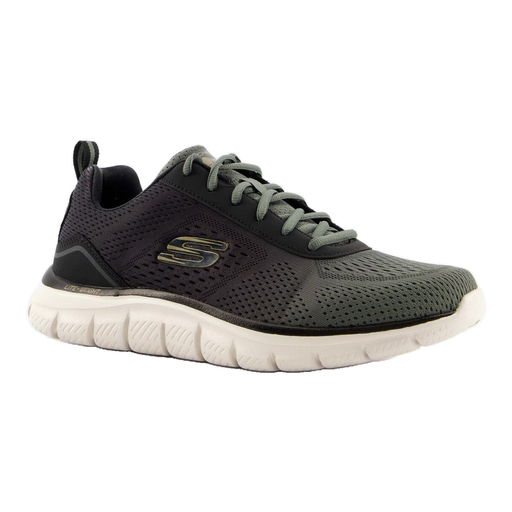
Why it suits this profile: This model is designed for everyday use, walking and light sporting activities. The standard D last and sizing information make it easy to compare.
The product description mentions mesh panels, a rubber outsole and a fixed Memory Foam insole. This means the key material choices are clear before you buy.
Textile upper with mesh, rubber sole, lace fastening and a stated standard fit.
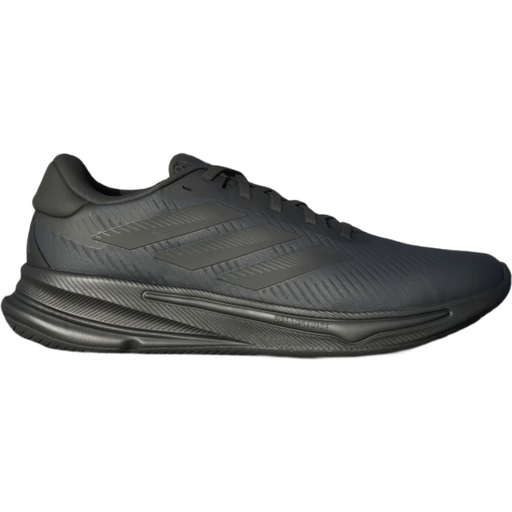
Why it suits this profile: A good choice for men looking for a dedicated running shoe for short to medium distances and a consistent training routine.
The model is described as a stable everyday running shoe and features a full Dreamstrike midsole, mesh upper and rubber studded outsole.
Breathable mesh, Dreamstrike foam, lace fastening and an outsole with rubber studs for grip.

Why it suits this profile: This model is designed for trail running and walking on rougher terrain, particularly when wet conditions and grip are important.
The specifications mention a GORE-TEX membrane, a 3D Advanced Chassis and a Contagrip rubber outsole. This makes it a more specific choice for wet and uneven routes.
Waterproof membrane according to the product description, Quicklace system, reinforced toe and heel, and a lugged sole for different types of terrain.
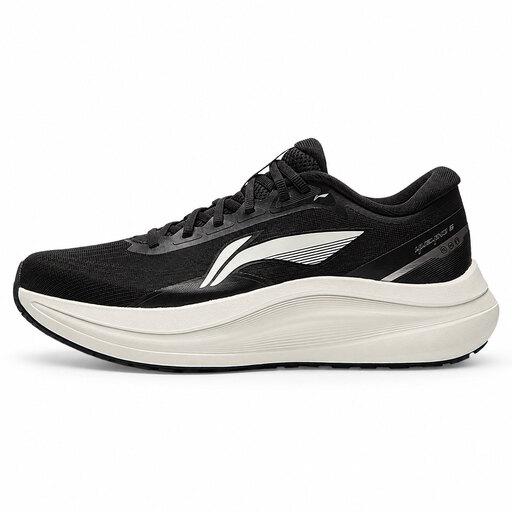
Why it suits this profile: The stated wide toe box and roomier last are relevant if standard models feel tight around the forefoot.
The description mentions an optimised last, generous toe room and a widened heel. However, check your own foot length and the size chart before ordering.
Tempo Bounce midsole, rubber outsole with grip zones and a design that, according to the product information, offers more room at the front.
We have put together a complete, up-to-date list of products that fully meet these strict selection criteria and the applicable European safety regulations.
For sports shoes for everyday use, a standard fit may be sufficient. For intensive training, long walks or trail running, toe room, heel lockdown and tread generally matter more.
Their lifespan depends on your body weight, running frequency, terrain, care and wear to the sole. Regularly check whether the tread is becoming smooth, the midsole is visibly deforming or the upper is coming away. Do not automatically continue wearing running shoes until they are completely worn out.
You can with models whose product description states that they are suitable for everyday use. Lightweight running shoes and comfortable men’s trainers are practical for walking and commuting, but a trail model with a deep tread may feel less smooth on tarmac.
Look for models with a wide toe box, a roomier last or an explicitly stated width size. The LI-NING Yueying 6 states that it provides additional room in the forefoot. Fit is personal, so always compare your foot length and width with the recommended size before ordering.
