
Vandaag of morgen in huis

Kwaliteit gegarandeerd

Welkomstaanbiedingen ontgrendelen: GRATIS bezorging | Tot 80% korting | Gratis 30 dagen JoyPlus-proefperiode
Download de app
A pair of men's hiking shoes should suit the terrain, your walking pace and how you plan to use them. A lightweight pair for paved paths performs differently from sturdy men's hiking boots on wet rocks or rugged mountain trails.
However, the product name doesn't always tell the whole story. Focus on features you can check, such as the sole, fit, protection and intended use.
A shoe with a waterproof membrane can help keep out rain and splashes, but that doesn't mean it will stay waterproof in every situation. The condition of the materials, the seams and tongue, and how you care for the shoes all play a part.
Check whether a waterproof hiking shoe actually specifies a membrane. The product description for the Salomon XA Pro 3D v9 GTX names a GORE-TEX membrane. For models with only “outdoor” or “hiking” in the name, you can't automatically assume they're waterproof.
A treaded sole may look sturdy, but grip depends on the rubber, the shape and the depth of the tread. A hiking shoe with a Vibram sole may be worth considering for rocky or uneven ground, but the Vibram logo alone doesn't tell you how much grip you'll get on mud, wet wood or slippery tiles.
Look at the rest of the construction, too. A good sole is of little use if the heel is loose or your foot slides around inside the shoe.
A rugged-looking shoe isn't automatically comfortable for hiking. A toe box that's too narrow can put pressure on your toes on descents. A heel that's too roomy can cause blisters. If possible, try shoes on with the socks you'll wear when walking, and allow a little extra room for downhill sections.
For Dutch footpaths, woodland trails and wet leaves, a sole with a defined tread is practical. On hilly terrain or mountain trails, stability and heel control are important too. If you mainly run on unpaved trails, consider men's trail running shoes instead: they're often lighter and more flexible than traditional hiking boots.
Some PELLIOT models have a Vibram sole specifically mentioned in the product name. When buying, check the exact size option and the latest product information.
A reinforced toe and heel can help protect your feet when you come into contact with stones and roots. A sturdier construction often provides more support, but can also feel heavier. For long day walks, it's worth weighing protection against freedom of movement.
Ordinary mountaineering boots aren't automatically suitable for technical mountaineering. For activities involving crampons, snow or climbing, always check whether the manufacturer explicitly says the boots are suitable.
Keep these points in mind:
The models below have been selected based on the available product information, size options and stated construction features. Brand claims about comfort, durability or grip aren't a guarantee that every user will have the same experience.
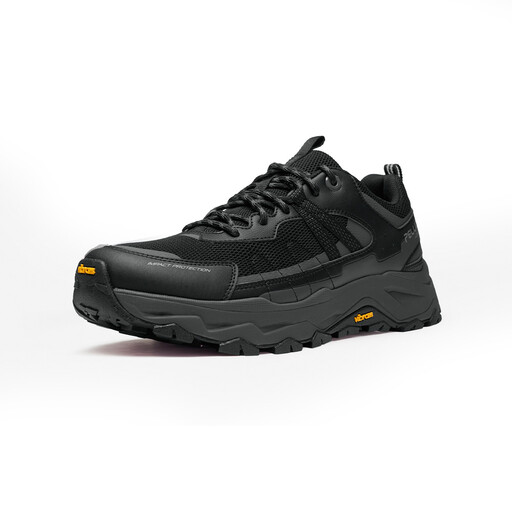
Why it suits this profile: A straightforward choice for walks, woodland trails and recreational use, with a specific EU 42 size option.
The product page doesn't make an automatic waterproof claim. So you won't be buying this model solely on the basis of an unsubstantiated promise of rain protection.
Black design and a specific EU 42 size option listed in the product name.

Why it suits this profile: Designed for people looking for a combination of trail running, hiking and technical trails.
According to the product description, Salomon specifies a GORE-TEX membrane, 3D Advanced Chassis and Contagrip sole. These features are clearly stated, rather than mentioned only as general marketing terms.
GORE-TEX according to the product information, a Quicklace system, reinforced toe and heel, and a Contagrip outsole.
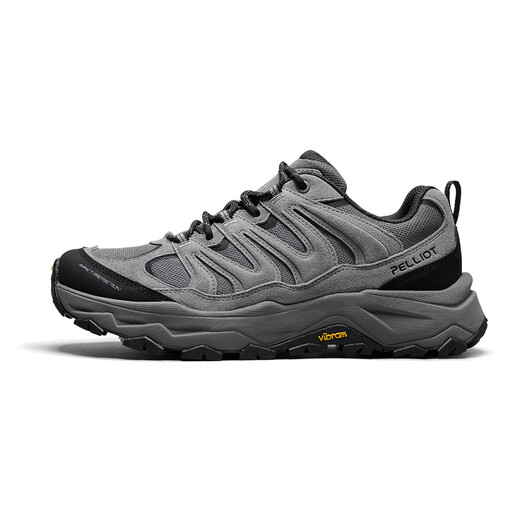
Why it suits this profile: For people specifically looking for a model with a Vibram outsole and an EU 41 size option.
The Vibram outsole is explicitly mentioned in the product name. Check for yourself that the sole suits your terrain, though; the name isn't a guarantee of grip in every situation.
Vibram outsole according to the product name, dark grey design and an available EU 41 size option.
We've put together a complete, up-to-date list of products that meet these strict selection criteria and the applicable European safety regulations.
Their lifespan depends on the distance you walk, your body weight, the terrain, how well you maintain them and how you store them. Look out for tread that's wearing smooth, a sole that's coming loose, cracks in the upper or a heel that's losing its support. Durable hiking shoes won't necessarily last as long if you wear them every day on rough ground.
They can be, but a waterproof membrane may reduce ventilation compared with an open mesh upper. For warm, dry walks, a more breathable model may feel more comfortable. For rainy trails, protection from moisture matters more. Always check the product description rather than relying on the word “waterproof” in an advert.
It depends on their weight, flexibility and sole. Some hiking shoes can work well for short stretches on unpaved ground. For regular trail running, men's trail running shoes are usually a better choice thanks to their lighter weight and more flexible stride. Hiking boots are generally designed to provide more protection and stability, rather than speed.
