
Vandaag of morgen in huis

Kwaliteit gegarandeerd

Welkomstaanbiedingen ontgrendelen: GRATIS bezorging | Tot 80% korting | Gratis 30 dagen JoyPlus-proefperiode
Download de app
Buying a pair of men’s adidas running shoes seems simple, until you have to choose between Cloudfoam, Dreamstrike, Bounce 2.0, mesh or a retro trainer profile. Marketing copy often focuses on softness or speed, but the practical differences mainly come down to fit, intended use and sole construction.
If you only look at colour or price, you could fall into three common traps:
The midsole plays a major part in how a shoe feels when you run. According to the product information, Cloudfoam running shoes focus on soft cushioning. The adidas Galaxy 7 and Runfalcon 5 use Cloudfoam midsoles. They could suit short distances, everyday walking and beginner training.
Dreamstrike models have a different construction. According to its product description, the adidas Supernova Ease has a full-length Dreamstrike midsole and is designed for short to medium distances. The Supernova Stride 2 combines Dreamstrike+ with EVA. This makes it a more interesting option for runners who train regularly and want a little more responsiveness.
Please note: brand descriptions of comfort or performance don’t guarantee the same experience for everyone. Foot shape, running style and surface all play a part.
For an active lifestyle and running in warmer weather, breathable men’s running shoes are often more practical than a fully enclosed upper. According to the product information, mesh or synthetic mesh lets more air through and can help keep the weight down.
The Supernova Ease, Supernova Stride 2, Ultrarun 5 and Runfalcon 5 have mesh uppers. The adidas Supernova Rise M ATR combines synthetic materials and textile. According to its product description, the ATR version is designed for versatile use, but always check that the tread suits your route. No shoe can make a slippery or wet surface completely risk-free.
Don’t just look at the midsole material; check the outsole too. According to the product information, the Supernova Stride 2 and Ultrarun 5 use Adiwear rubber. The Galaxy 7 is listed as having a TPU outsole. The Runfalcon 5 combines Cloudfoam with an Adiwear outsole.
Grip and durability matter when running on paved roads. For longer distances, a good fit is important too: a shoe that’s too narrow can become uncomfortable during a longer session. For short distances, don’t automatically choose a heavy model. A flexible trainer may be all you need for walking, commuting and everyday wear.
Measure both feet at the end of the day, when they’re often slightly larger. Place your heel against a wall and measure to the longest point of your foot. Compare this measurement with the sizing information on the product page.
Note the differences between the available listings:
These details show why your usual size alone may not be enough. Also check the width, the room around your toes and whether your heel stays securely in place when you try the shoes on.
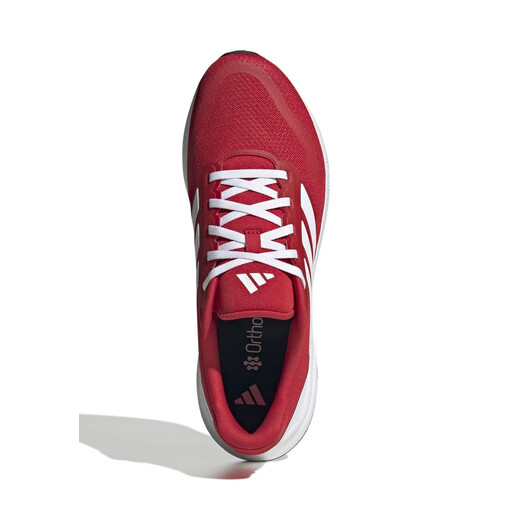
Why it suits this type of runner: According to the product information, this model is designed for road running and short distances of up to 10 km. That makes it a good fit for a first training routine or everyday active use.
The product details list Cloudfoam, a mesh upper and an Adiwear outsole. This makes it easier to check whether the shoe suits your distance and running surface.
Cloudfoam cushioning, mesh upper, Ortholite insole and lace-up fastening for an adjustable fit.
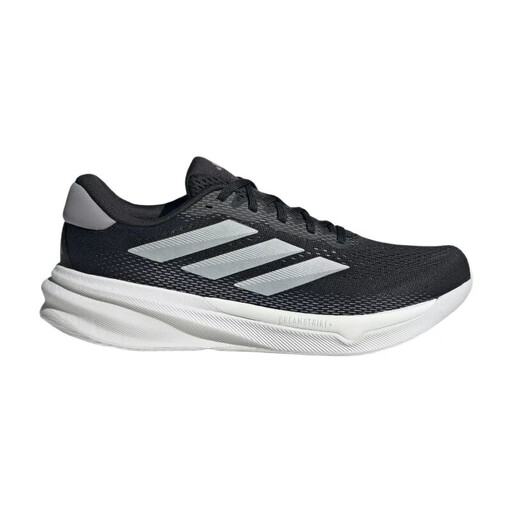
Why it suits this type of runner: According to the product specifications, this training shoe combines Dreamstrike+ with EVA and has a mesh upper. It’s designed for longer training sessions and a regular running routine.
The midsole, upper and outsole are all clearly specified. So you don’t have to rely on a general comfort claim alone.
Dreamstrike+ with EVA, breathable mesh and Adiwear rubber for grip and durability.
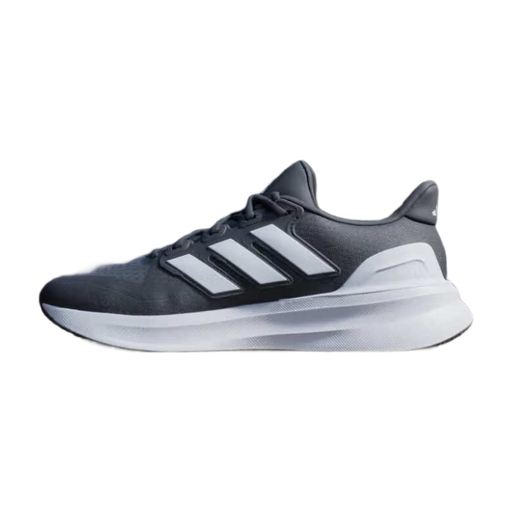
Why it suits this type of runner: The product description lists Bounce 2.0, a mesh upper and an Adiwear outsole designed for grip. This makes it worth considering if you train more often and for longer.
The midsole, mesh upper and rubber outsole are all clearly specified. Just make sure the fit and size work for your foot.
Bounce 2.0 cushioning, mesh for airflow and Adiwear rubber. The product information also lists an OrthoLite insole.
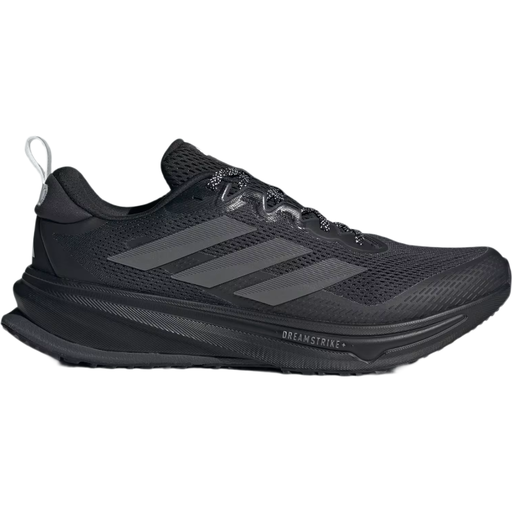
Why it suits this type of runner: According to the product information, the ATR version has a synthetic and textile upper, a padded insole and an adjustable lace-up fastening. It’s a good fit if you’re looking for one pair for a range of everyday activities.
The shoe isn’t judged on cushioning alone: its materials, fastening and rubber outsole are listed separately.
ATR construction, padded insole, adjustable fit and synthetic rubber sole.
We’ve put together a complete, up-to-date list of products that meet these strict selection criteria and the applicable European safety regulations.
How long they last depends on how often you run, your body weight, the surface, how well you care for them and how much the sole has worn. Check the tread and outsole regularly, and look for any deformation in the midsole. If a shoe is visibly wearing unevenly or feels less stable, it may no longer be right for the way you use it.
It depends on the model. According to its product description, the Run 70s 2.0 is primarily a versatile trainer for everyday wear. The Runfalcon 5, Supernova Ease and Galaxy 7 are more running-focused. So choose based on how you’ll mainly use them: walking and styling with your clothes call for something different from running several times a week.
For short distances and a beginner’s routine, you could consider the Runfalcon 5 or Supernova Ease. The Runfalcon 5 product information lists distances of 0 to 10 km, while the Supernova Ease is described as suitable for short to medium runs. Always check the size, fit and available colour before ordering.
