
Vandaag of morgen in huis

Kwaliteit gegarandeerd

Welkomstaanbiedingen ontgrendelen: GRATIS bezorging | Tot 80% korting | Gratis 30 dagen JoyPlus-proefperiode
Download de app
A mattress that's too firm, waking up with stiff muscles, or simply wanting to make your current bed more comfortable without buying a whole new mattress. Sound familiar? A memory foam topper might seem like the logical solution. But the market is flooded with marketing promises that don't always deliver.
Before you buy a memory foam topper, it's wise to understand the potential pitfalls. Many buyers make the same mistakes, ending up with a product that fails to provide the desired comfort improvement.
pressure-relieving support you're looking for.To help you avoid a bad purchase, here are the key specifications you need to check. These determine whether a memory foam mattress topper will actually improve your mattress comfort.
The thickness (in cm) is what you feel, but the density (expressed in kg/m?) determines the quality, durability, and support.
A good pressure-relieving topper should have a density of at least 50 kg/m? to prevent you from sinking through it and still feeling the firmness of your mattress underneath.
If you tend to sleep hot, look for toppers with an open-cell structure or perforations in the foam. These features promote air circulation and dissipate excess heat.
For people with allergies, a hypoallergenic mattress topper is a must. Memory foam is naturally quite resistant to dust mites, but check if the cover is washable. This helps keep your sleep environment clean and fresh.
It sounds obvious, but measure your mattress accurately. A topper that's too small creates an annoying edge. One that's too large will shift around. Make sure you choose the exact size, whether you need a topper 90x200 for a single bed or a topper 180x200 for a king-size bed. Also, pay attention to the fastening method; elastic corner straps are essential to keep the topper in place.
Based on these objective criteria, we have selected a few products that suit specific needs.
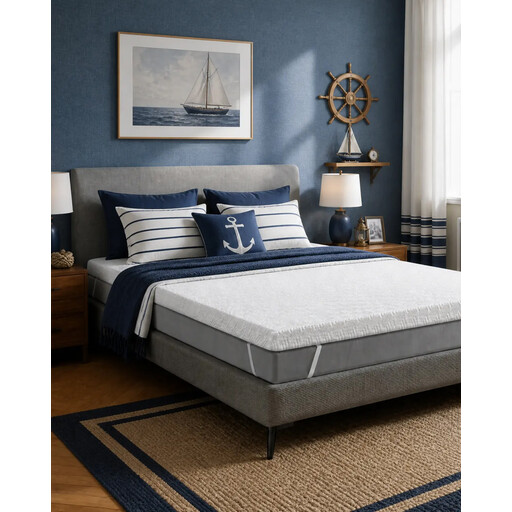
Why This Fits Their Persona: A perfect and affordable upgrade for a single bed. Ideal to improve mattress comfort without a major expense, for instance, for a dorm room or guest bed.
This 90x200 topper is transparent about its 2.5 cm thickness. It's a subtle but effective comfort layer, without the false promise of a complete mattress replacement.
Adds a soft, pressure-relieving layer and has hypoallergenic properties. Easy to install thanks to the elastic straps.
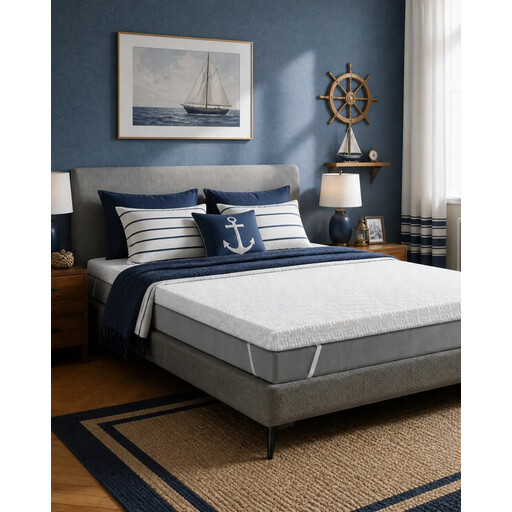
Why This Fits Their Persona: The 5 cm thickness offers significant pressure relief and comfort. This is a great choice for people with a mattress that's too firm or for side sleepers who need extra cushioning for their shoulders and hips.
Unlike toppers with mixed fillings, this 5 cm thick pressure-relieving topper provides a solid layer of memory foam that effectively contours to the body for optimal support.
Provides a noticeable improvement in comfort on a hard or aging mattress. The thickness helps to reduce pressure points on the body.
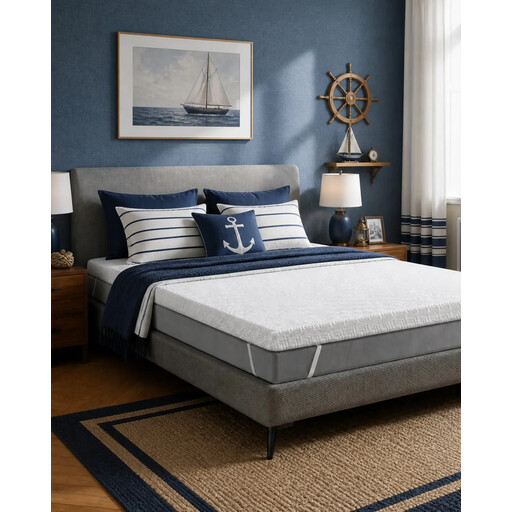
Why This Fits Their Persona: An economical way to give a large 180x200 topper mattress a comfort update. Ideal if your current mattress is still in good shape but feels just a bit too firm for you or your partner.
This is an honest, subtle upgrade. It doesn't pretend to completely transform your mattress, but adds a soft, pressure-relieving layer where it's needed, without the high cost.
Improves the comfort of a large bed without the cost and weight of a thick topper. The hypoallergenic properties are a plus for a shared bed.
We have compiled a complete, up-to-date list of products that meet these selection criteria and comply with current regulations.
A new memory foam topper is often delivered vacuum-packed and rolled up. After unpacking, it can take 24 to 48 hours for the topper to fully expand and reach its final shape and comfort level. Lay it flat on your bed or on the floor in a well-ventilated room to speed up this process.
Yes, this is a common complaint about traditional memory foam. The material reacts to body heat and can retain it. If you tend to sleep hot, consciously choose a topper designed for better ventilation, for example, one with an open-cell structure or perforations.
The choice depends on your goal.
