
If you’re buying toast for a group
You want enough toast for a variety of nibbles. The pack size and, where stated, the number of toasts can help you work out how many packs you’ll need.


For a shared snack night, a 240 g pack is a good starting point if you want enough melba toast for a range of toppings. A smaller pack may suit you better if you have a particular type of toast in mind. Check the ingredients, allergens and nutritional information on the label for each variety.
You want enough toast for a variety of nibbles. The pack size and, where stated, the number of toasts can help you work out how many packs you’ll need.
You’re serving nibbles to guests with different dietary requirements. Check the ingredients and warnings about possible traces on both the toast you choose and the toppings.
Look beyond labels such as plain or wholemeal and compare the nutritional values per 100 g, especially if you’re serving the toast with salty toppings.
| What to consider | What to check before buying | Who it matters to |
|---|---|---|
| Quantity | Compare the weight in grams and check whether the pack states how many toasts it contains. | If I’m making nibbles for a group, I don’t want to run out of toast halfway through. Around 40% of consumers prioritise having enough. |
| Allergens | Read the ingredients and warnings about traces on the pack you choose, even for plain toast. | When guests can’t eat everything, I need to know which toast I can serve. This is a priority for around 30% of consumers. |
| Fibre and salt | Compare the fibre and salt per 100 g for the specific varieties, and take the toppings into account. | I want to choose a variety based on the nutritional information, not just the word wholemeal on the pack. This is the main consideration for around 20% of consumers. |
| Shape and style | Choose between regular melba toast, party toast and toast cups, depending on the nibbles you want to make. | I want the shape of the toast to work with the topping or dip I’m serving. Around 10% of consumers give this the highest priority. |
The melba toast packs reviewed come in a range of sizes, including 120 g and 240 g. So the number of packs alone doesn’t tell you how much toast you’ll have on the table.
Check the weight and work out how many packs you’ll need for the nibbles you’re planning.
Jumbo lists 1.9 g of salt per 100 g for Van der Meulen Melba Volkoren Toast, compared with 1.3 g per 100 g for the plain variety reviewed. So don’t compare varieties by their name alone.
Check fibre and salt separately in the nutritional information per 100 g.
The toast varieties reviewed contain ingredients such as cereals containing gluten or soya; sesame is also a consideration for some varieties. Toppings aren’t the only ingredients to check.
Before serving, check the labels on both the toast and the toppings.
You can’t tell whether iodised baker’s salt has been used just from the product category.
Check the ingredients list if this is important to your purchase.
AH Melba Toast Naturel is a plain variety in a 240 g pack.
Jumbo lists plain and wholemeal Van der Meulen melba toast, both in 120 g packs.
ALDI lists Sun Snacks Melba Toast Naturel in a 240 g pack.
Lidl lists plain and sesame party toast, in packs weighing 100–150 g.
Bolletje lists products including crackers, crispbreads and snack crackers as other crunchy bases for toppings.
These 100 g and 240 g packs of melba toast work well with a range of toppings. First decide how much you need and which shape you’d like, then check the label of the variety you choose.
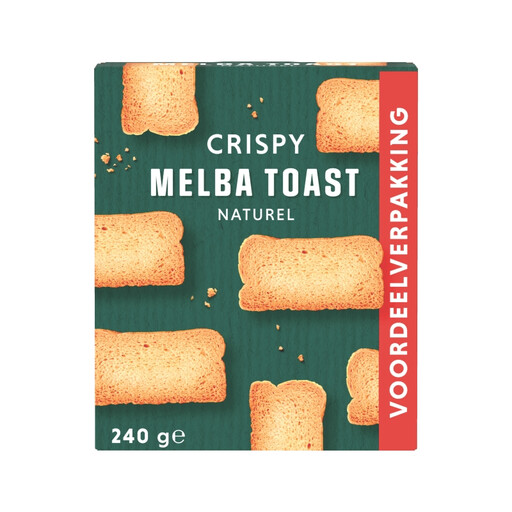 Image unavailable
The 240 g pack is a good fit for a shared snack table with a range of toppings. Check the ingredients and allergens on the label, especially if you need to cater for allergies.
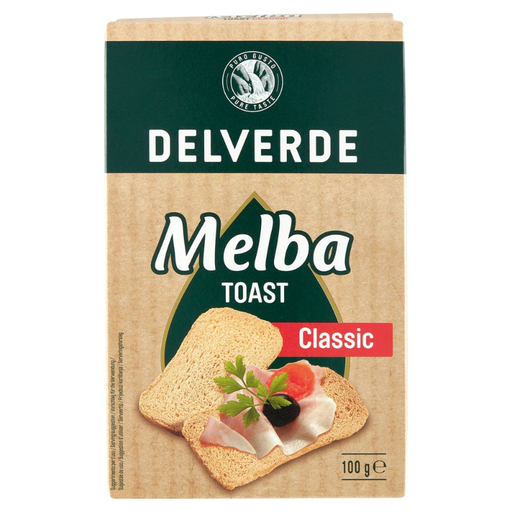 Image unavailable
This 100 g pack is a good choice if you need a smaller amount of classic melba toast for savoury or sweet toppings. Check the label for cereals containing gluten and warnings about possible traces of sesame, soya and mustard.
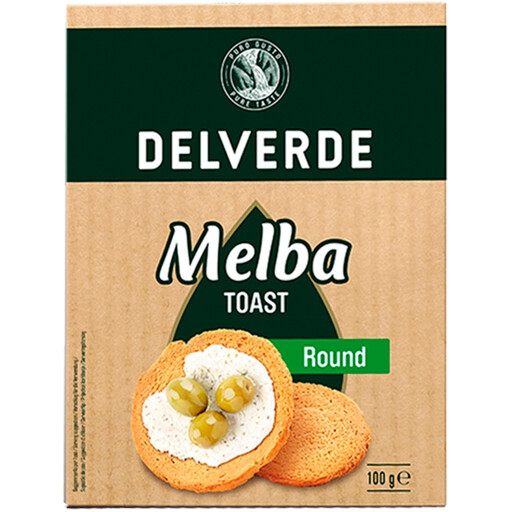 Image unavailable
The round shape is ideal for nibbles when you’re looking for a different toast format. This pack contains 100 g; check the label for cereals containing gluten and warnings about possible traces of sesame, soya and mustard.
Consider the pack size, how many guests you’re expecting and how many different nibbles you’re making. For example, Albert Heijn states that AH Melba Toast Naturel in the 240 g pack contains 12 packets of 6 toasts. Other pack sizes and shapes may vary.
Keep opened melba toast dry and in a tightly sealed container. Albert Heijn recommends an airtight tin; also follow the instructions on the pack you’ve bought.
Don’t choose based on the name melba toast alone. The AH and Van der Meulen varieties reviewed contain cereals with gluten. Jumbo lists sesame as an ingredient in Van der Meulen Melba Volkoren Toast, while Albert Heijn notes possible traces of sesame in AH Melba Toast Naturel. Always check the pack of the product you intend to serve.
Compare the salt content per 100 g if it matters to your choice, especially if you’re serving salty toppings. Jumbo lists 1.3 g of salt per 100 g for the Van der Meulen plain variety reviewed and 1.9 g per 100 g for the wholemeal variety.
Don’t assume so based on the product category. If the use of iodised baker’s salt matters to your purchase, check the ingredients list for the toast you choose.