
Host serving a selection of toppings
You want to serve sweet and savoury toppings with coffee and friends on toast that doesn’t have a strong flavour of its own. Plain Melba toast is a good place to start.


Choose plain Melba toast if you want to offer both sweet and savoury toppings with your coffee without the toast having a strong flavour of its own. Wholemeal or multigrain Melba toast is a better fit if you’re more interested in the taste of the grains or comparing fibre content. Sesame toast offers a different flavour, but requires extra care with allergens. Check the latest label for each variety before serving it to guests.
You want to serve sweet and savoury toppings with coffee and friends on toast that doesn’t have a strong flavour of its own. Plain Melba toast is a good place to start.
You compare wholemeal and multigrain Melba toast by looking at the ingredients and fibre per 100 g. Salt content and the grains used also matter, as these vary between products.
You check the packaging before serving and take care to avoid cross-contact when arranging the food. The Melba toasts discussed may contain gluten-containing cereals, sesame and soya, among other ingredients, so you may need to provide a separate option.
First, think about the toppings you’ll serve and who’s coming; then compare the toast’s flavour and nutritional information.
| What to consider | What to check when buying | Who it matters to |
|---|---|---|
| Versatility | Check whether the mild flavour and size work with both your sweet and savoury toppings. | When I’m serving a selection of toppings, I want guests to be able to create their own combinations without the toast overpowering the flavour. Versatility is the top priority for an estimated 42% of consumers. |
| Ingredients and allergens | Check the latest label for gluten-containing cereals, sesame and soya; look for a gluten-free claim if needed. | If a guest needs to avoid certain ingredients, I want to know which toast is suitable before serving and prevent cross-contact. This check is estimated to be the top priority for 33% of consumers. |
| Grain flavour and nutritional information | Compare the ingredients and fibre and salt values per 100 g; assess sesame and organic varieties separately. | If I want a selection with a more pronounced grain or sesame flavour, I want to choose based on more than words such as ‘multigrain’. An estimated 25% of consumers prioritise these product features. |
According to the Voedingscentrum, using baker’s salt in baking isn’t compulsory. So you can’t tell which salt has been used in a product simply from its category or an organic certification.
If you want to know whether a particular toast is made with iodised baker’s salt, check the ingredients list or ask the manufacturer.
The varieties discussed contain different combinations of ingredients, including wheat, other gluten-containing cereals, sesame and soya. Choosing a different type of grain or an organic product doesn’t remove these considerations.
Ask guests about any relevant allergies in advance, check the latest label and keep a suitable alternative separate when serving.
Ingredients vary from product to product. Jumbo lists 9.7 g of fibre and 1.9 g of salt per 100 g for Van der Meulen Melba Wholemeal Toast; these figures don’t apply to other varieties of toast.
Compare the nutritional information per 100 g on the packaging of the products you’re actually considering, then decide which features matter for your toppings and guests.
A own-brand variety you saw before may not be available the next time you get together for coffee. The packaging you buy is also the source to use for ingredient information.
Check current availability before buying and read the label again before serving.
A brand with several Melba toast varieties, including wholemeal, multigrain and sesame, as listed in Jumbo’s range.
An own-brand range that includes AH Organic Melba Toast with sesame seeds. Albert Heijn’s product information lists 7% sesame seeds and an EU organic logo.
An own-brand range in the toast category, with product information that can vary by variety.
These two classic Melba toasts are worth considering if you’re looking for a neutral base for a variety of toppings to serve with coffee and friends.
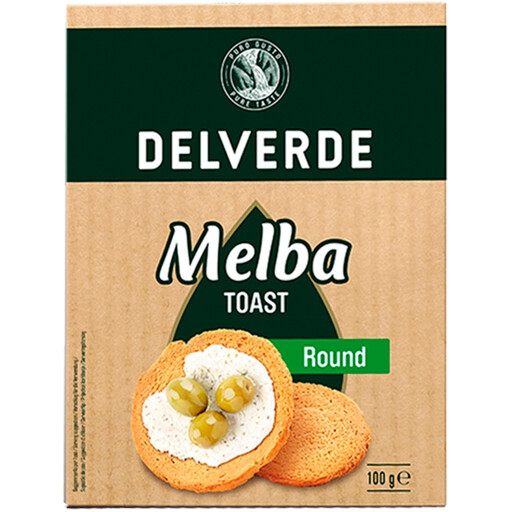 Image unavailable
Worth considering if you want to serve plain Melba toast as part of a selection of toppings.
Round variety in a 100 g pack.
For guests, check the latest label for wheat, barley and possible traces of sesame, soya and mustard; don’t offer this toast as a gluten-free option.
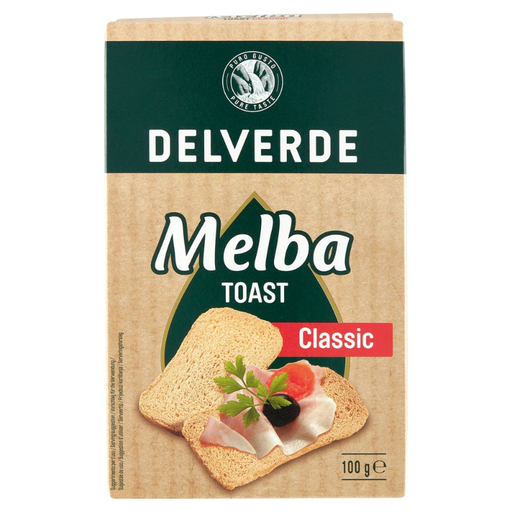 Image unavailable
Worth considering if you’re looking for classic, plain Melba toast to serve with sweet and savoury toppings.
100 g pack.
For guests, check the latest label for wheat, barley and possible traces of sesame, soya and mustard; don’t offer this toast as a gluten-free option.
Plain Melba toast is a good choice for a selection of sweet and savoury toppings. Choose multigrain or wholemeal if you’re looking for a more pronounced grain flavour or want to compare fibre content. For each specific variety, also check the salt content and allergens on the label.
Check the latest ingredients and allergen information for every toast: the Melba toasts discussed include wheat, other gluten-containing cereals, sesame and soya. If a guest needs to eat gluten-free, only choose a product clearly labelled as suitable and take care to prevent cross-contact when serving.
No, you can’t assume this for every toast: according to the Voedingscentrum, using baker’s salt in baking isn’t compulsory. Check the ingredients list or ask the manufacturer which salt has been used in the specific product.
Store the toast according to the instructions on the packaging and only add toppings shortly before serving. The varieties discussed are described as needing dry storage; after opening, check the packaging for any additional instructions.