
Parents looking for something festive
You’d like to pack something sweet and crunchy during the school holidays, but you see a treat as different from an everyday lunch. The Dutch Nutrition Centre recommends having sweet toppings occasionally.


Chocolate-coated toast is better suited to a special treat than as a regular lunch staple for children. If you’d rather choose the topping yourself, uncoated Melba toast is an alternative. Check the label for both options, especially if allergies are a concern. The Dutch Nutrition Centre recommends that primary-school children eat and drink in line with the Wheel of Five, and says sweet toppings are best enjoyed occasionally.
You’d like to pack something sweet and crunchy during the school holidays, but you see a treat as different from an everyday lunch. The Dutch Nutrition Centre recommends having sweet toppings occasionally.
You’re looking for an uncoated toast base and would rather decide what goes on it yourself. The plain and wholemeal Melba toast described by Albert Heijn are specific products you can compare by checking their ingredients and nutritional information.
If certain ingredients need to be avoided, the word ‘toast’ doesn’t tell you enough. The Melba toast products listed by Albert Heijn contain, among other things, cereals containing gluten and soya. Check the packaging of the product you buy.
First decide whether you’re looking for a treat or a lunch staple. Then check the label of the specific product, paying particular attention to allergens if they’re relevant to your family.
| What to consider | What to check before buying | Who it matters to |
|---|---|---|
| Treat or lunch staple | Check whether the toast has a chocolate coating, and read the ingredients and nutritional information for the product you’ve chosen. | For a holiday lunch, I want to be able to pack something festive without automatically making it an everyday lunch choice. Around 40% of consumers prioritise this distinction. |
| Choosing the topping yourself | Compare uncoated types of toast and decide separately which topping you’d like to use. | Choosing the topping myself lets me decide what goes into this lunch. For around 30% of consumers, this is the main consideration. |
| Allergens and labelling | Read the current ingredients list, allergen information and any warning about the possible presence of allergens. | If an allergen is relevant, I need to be able to check the exact product before adding it to the lunch. Checking the label is the top priority for around 30% of consumers. |
The shape of the toast doesn’t tell you how a sweet coating fits into a lunch. The Dutch Nutrition Centre says sweet toppings are best enjoyed occasionally.
Before buying, decide whether you’re looking for a treat or toast you can top yourself.
The plain and wholemeal Melba toast described by Albert Heijn list several allergens, including cereals containing gluten and soya.
Check the allergen information on the current packaging for the variant you’ve chosen. Don’t rely on the product name alone.
The Dutch Nutrition Centre identifies bread made with iodised baker’s salt as a source of iodine. That doesn’t tell you which type of salt is used in any particular toast product.
Don’t assume a product contains iodine based on its name; check the ingredients for the specific toast.
Ingredients and allergen information can change. Albert Heijn advises customers to check the packaging alongside its product information.
Use online information to shortlist products, then check the packaging when you buy.
The wholemeal Melba toast is an uncoated option to compare if you want to choose the topping yourself.
AH Melba toast plain is an uncoated toast base, with product information published by Albert Heijn.
Lidl lists a 240 g Melba toast product for in-store purchase.
Bolletje has categories including crackers and snacks, but a brand overview doesn’t tell you what a specific toast product contains.
This Melba toast is an uncoated base for anyone who wants to choose the topping themselves for a holiday lunch. Check the packaging of chocolate-coated toast separately.
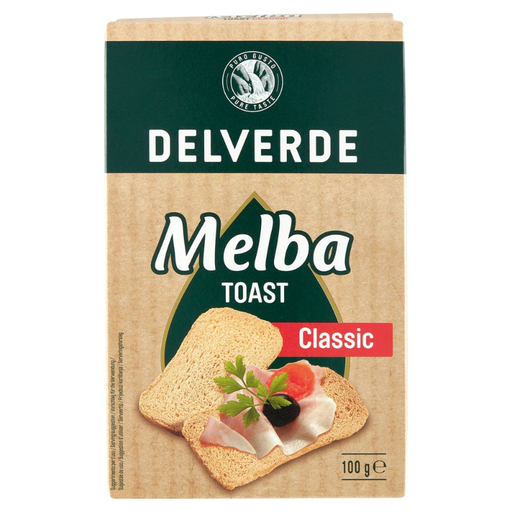 Image unavailable
Melba toast for anyone who’d rather choose their own topping than opt for chocolate-coated toast.
Pack size: 100 g. Check the ingredients and allergens on the current packaging before use.
It’s better to choose chocolate-coated toast as an occasional treat rather than automatically making it an everyday lunch staple. The Dutch Nutrition Centre recommends that primary-school children eat and drink in line with the Wheel of Five, and says sweet toppings are best enjoyed occasionally. You should also check the ingredients of the toast you’re planning to buy.
Yes. Uncoated Melba toast can also contain relevant allergens. The plain and wholemeal variants described by Albert Heijn list, among other things, cereals containing gluten and soya. Check the packaging for the exact variant, including any warnings about the possible presence of allergens.
Yes. Use online information to make an initial comparison, but check the packaging before using the product. Albert Heijn notes alongside its product information that ingredient and allergen details can change.
No. The word ‘toast’ doesn’t tell you whether a product contains iodised baker’s salt. The Dutch Nutrition Centre discusses bread made with iodised baker’s salt as a source of iodine. For a specific toast product, check the ingredients for that variant rather than assuming it has the same composition.
First check the policy of the school or after-school club in question. The Dutch Nutrition Centre highlights the role of school and after-school club policies on food and drink, so what you can pack also depends on the rules at that location.