
Lunch buffet organiser
Looking for a neutral toast that works with different toppings, so colleagues can make their own combinations. The plain melba toast described by Jumbo Supermarkten is intended to be topped.


Choose plain melba toast when colleagues can pick from a range of toppings. Compare wholemeal and multigrain options if fibre is a higher priority, or choose seasoned toast when its flavour has been deliberately matched to the topping. Check the current label for every product you choose, especially if anyone has allergies.
Looking for a neutral toast that works with different toppings, so colleagues can make their own combinations. The plain melba toast described by Jumbo Supermarkten is intended to be topped.
Comparing wholemeal and multigrain options with plain toast, and checking the fibre, salt and allergens listed on the label for each variety.
Looking to add flavour with herbs or seeds and choosing toppings to match. This more distinctive toast is less suited to a buffet where everyone needs to choose freely from the toppings.
First decide whether the toast should complement a range of toppings or add flavour of its own. Then compare the nutritional information, allergens and portions on each pack.
| What to consider | What to check | Who is this important for? |
|---|---|---|
| Versatility | Choose a neutral flavour if there is a range of toppings, and check which allergens are listed on the pack. | For a buffet with different toppings, I want the toast to complement them without overpowering their flavour. This versatility is the top priority for around 36% of consumers. |
| Fibre and ingredients | Compare fibre and salt per 100 g, and check which grains and allergens each variety contains. | If fibre is my main consideration, I also want to compare wholemeal and multigrain options for their salt and ingredients. Around 29% of consumers give this nutritional profile top priority. |
| Flavour and presentation | Match herbs and seeds to the planned toppings, and check that your chosen variety is available. | For a small lunch, I want the toast and toppings to work together as a single flavour combination. This presentation is the main consideration for around 21% of consumers. |
| Portions and storage | Check the pack size, individual portions and storage instructions, including after opening. | If colleagues are having lunch at different times, I want to be able to hand out portions easily and store the rest properly. This convenience matters most to around 14% of consumers. |
The plain, wholemeal and multigrain varieties described contain cereals with gluten and soya. Sesame varies by product, or may be listed as a possible trace.
Check the current label on each individual product. If someone has a confirmed allergy, arrange a suitable alternative that has been checked separately.
The Melba Volkoren Toast listed by Jumbo Supermarkten contains 9,7 g of fibre and 1,9 g of salt per 100 g. The listed Meergranen Toast contains 7,5 g of fibre and 1,5 g of salt per 100 g. Allergens also deserve attention.
Compare the nutritional information per 100 g and consider the toast alongside the toppings and other items on the lunch menu.
Herbs, seeds or tomato give toast a flavour of its own, which will not suit every topping.
For a mixed buffet, choose a neutral base and serve flavoured toast only with toppings you have deliberately matched to it.
According to Brood.net, using iodine-enriched baker’s salt is not a legal requirement in the Netherlands. You therefore cannot assume that a particular toast product contains it.
Check the ingredients list or product information if iodine-enriched salt is relevant to your menu planning.
Plain, multigrain and wholemeal melba toast offer different starting points for a lunch with toppings.
The Toast rustique with thyme and rosemary described here is an example of a strongly flavoured toast to pair with carefully chosen toppings.
Ciabatta Crackers Tomaat & Kruiden are a cracker option for individual portions, not a neutral melba toast.
Jumbo’s toast range is a useful place to compare the shapes and pack sizes of own-brand and branded products.
These Joybuy products are melba toast options to consider for a lunch with a range of toppings. Compare the pack sizes and check the label before serving to colleagues with allergies.
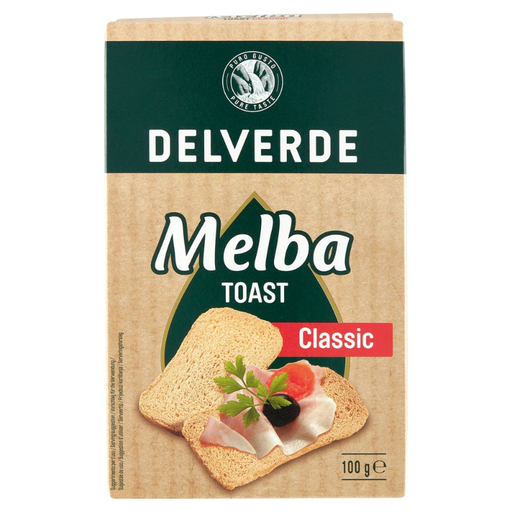 No image available
Consider this melba toast for a lunch where colleagues can choose their own toppings.
If anyone has allergies, check the current pack for wheat, barley and possible traces of sesame, soya or mustard.
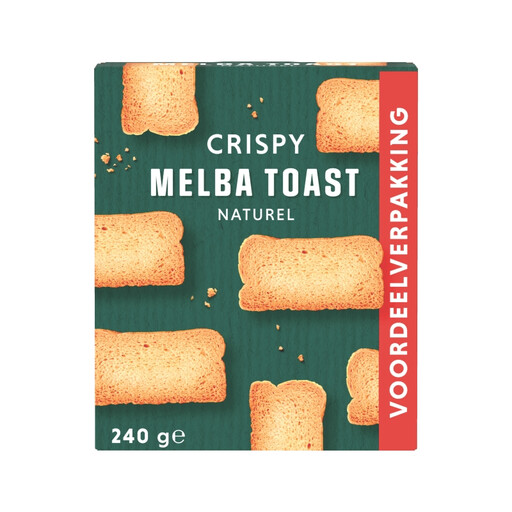 No image available
The 240 g pack is worth comparing if several colleagues will be having toast with toppings at the same time.
Do not rely on general allergen information for this variety: the ingredient and allergen details contradict each other. Check the current pack before serving.
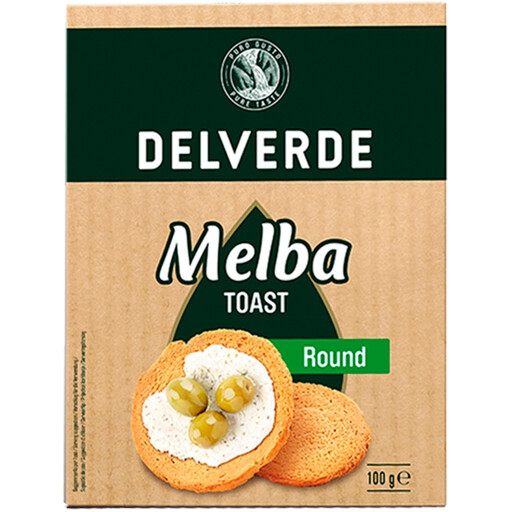 No image available
The round shape is an option for a lunch where you serve the toast with individual toppings.
If anyone has allergies, check the current pack for wheat, barley and possible traces of sesame, soya or mustard.
No. According to Brood.net, using iodine-enriched baker’s salt is not a general legal requirement in the Netherlands. If this matters for your menu planning, check the ingredients list of the toast you choose.
Check the current label for every type of toast you choose, and keep the packaging available during lunch. The Netherlands Food and Consumer Product Safety Authority explains that 14 allergens must be declared on labels. The products discussed here include cereals with gluten and soya, as well as sesame or possible traces of these allergens.
Take this kind of warning into account when choosing food for guests with allergies; do not assume that a small amount will be safe. According to the Netherlands Food and Consumer Product Safety Authority, new Dutch rules on warnings about possible cross-contamination came into force on 1 January 2026. Check the current packaging and, if necessary, agree a suitable alternative with the person concerned in advance.
Follow the storage instructions on the pack and keep the toast away from moisture. The Melba Meergranen Toast described by Jumbo Supermarkten says to store it in a cool, dry place. The listing for Haust Toast rustique at Albert Heijn says to protect it from moisture and heat below 25 °C. It is best to add the toppings just before serving to stop the toast going soft.