
Shoppers looking for toast to top
You want a crisp base for sweet or savoury toppings. Check whether you’re looking at small toasts or the sliced bread you’d use for everyday sandwiches, and pay attention to pack size and salt content.


Looking for medium-sliced bread for everyday use? Don’t automatically choose melba toast: it consists of small, crisp toasts for toppings or snacks. If you’re looking for toast, choose the shape you want first, then compare the wholemeal option, salt content, and the latest ingredient and allergen information. Check the packaging to see whether baker’s salt has been used.
You want a crisp base for sweet or savoury toppings. Check whether you’re looking at small toasts or the sliced bread you’d use for everyday sandwiches, and pay attention to pack size and salt content.
You specifically want to choose a wholemeal melba toast option. Check the variety name on the packaging: melba toast describes the type of toast, while multigrain does not automatically mean wholemeal.
You want to know which grains and other allergens the toast contains, and whether the packaging carries any warnings about possible traces. Check the latest label when you buy it.
First decide whether you need toast or medium-sliced bread. If you’re looking for toast, you can then choose which label detail matters most to you.
| What to consider | What to check when buying | Who it matters to |
|---|---|---|
| Shape and use | Check whether the pack contains melba toast, toast or ordinary sliced bread; look at the size and portion format. | I’m looking for bread for everyday toppings and don’t want to pick up small, crisp snacks. For around 40% of shoppers, the product format would be the first thing to consider. |
| Ingredients and allergens | Read the ingredients, listed allergens and any warnings about possible traces on the latest packaging. | If I need to avoid certain ingredients, I want to base my choice on the label on the pack. This would be the main consideration for around 30% of shoppers. |
| Wholemeal options | Check the exact variety name and nutritional information; don’t assume that multigrain means wholemeal. | I specifically want a wholemeal melba toast option, not just a different flavour or grain mix. Around 20% of shoppers would prioritise the type of grain. |
| Salt and baker’s salt | Compare salt per 100 g and check separately whether baker’s salt is listed on the packaging. | When choosing toast, I want to compare salt content without assuming it contains iodine from baker’s salt. This would be the most important consideration for around 10% of shoppers. |
A small, crisp toast has a different shape and texture from an ordinary slice of bread. It may not be right for the occasion you had in mind when looking for sliced bread.
Before comparing varieties, decide whether you want toast to top or medium-sliced bread.
According to the Voedingscentrum, using baker’s salt when baking bread is not compulsory. So don’t assume a product contains it just because it’s called toast or comes from the Netherlands.
Check the packaging to see whether baker’s salt is listed as an ingredient.
A 100 g pack and a 240 g multipack don’t contain the same amount. Individual packs can also make a difference to how you use the toast.
Compare the net weight and, if it matters to you, the number of individual portions.
Ingredients and product information can change. If you’re choosing based on allergens, the information on the pack you buy is therefore important.
Read the label each time you buy it, especially if the packaging or recipe looks different.
Albert Heijn offers an AH Melba toast naturel multipack weighing 240 g, with 12 packs of 6 toasts.
Van der Meulen offers melba toast varieties including plain, wholemeal and multigrain. Jumbo lists a 120 g wholemeal pack.
JP by Jos Poell Toast Naturel comes in a 100 g pack and can be served with sweet or savoury toppings.
Hollandia 100% natural toast comes in a 100 g pack and is worth considering if you’re mainly choosing based on the stated salt content.
Bolletje’s range includes crackers, rusks and crispbread: other crunchy options if you’re not specifically looking for melba toast.
These products are melba toast for toppings or small snacks. If you’re looking for medium-sliced bread, check the product type first: none of these three product titles refers to ordinary sliced bread.
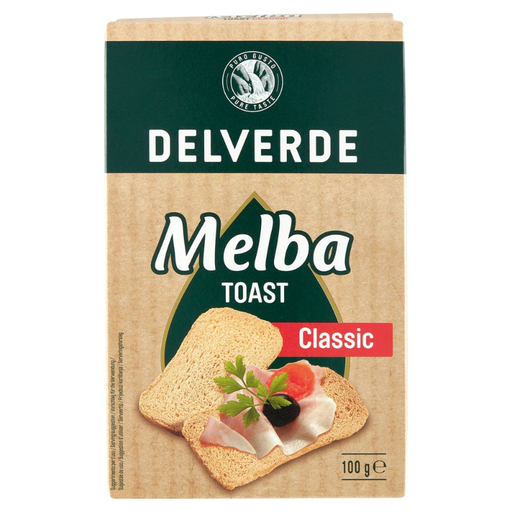 No image available
An option to consider if you’re looking for crisp melba toast to top, rather than medium-sliced bread.
The pack contains 100 g. If you have allergies, check the latest ingredients and allergen information on the pack.
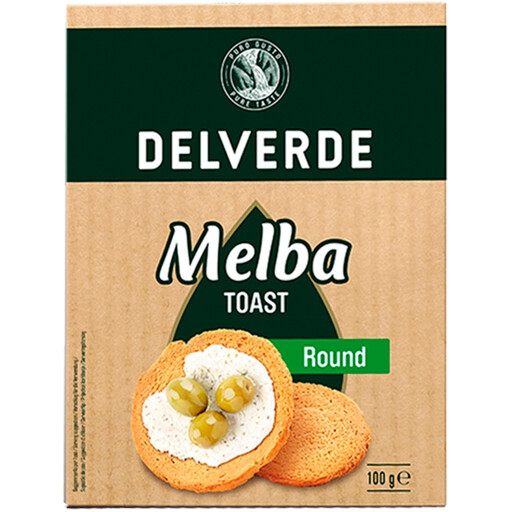 No image available
The round melba toast is a good fit if you’re looking for small toasts to top; its shape is different from a medium-sliced piece of bread.
The pack contains 100 g. If ingredients and allergens affect your choice, check the latest label.
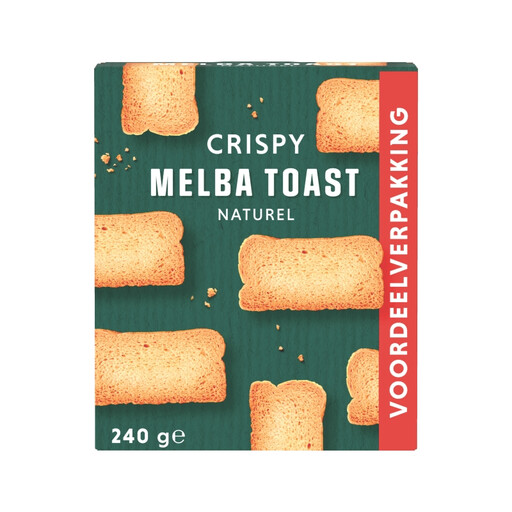 No image available
This melba toast is worth considering if you’re looking for a 240 g pack of toast to top, rather than a replacement for medium-sliced bread.
The ingredient list names wheat, barley and soya, but this conflicts with the allergen information. If you have allergies, don’t rely on that information alone: check the latest packaging before buying.
No. Melba toast consists of small, crisp toasts for toppings or snacks, and isn’t shaped like ordinary medium-sliced bread. If you’re looking for bread for everyday use, check the packaging to see what type of product you’re buying.
No, you can’t tell from the product category alone. According to the Voedingscentrum, using baker’s salt when baking bread isn’t compulsory; check the label to see whether it has been used.
According to the Dutch Food and Consumer Product Safety Authority, allergen information should appear on the label of pre-packed toast. Read the packaging you buy, even if you’ve previously checked online information about the same variety.
Follow the storage instructions on the packaging. For AH Melba toast naturel, Albert Heijn advises storing the toasts in a sealed tin after opening.