If you like to vary your toppings for a working-from-home lunch, plain Melba toast makes a sensible base. Compare the nutritional information for wholemeal and multigrain varieties if fibre matters to you. Choose organic sesame toast if provenance and sesame flavour are your priorities, or a tomato and herb cracker if you want the base itself to add flavour. For every variety, check the current label for allergens and salt, including the type of salt used if that’s relevant to your choice.
Which toast is right for you?
Lunch makers who like to vary their toppings
A crisp, fairly neutral base lets the flavour of savoury or sweet toppings take centre stage. Van der Meulen Holland describes its wholemeal Melba toast as thin and crisp; for this particular variety, Jumbo lists 9.7 g of fibre and 15 g of protein per 100 g.
Shoppers who want flavour in the cracker itself
If you don’t want to add much to your toppings during a short work break, a flavoured cracker could be a good fit. Bolletje describes its Ciabatta Crackers Tomato & Herbs as crackers made with tomato, herbs and extra virgin olive oil, packed in pairs.
Shoppers who want to compare labels
If you’re choosing based on ingredients, allergens or salt, the packaging is more useful than the word ‘toast’. The varieties we looked at list different allergens. Don’t assume a product contains iodised salt just because it’s labelled ‘organic’ or ‘bakery’ either: check the ingredients list if that’s relevant to your choice.
What should you look for when choosing?
First decide whether the toast should mainly hold your toppings or add flavour itself. Then compare the packaging and nutritional information for varieties suited to how you plan to use it.
| What to consider |
What to check when buying |
Who it matters to |
| Base for toppings |
Check whether ‘wholemeal’ appears in the product name and ingredients list. Compare fibre and protein per 100 g; multigrain doesn’t automatically mean wholemeal. |
If I often switch between savoury and sweet toppings, I want a fairly neutral base and nutritional information I can compare. For around 40% of consumers considering toast for a working-from-home lunch, a base that works with toppings comes first. |
| Flavour of the base |
Check the ingredients and flavour variety. For a tomato and herb cracker, also check the salt and allergen information on the label. |
Between work calls, I want a lunch where the cracker itself adds flavour, even with simple toppings. For around 30% of consumers, flavour is the top priority. |
| Packaging and how much you need |
Compare the pack sizes and check the packaging for storage instructions after opening. |
When I regularly have lunch at home, I want to choose a pack that suits how much I use, so the toast doesn’t sit around unnecessarily long after opening. That’s the main consideration for around 30% of consumers. |
Common mistakes
-
Assuming a premium look means a particular nutritional profile
Organic sesame toast, wholemeal Melba toast and tomato and herb crackers differ in their ingredients and how you might use them. A product’s presentation won’t tell you how much fibre, protein or salt it contains.
First choose between a neutral base for toppings and a cracker with its own flavour. Then compare the nutritional information for the specific varieties on the same basis, such as per 100 g.
-
Confusing multigrain with wholemeal
A mix of grains and seeds isn’t the same as a product labelled wholemeal. Van der Meulen Holland says its Melba Toast Wholemeal is made from 100% wholemeal bread.
Look for ‘wholemeal’ in the product name and check the ingredients. Use the nutrition table if you want to compare the fibre content of two varieties.
-
Assuming all toast contains iodised salt
The Dutch 2008 agreement on baker’s salt says that the use of iodised salt in bread and bread substitutes is encouraged. It doesn’t tell you which salt is used in a particular variety of toast.
Check the ingredients list on the packaging or ask the manufacturer which salt is used if that information matters to your purchase.
Brands to consider
Van der Meulen
Van der Meulen Holland makes Melba toast in plain, wholemeal, multigrain and sesame varieties, among others. This gives you a choice of flavours and ingredients within one product range.
- For Melba Toast Wholemeal, Jumbo lists 9.7 g of fibre and 15 g of protein per 100 g.
- Check the ingredients and allergens for each variety; wholemeal and multigrain don’t automatically have the same ingredients.
Bolletje
Ciabatta Crackers Tomato & Herbs are an option if you want the cracker itself to add flavour to your lunch.
- Bolletje says these crackers contain tomato, herbs and extra virgin olive oil, and are packed in pairs.
- The tomato and herb flavour is less neutral if you like to vary your toppings. Check the current allergen information on the packaging.
Albert Heijn
AH Organic Melba toast with sesame seeds is worth considering if you’re specifically looking for an organic sesame variety.
- Albert Heijn lists 7% sesame seeds and the EU organic logo for this variety.
- The product information lists wheat, sesame, soya and barley as allergens; check the current label before buying.
Jumbo
Jumbo stocks Van der Meulen Melba Wholemeal Toast in a 120 g pack, among other products, with nutritional information for anyone looking to compare wholemeal varieties.
- The product listing gives nutritional values per 100 g, including fibre, protein and salt.
- Check the exact product name and packaging: information for the wholemeal variety doesn’t automatically apply to other Melba toast.
ALDI / Sun Snacks
ALDI lists Sun Snacks Plain Melba Toast in a 240 g pack. It’s a plain variety you can compare with other pack sizes.
- The listed pack size makes it easy to compare pack quantities.
- Check the packaging before comparing this variety with another for ingredients, allergens or nutritional values.
Lidl
Lidl lists Melba toast in a 240 g pack as a store product, for anyone looking for a larger pack as a base for toppings.
- The listed pack size is 240 g.
- Check the label in store for ingredients, allergens and nutritional information before making a nutritional comparison.
Toast-related products on Joybuy
These crackers suit two different lunch ideas: sesame crackers as a possible base for toppings, and multigrain triangles as a snack alongside lunch. They aren’t a direct replacement for the Melba toast varieties discussed above.
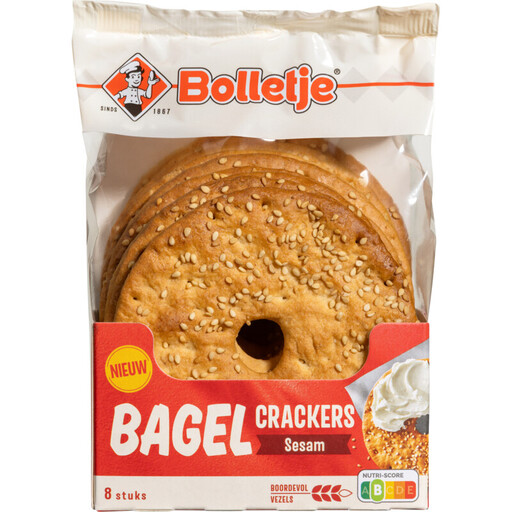 Image unavailable
Bolletje Sesame Bagel Crackers, 225 g
A sesame cracker to consider if you want to add toppings to your cracker for a working-from-home lunch and like sesame flavour.
The pack contains 225 g. Compare the nutritional information and, if you have allergies, check the current label before choosing this variety.
View on Joybuy
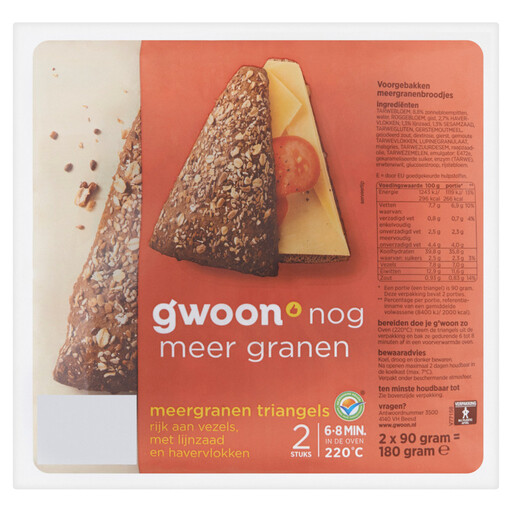 Image unavailable
g'woon Multigrain Triangles, 180 g
A multigrain snack for a short lunch break, but not necessarily a base for toppings.
The pack contains 180 g. If you specifically want to add toppings to the triangles, check that their shape and intended use are suitable. Also check the current label for ingredients and allergens.
View on Joybuy
Frequently asked questions
Is wholemeal Melba toast a complete lunch on its own?
Consider the toast and toppings together rather than treating the toast as a complete lunch. Van der Meulen Holland describes Melba toast as a base for toppings or spreads; what you put on it is also part of your lunch.
Which allergens should I check in Melba toast?
It varies by product. The wholemeal variety discussed lists wheat, barley, rye, sesame and soya, among other ingredients; Albert Heijn lists wheat, barley, sesame and soya for its organic sesame toast. Always read the current label for the variety you’re buying.
How should I store Melba toast after opening?
Store Melba toast in a dry place and follow the instructions on the packaging. Albert Heijn recommends keeping its organic sesame toast in a sealed tin after opening.
Does Dutch toast always contain iodised baker’s salt?
No, you can’t assume that for every type of toast. The 2008 Dutch agreement encourages the use of iodised salt in bread and bread substitutes, but it doesn’t confirm the ingredients of an individual product. Read the ingredients list or ask the manufacturer which salt was used in that toast.


